Jane's Journey
2011
No user ratings available yet
Representation score: 5.5 out of 10
Representation Score
Fair
2018
Director
Alison Reid
Runtime
81 minutes
Average Rating
No ratings yetNew Showbiz Analysis
The film serves as a powerful biographical study of Dr. Anne Innis Dagg, emphasizing female intellectual ability to act and the struggle against gendered professional barriers. It successfully disrupts traditional scientific hierarchies by centering a woman's reclaimed career. However, the documentary's engagement with LGBTQ+, racial, and ethnic diversity is not explicitly established. While the South African setting offers potential for discussing broader social issues, the narrative remains focused on the individual protagonist's experience. Ultimately, the work excels in portraying individual ability to act against institutional friction, though it lacks breadth in broader social identity representation.
Category Breakdown
The film does not include any explicit LGBTQ+ characters or stories that challenge the assumption that everyone is straight or cisgender. The focus is entirely on the protagonist's scientific and personal journey.
The documentary highlights a woman's groundbreaking scientific journey, showcasing her resilience against systemic barriers in science and technology. It emphasizes her significant role in driving the story forward.
The narrative follows a journey through South Africa, but the primary focus is on Dr. Dagg's biography. It is unclear how much representation there is of local South Africans in the film.
The film engages with systemic critiques of institutional power dynamics, exploring the contrast between past and present environmental and social shifts. However, it primarily focuses on the individual protagonist's experiences.
There is no evidence of characters or subjects with visible or invisible disabilities within the film's context.
Present on Screen
Limited or Absent
Official Synopsis
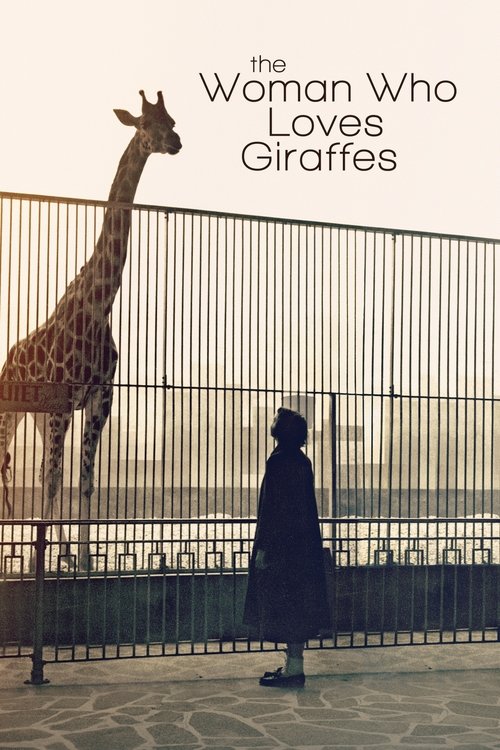
Dr. Anne Innis Dagg re-traces the steps of her groundbreaking 1956 journey to South Africa to study giraffes in the wild. Now, at 85 years old, Anne sees a startling contrast between the world of giraffes she once knew and the one it has become. Weaving through the past and present, her harrowing journey gives us an intimate look into the factors that destroyed her career and the forces that brought her back.
2011
2021

2016
2017
2020
2016
2022
2016
No reviews yet. Be the first to share your thoughts on this movie!
Use the rating form above to leave a star rating and optional review.