You are here:

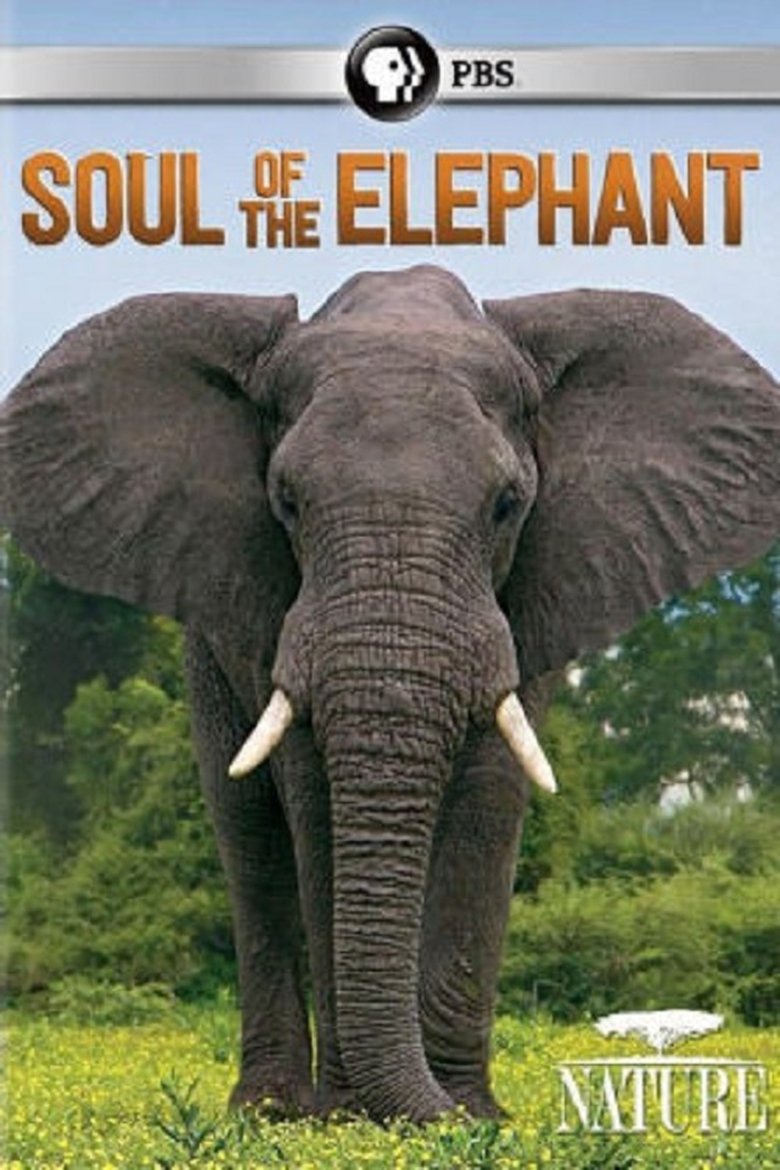
Soul of the Elephant

Soul of the Elephant

Representation Score

5.2/10

Fair

2015

TV-PG

Director

Beverly Joubert, Dereck Joubert

Runtime

53 minutes

Average Rating

No ratings yet

New Showbiz Analysis

Soul of the Elephant is a natural history documentary that prioritizes ecological ethics over human-centric identity politics. Its strength lies in challenging anthropocentric worldviews by highlighting the intrinsic rights of non-human entities. The film serves as a critique of global capitalism and consumerist culture, focusing on the illegal ivory trade and the tension between global economic greed and local environmental survival. Because the subject matter is strictly wildlife-focused, the film does not address human-centric categories like LGBTQ+ or disability representation, limiting its scope to philosophical challenges to traditional human hierarchies.

Watch this, not that →

Category Breakdown

Does Soul of the Elephant have LGBTQ+ representation?

Fair

The documentary focuses on biological and ecological realities without engaging with queer identities or human-centric social stories.

How does Soul of the Elephant portray gender?

Fair

The film highlights elephant social structures led by matriarchs, which challenges traditional views of male dominance. Human gender roles are not addressed.

How racially and ethnically diverse is Soul of the Elephant?

Fair

The film critiques the illegal ivory trade and global capitalist systems. It emphasizes the connection between local survival and the impact of Western demand on ecosystems.

How does Soul of the Elephant represent religion and culture?

Good

The film presents a progressive environmental perspective, viewing natural death as a symbol of paradise. It contrasts the preservation of life with industrial-era greed.

Does Soul of the Elephant include disability representation?

Minimal

The film centers on wildlife conservation. There is no depiction of human neurodivergence or physical disabilities.

Present on Screen

  • Challenges human-centric worldviews by emphasizing the intrinsic value of non-human life.
  • Provides a critique of global capitalism and the destructive nature of consumerist greed.
  • Disrupts traditional leadership stereotypes through the portrayal of matriarchal elephant social structures.

Limited or Absent

  • Lacks human-centric narratives to address LGBTQ+ or specific gender identity themes.
  • Does not provide representation for human neurodivergence or physical disabilities.
  • Human racial and ethnic diversity is not explicitly detailed within the ecological focus.

Official Synopsis

As the largest living terrestrial mammals, elephants are usually considered as survivors under even the most dire climatic conditions. But all too often, these majestic giants are killed illegally for their ivory tusks. So, every dead full-grown elephant, whose carcass or skeleton is found with the tusks still in it, is a symbol of paradise – an elephant allowed to die of natural causes instead of bullets, snares or poison.

How are these scores produced? →

Where to Watch

Rate this Movie

No rating selected
Use arrow keys to select a rating from 1 to 5 stars
Optional text review, maximum 2000 characters
Tip: Wrap spoilers with ||double pipes|| to hide them
0/2000 characters
You must be signed in to submit a rating

Reviews

No reviews yet. Be the first to share your thoughts on this movie!

Use the rating form above to leave a star rating and optional review.