Elementary
2017
No user ratings available yet
Representation score: 6.5 out of 10
Representation Score
Good
2007
Director
Vincenzo Giammanco
Runtime
30 minutes
Average Rating
No ratings yetNew Showbiz Analysis
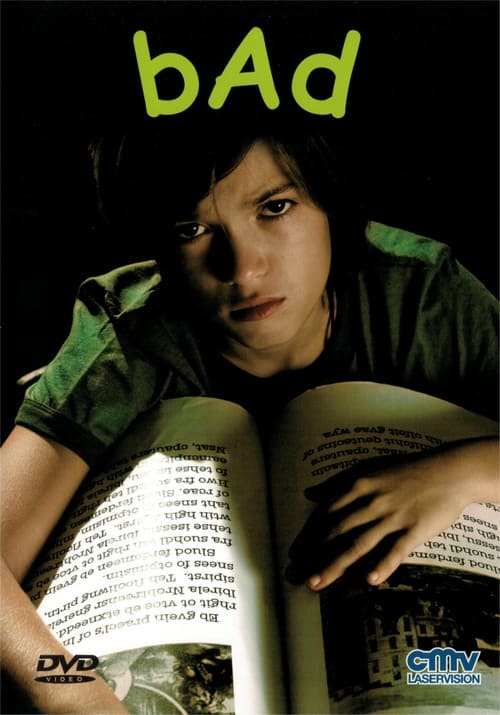
The film's primary strength lies in its commitment to neurodivergent storytelling. By centering the narrative on a dyslexic child, it provides a rare look at a non-normative cognitive experience within a 1970s framework. However, the film's diversity profile is limited by a lack of information regarding intersectionality. Without clear evidence of racial, gender, or LGBTQ+ representation, the scope of its social commentary remains narrow. Ultimately, the work succeeds as a character study of disability but lacks the breadth to address broader systemic social identities.
Category Breakdown
The film does not include any explicit references to LGBTQ+ identities or narratives. Despite the 1970s setting, which could have supported non-conformity, there are no visible LGBTQ+ characters.
The story focuses on a child's struggle with dyslexia. It is unclear whether the film challenges traditional gender roles or follows the gender norms of the 1970s.
The film does not specify the racial makeup of the cast and setting. There is no documented evidence of racial tension or the presence of a non-Anglo-Saxon majority.
The story critiques the rigidity of institutional standards by focusing on a child's struggles within the 1970s school system. This suggests a critique of systemic rigidity and standardized meritocracy.
The film centers on a neurodivergent perspective, giving the dyslexic protagonist a significant role in driving the story. It prioritizes the internal cognitive experiences of the protagonist over conventional depictions of normative intelligence.
Present on Screen
Limited or Absent
Official Synopsis
This film puts you inside the head of a dyslexic child trying to get through the 5th grade in the 1970's.
2017

1999
1995
1997
2010

2008
2005

2014
No reviews yet. Be the first to share your thoughts on this movie!
Use the rating form above to leave a star rating and optional review.