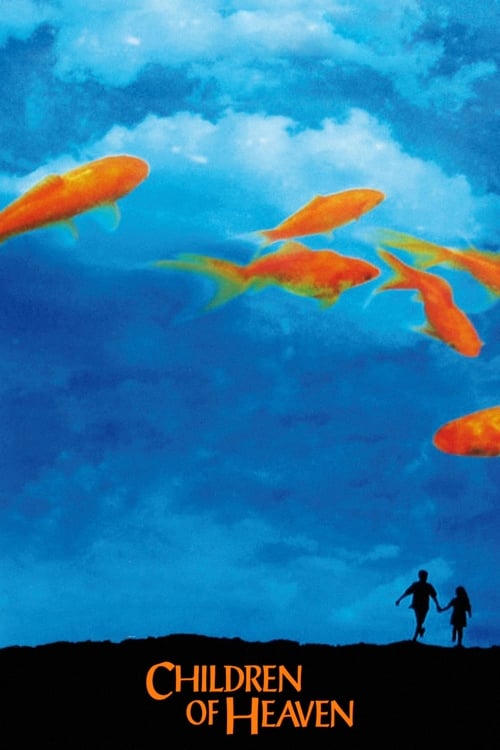
Children of Heaven
1997
No user ratings available yet
Representation score: 3.7 out of 10
Representation Score
Fair
1983
PGDirector
Euzhan Palcy
Runtime
103 minutes
Average Rating
No ratings yetNew Showbiz Analysis
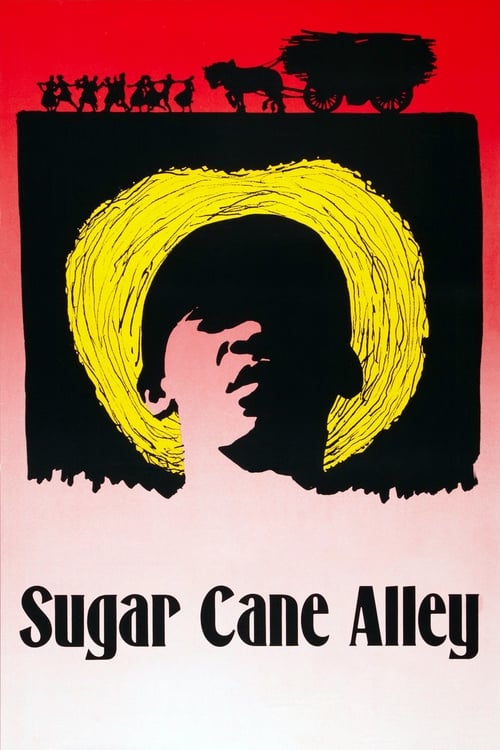
Sugar Cane Alley is a vital work of post-colonial cinema that centers Afro-Caribbean identity. By reclaiming historical perspectives through a localized lens, Euzhan Palcy disrupts Eurocentric traditions and provides a sophisticated deconstruction of Western institutional dominance. The film excels in racial and cultural representation, using the historical context of sugar cane plantations to explore dignity and resistance. It avoids common colonial-era clichés, ensuring the community maintains full ability to act throughout the struggle for literacy and advancement. While the score is tempered by the absence of LGBTQ+ and disability-specific narratives, the film's impact is bolstered by its masterful execution of multi-layered themes.
Category Breakdown
The film does not include any LGBTQ+ characters or narratives. The story focuses solely on the socio-economic and colonial struggles of the central family unit.
Matriarchal figures provide stability and wisdom amidst poverty. The grandmother acts as a cornerstone of resilience, subverting passive female roles within a male-dominated plantation economy.
The film centers an entirely Black cast, portraying the Martinican experience from an internal perspective. It avoids white savior clichés, granting full ability to act to the Afro-Caribbean community.
The narrative critiques extractive capitalism and the colonial plantation system. It frames education as a tool for communal liberation and resistance against systemic disenfranchisement.
No significant depictions of visible or invisible disabilities are central to the narrative arc.
Present on Screen
Limited or Absent
Official Synopsis
Martinique, in the early 1930s. Young José and his grandmother live in a small village. Nearly everyone works cutting cane and barely earning a living. The overseer can fine a worker for the smallest infraction. The way to advance is to do well in school. José studies hard and succeeds in an exam allowing him to attend school in the capital. With only a partial scholarship, the tuition is very costly. José and his grandmother move to Fort-de-France to make José's studies easier...
1997

1966
2008
1936
1997
2010

2016
1945
No reviews yet. Be the first to share your thoughts on this movie!
Use the rating form above to leave a star rating and optional review.