
Alan & Naomi
1992
No user ratings available yet
Representation score: 3.0 out of 10
Representation Score
Limited
1987
PGDirector
Rick Rosenthal
Runtime
99 minutes
Average Rating
No ratings yetNew Showbiz Analysis
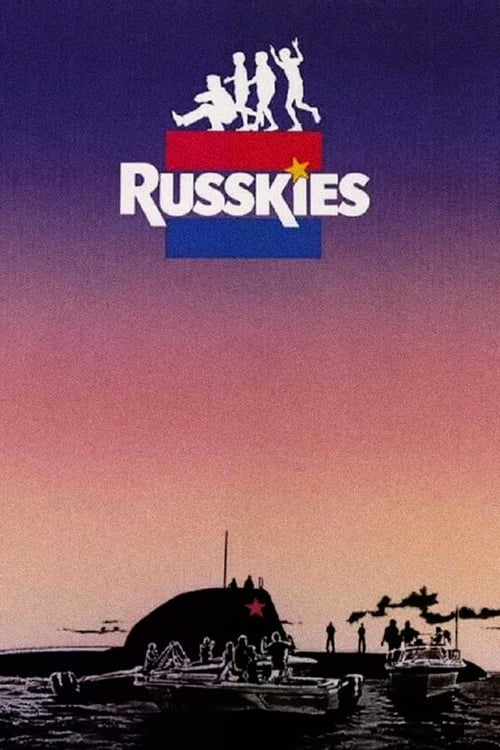
Russkies serves as a critique of Cold War-era geopolitical divisions. By focusing on children who prioritize human connections over government mandates, the film challenges the traditional 'us vs. them' paradigm. Though the film lacks broad demographic representation, especially regarding gender and LGBTQ+ identities, it excels in its humanistic approach to cultural diversity. The Russian sailor acts as a bridge to challenge monolithic views of enemies. Ultimately, the film's strength lies in its disruption of social hierarchies and its promotion of personal morality over institutional suspicion.
Category Breakdown
The film does not include any LGBTQ+ characters or narratives. It focuses on the friendships between adolescent boys and a foreign sailor.
The story centers on male characters, driven by adolescent boys and an adult sailor. Female characters are peripheral and lack significant development or challenges to traditional gender roles.
The film features a Russian sailor in an American setting, disrupting the homogeneous environment and challenging the 'otherness' of foreigners.
The narrative criticizes Western institutions and patriotic dogma, emphasizing individual empathy over suspicion. It portrays the outsider as a person rather than a threat.
There are no significant depictions of visible or invisible disabilities that play a central role in the narrative.
Present on Screen
Limited or Absent
Official Synopsis
A group of American boys discovers a Russian sailor washed up on the coast of Florida and decide to befriend him, assuming that he is friendly and will bring them no danger and thus go against the ideas of their parents, as well as the government.
1992

1946
1999
1961
1995

2018

1985
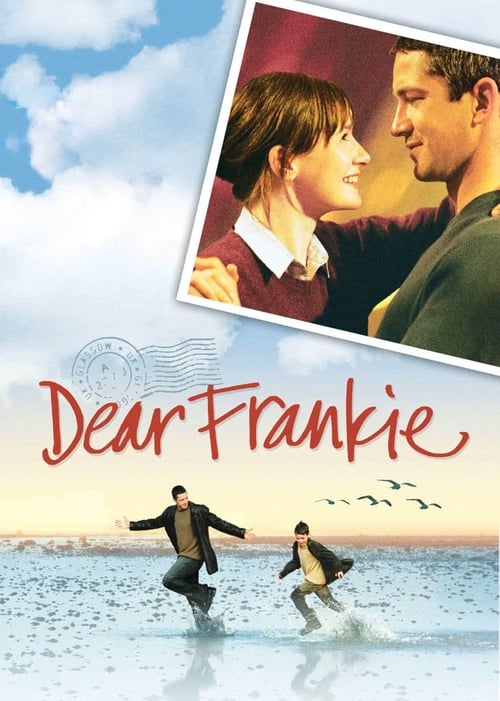
2004
No reviews yet. Be the first to share your thoughts on this movie!
Use the rating form above to leave a star rating and optional review.