
Cradle Song
1994
No user ratings available yet
Representation score: 3.6 out of 10

Representation Score
Limited
1941
Director
Gregorio Martínez Sierra
Runtime
86 minutes
Average Rating
No ratings yetNew Showbiz Analysis
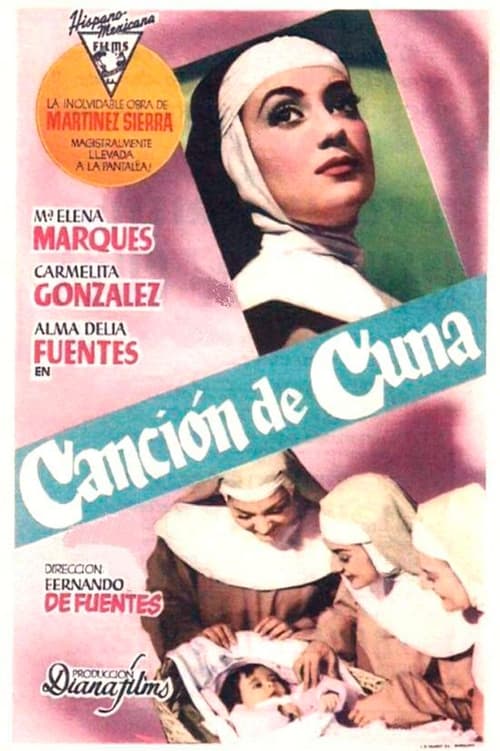
Canción de Cuna is a product of its historical and cultural context, prioritizing established social and religious structures. While the film provides character studies, they exist within a conventional moral framework that does not challenge systemic norms. The narrative structure relies on traditional archetypes. While women are the primary drivers of the story, their roles are defined by religious devotion and communal caretaking rather than social subversion. Ultimately, the film reflects the homogeneity of 1940s Spain. It offers a focused look at a specific cultural moment without attempting to deconstruct identity politics or represent diverse global perspectives.
Category Breakdown
The film does not include any LGBTQ+ characters or stories that challenge the assumption that everyone is straight or cisgender. It follows the traditional gender roles and social norms typical of a 1941 drama.
Women play central, active roles as nuns who drive the plot. However, these characters operate within traditional archetypes of caretaking and spiritual devotion rather than challenging gender hierarchies.
The production reflects the demographic norms of early 20th-century Spain. The cast appears ethnically homogeneous, with no evidence of diverse ethnic identities or race-bent casting.
The story is deeply rooted in Catholic traditions and singular Christian morality. It emphasizes religious providence and communal responsibility within a Western institutional framework.
There is no specific evidence regarding the portrayal of physical disabilities or neurodivergence. The narrative focus remains on the abandoned infant and the religious community.
Present on Screen
Limited or Absent
Official Synopsis
Gregorio Martinez Sierra's classic play about nuns finding an abandoned baby girl, in a version directed by the author.
1994
1955
1953
1976
1966
1957
1959
1999
No reviews yet. Be the first to share your thoughts on this movie!
Use the rating form above to leave a star rating and optional review.