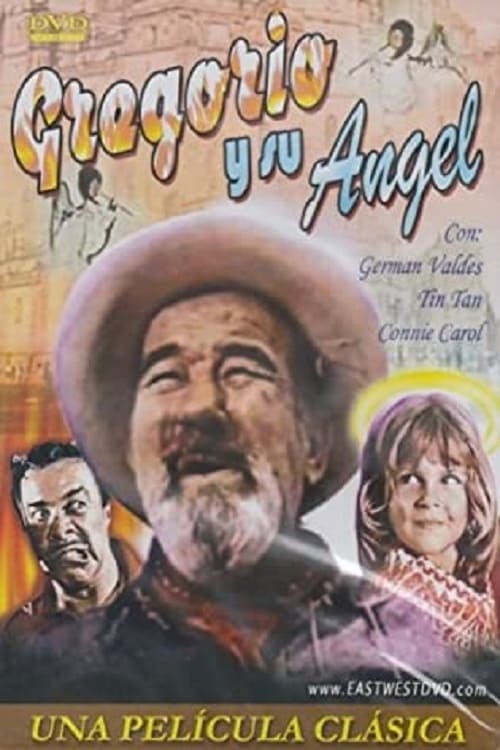
Gregorio y su angel
1970
No user ratings available yet
Representation score: 5.2 out of 10
Representation Score
Minimal
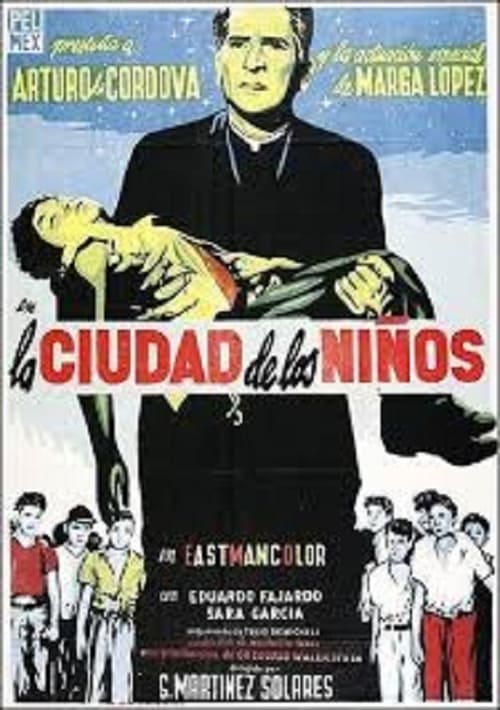
1957
Director
Gilberto Martínez Solares
Runtime
115 minutes
Average Rating
No ratings yetNew Showbiz Analysis
La ciudad de los niños is a conventional mid-century drama that adheres strictly to the social and religious norms of its era. The narrative follows a traditional trajectory of institutional benevolence, centered on a priest's vocation to establish an orphanage. The film reinforces established social structures rather than challenging them. It prioritizes religious stewardship and traditional masculine leadership, offering a narrow view of social welfare through a period-specific lens.
Category Breakdown
The film does not include any characters with LGBTQ+ identities. The story focuses on a priest's calling, aligning with traditional religious values.
The plot centers around a male protagonist who drives the narrative through his spiritual leadership. This emphasis on masculine roles does not challenge traditional gender hierarchies.
As a Mexican production from 1957, the film reflects the region's demographics. However, there is no indication of intentional diverse casting to disrupt historical norms.
The film reinforces traditional Western and religious values through organized charity work. It emphasizes institutional benevolence without critiquing social structures.
There is no information available regarding the presence or portrayal of characters with disabilities.
Present on Screen
Limited or Absent
Official Synopsis
Priest feels a calling to open an orphanage.
1970
1955
1951

2012

1994
2002

1941
1967
No reviews yet. Be the first to share your thoughts on this movie!
Use the rating form above to leave a star rating and optional review.