
Cradle Song
1994
No user ratings available yet
Representation score: 3.6 out of 10
Representation Score
Fair
1966
Director
Julián Soler
Runtime
100 minutes
Average Rating
No ratings yetNew Showbiz Analysis
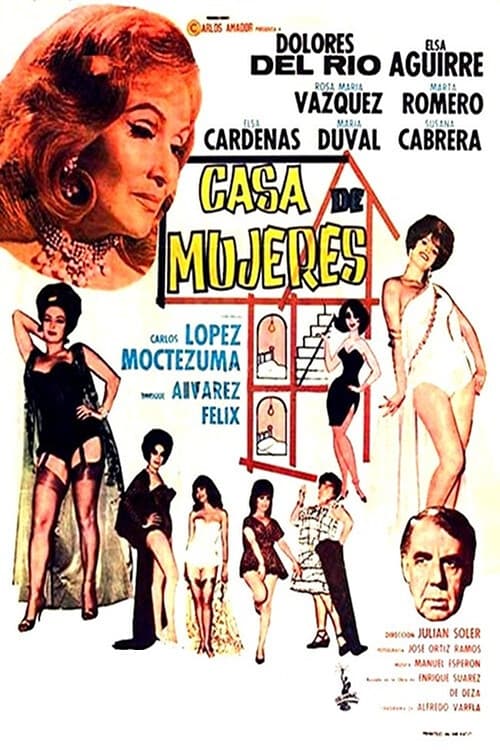
House of Women is a humanistic melodrama focused on a underrepresented social group. By centering on sex workers adopting an abandoned infant, the film explores maternal instincts and unconventional family structures outside traditional domestic models. While the film emphasizes significant women's ability to drive the story, it remains tied to the dramatic clichés of its time. It lacks the layered approach or systemic critique needed to challenge the social hierarchies of the 1960s. Ultimately, the film is a character study of women operating on the fringes of society, prioritizing emotional resonance over a deeper social critique.
Category Breakdown
The film centers on a community of women and does not include any characters with non-cisgender identities or same-sex romantic relationships.
Women play key roles in the story, using their collective care for a child to exercise ability to act. This replaces the traditional nuclear family structure with a communal female setup.
The production likely reflects the demographics of the 1960s. There is no specific evidence of diverse casting or non-homogeneous social representation.
The story examines a 'found family' within a underrepresented profession, offering moral complexity around parenthood but lacking a direct critique of systemic issues.
There are no characters with physical or neurodivergent disabilities in the narrative.
Present on Screen
Limited or Absent
Official Synopsis
The women of a brothel adopt a foundling baby.
1994

1956
1968
1961

1941
1969
1979

1980
No reviews yet. Be the first to share your thoughts on this movie!
Use the rating form above to leave a star rating and optional review.