
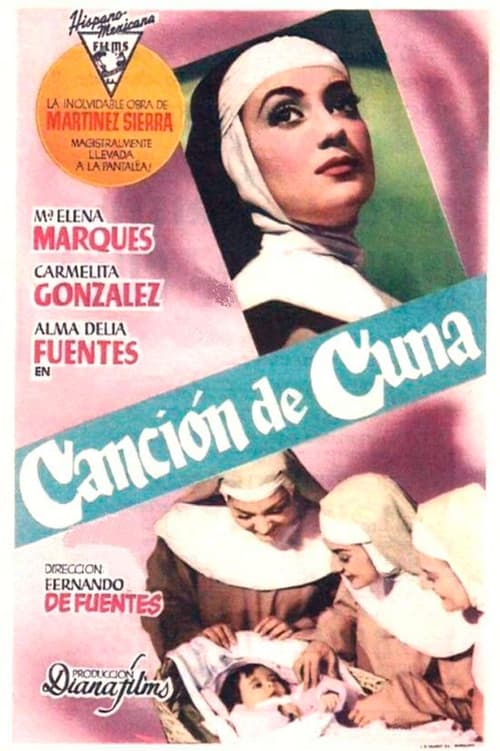
Cradle Song
1994
No user ratings available yet
Representation score: 3.6 out of 10
Representation Score
Minimal
1953
Director
Fernando de Fuentes
Runtime
102 minutes
Average Rating
No ratings yetNew Showbiz Analysis
Lullaby is a period-typical drama that reflects the social and institutional constraints of 1953. The story centers on religious devotion and conventional maternal archetypes within a convent setting. The film functions as a traditionalist narrative rather than a work designed to challenge social hierarchies. It leans heavily into established religious and gendered structures common to mid-century Mexican cinema. While the female-led setting offers some empowerment, the overarching themes prioritize sanctity and traditional virtue over systemic subversion or diverse representation.
Category Breakdown
The film focuses on a convent setting, which traditionally aligns with celibate or heterosexual structures. There is no indication of LGBTQ+ identities or critiques of the assumption that everyone is straight or cisgender.
The female-centric convent provides space for female empowerment, but the narrative reinforces traditional archetypes of piety and sacrifice. The characters' roles likely adhere to established notions of feminine virtue.
The production likely reflects the demographic reality of 1953 Mexico. However, the film appears to follow the homogeneous casting patterns typical of the studio system of that era.
Centered on a religious institution, the story upholds traditional Christian morality and themes of charity. It reinforces the sanctity of the family unit through a religious lens.
The narrative provides no evidence of characters with visible or invisible disabilities.
Present on Screen
Limited or Absent
Official Synopsis
A group of nuns raise an abandoned baby as their own inside a convent.
1994
1955
1992

1941
1943
1930
1971
1957
No reviews yet. Be the first to share your thoughts on this movie!
Use the rating form above to leave a star rating and optional review.