Leonard Bernstein Mass
2020
No user ratings available yet
Representation score: 6.1 out of 10
Representation Score
Fair
2003
Director
Simon Cellan Jones
Runtime
89 minutes
Average Rating
No ratings yetNew Showbiz Analysis
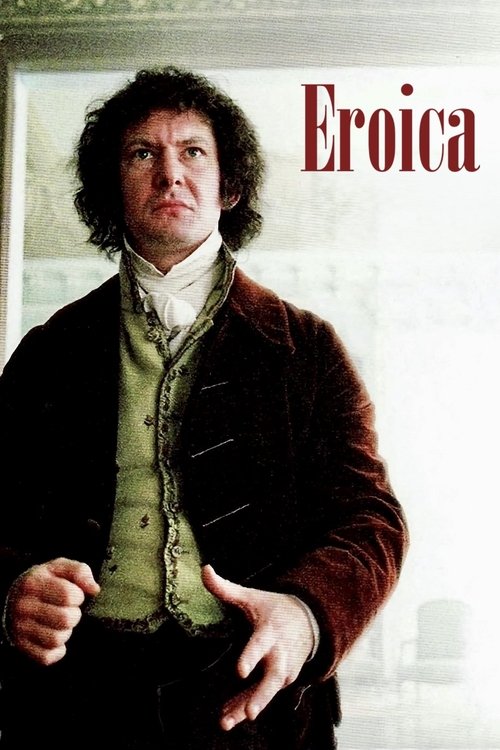
Eroica is a traditional biographical drama that prioritizes historical authenticity over contemporary demographic disruption. The film reconstructs a specific moment in Western classical history, which inherently limits the scope for characters who reflect more than one aspect of diversity. The narrative structure mirrors the social hierarchies of the early 19th century. While this limits diversity in terms of race and gender, it allows for a deep, period-specific exploration of disability through its protagonist.
Category Breakdown
The film focuses on the social tensions of the 1804 Viennese aristocracy. It lacks explicit depictions of non-straight relationships or queer intimacy, reflecting the era's social constraints.
The narrative centers on a male-dominated musical and aristocratic hierarchy. While Countess Brunsvik is a significant figure, the primary intellectual and creative roles remain concentrated in male characters.
Set in 1804 Vienna, the film depicts a historically homogeneous European environment. The cast reflects the lack of racial diversity within the upper echelons of Austrian society at the time.
The story celebrates the heights of the Western classical canon. It functions as an appreciation of European musical achievement rather than a critique of Western institutions.
Beethoven’s encroaching deafness is a central narrative element. The film provides a nuanced look at how sensory disability impacts a creator’s professional and psychological life.
Present on Screen
Limited or Absent
Official Synopsis
British filmmaker Simon Cellan Jones directs the BBC drama Eroica, starring Ian Hart as Ludwig van Beethoven. Shot on digital video, this TV film depicts the first performance of Beethoven's Third Symphony, June 9th, 1804, in Vienna, Austria. Prince Lobkowitz (Jack Davenport) has invited friends to listen to Beethoven conduct his new symphony for the first time. Among the aristocratic attendees are Count Dietrichstein (Tim Pigott-Smith), Countess Brunsvik (Claire Skinner), and composer Josef Haydn (Frank Finlay). The actual musical score is performed by the Orchestre Revolutionaire et Romantique, under the direction of John Eliot Gardiner.
2020
1998
1981
1994
2017
2006

1996
2009
No reviews yet. Be the first to share your thoughts on this movie!
Use the rating form above to leave a star rating and optional review.