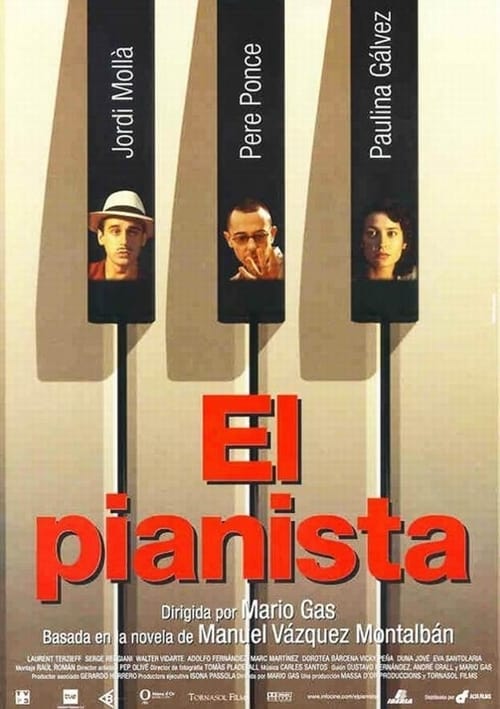
The Pianist
1998
No user ratings available yet
Representation score: 6.1 out of 10
Representation Score
Good
2017
Director
Manuel Huerga
Runtime
97 minutes
Average Rating
No ratings yetNew Showbiz Analysis
The film effectively portrays the unique experiences of Catalans living in exile, focusing on the complexities of cultural identity in the face of political displacement. However, the narrative primarily centers on male-driven conflicts and intellectual debates. While it challenges some traditional masculine stereotypes, the gendered perspective remains somewhat limited. Overall, the film offers a sophisticated exploration of personal ability to act, using the life of a musician to examine the relationship between individuals and the state.
Category Breakdown
The film explores deep friendships and emotional connections between men during a time of great change. While it doesn't confirm non-traditional romantic relationships, it allows for complex interpersonal dynamics.
The story focuses on a male protagonist whose strength comes from his moral stance rather than physical prowess. It challenges the idea of the male artist as a tough, dominant figure by showing him as someone who resists oppression.
The narrative delves into the experiences of Catalans living in exile, providing a detailed look at the complexities of their cultural identity. It avoids simplistic portrayals by highlighting the struggles of displaced communities under political pressure.
The film criticizes authoritarian regimes by depicting the Spanish dictatorship as a corrupting influence. It highlights how music can serve as a tool for freedom and resistance against oppressive systems.
There is no indication of the portrayal of physical or cognitive disabilities in the film.
Present on Screen
Limited or Absent
Official Synopsis
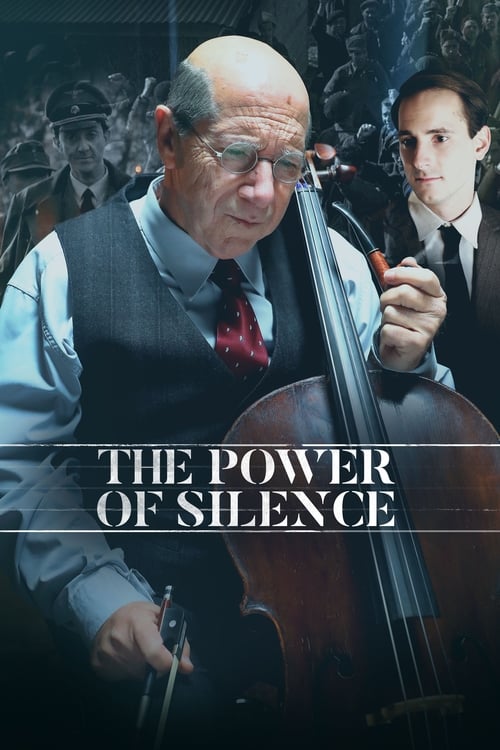
Prades, France, 1940s. The exiled Catalan cellist Pau Casals decides not to perform any more in public until the fall of the dictatorship that oppresses Spain. Pierre, a young Frenchman studying with Casals, tries to convince him to celebrate an extraordinary concert as a tribute to freedom.
1998
1991

2017
1956
1954
1977
2025
1998
No reviews yet. Be the first to share your thoughts on this movie!
Use the rating form above to leave a star rating and optional review.