Havana Kyrie
2019
No user ratings available yet
Representation score: 4.7 out of 10
Representation Score
Good
2009
PG-13Director
Radu Mihăileanu
Runtime
119 minutes
Average Rating
No ratings yetNew Showbiz Analysis
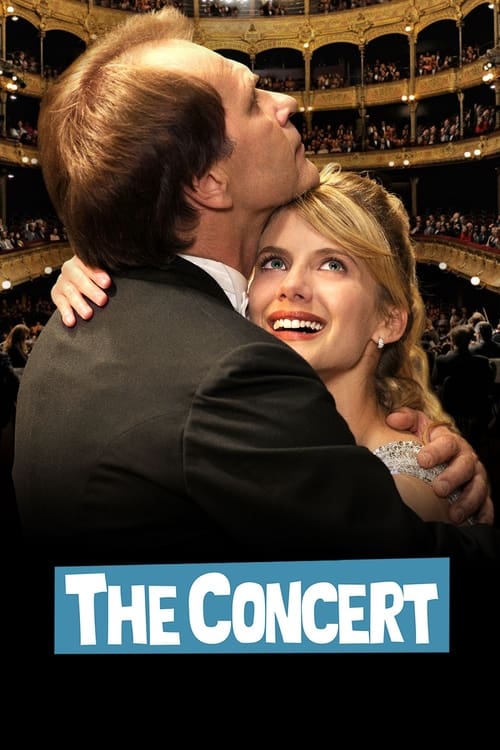
The Concert is a poignant study of resilience against systemic oppression. It finds its strength in the reclamation of identity for Jewish musicians who were once purged by political authorities. The film uses historical trauma to drive a narrative about individual ability to act versus state-mandated conformity. However, the film's scope is narrow regarding modern social diversity. The professional world depicted is heavily male-centric, and there is a complete absence of LGBTQ+ representation or neurodivergent perspectives. Ultimately, the film succeeds as a historical drama that challenges institutional authority, even if it remains limited in its portrayal of gender and sexual orientation.
Category Breakdown
The film does not include any LGBTQ+ characters or explore non-straight relationships. The story focuses solely on professional and historical connections between musicians.
The story centers around a male-dominated professional environment. Although a female violinist plays a crucial role, the main influence comes from the male conductor and his male colleagues.
The film provides meaningful representation by highlighting Jewish musicians who faced exclusion during the Brezhnev era. It focuses on reclaiming dignity after being excluded and erased historically.
The narrative offers a sophisticated critique of totalitarianism and state-controlled institutions. It portrays the Communist regime as an oppressive force that demanded moral compromise from individuals.
The film depicts the psychological and physical toll of alcoholism among aging musicians. These struggles are shown as realistic consequences of living under a repressive regime.
Present on Screen
Limited or Absent
Official Synopsis
A former world-famous conductor of the Bolshoï orchestra, known as "The Maëstro", Andreï Filipov had seen his career publicly broken by Leonid Brezhnev for hiring Jewish musicians and now works cleaning the concert hall where he once directed. One day, he intercepts an official invitation from the prestigious Théâtre du Châtelet. Through a series of mad antics, he reunites his old orchestra, now composed of old alcoholic musicians, and flies to perform in Paris and complete the Tchaikovsky concerto interrupted 30 years earlier. For the concerto, he engages a young violin soloist with whom he has an unexpected connection.
2019
1996
2017
1986
2022
1979
2010
1998
No reviews yet. Be the first to share your thoughts on this movie!
Use the rating form above to leave a star rating and optional review.