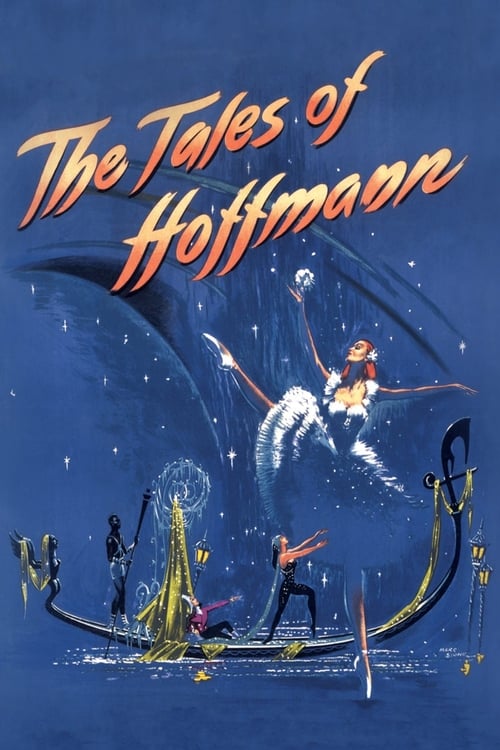
The Tales of Hoffmann
1951
No user ratings available yet
Representation score: 4.9 out of 10
Representation Score
Limited
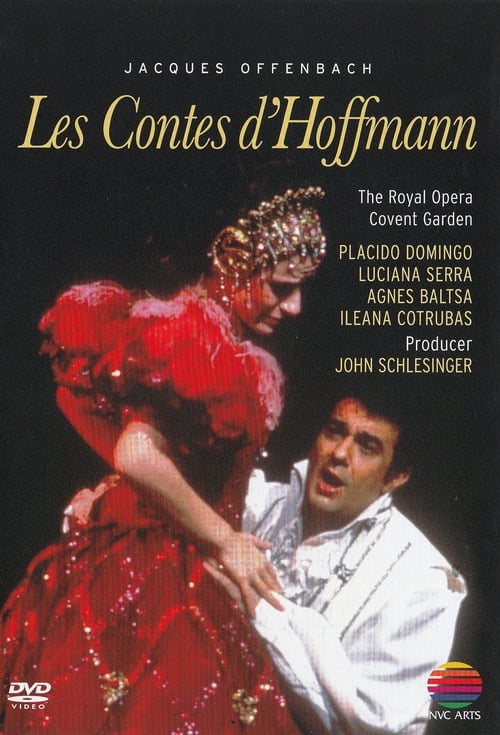
1981
Director
Brian Large, John Schlesinger
Runtime
150 minutes
Average Rating
No ratings yetNew Showbiz Analysis
This production is a traditional adaptation of a classic work, emphasizing historical aesthetic accuracy and established operatic archetypes. The narrative structure is rooted in 19th-century Romanticism, limiting modern social representation. The film highlights European cultural traditions and individual psychological turmoil rather than broader social critique.
Category Breakdown
The story centers on heterosexual relationships and does not include any same-sex intimacy or non-binary gender identities.
Female characters mainly serve as catalysts for the male protagonist's emotional journey and are portrayed as archetypes rather than independent individuals.
The cast is predominantly white and reflects the European operatic tradition, presenting a fantastical world with a Western perspective.
The film celebrates high-culture European art and focuses on individual psychological struggles without addressing broader sociopolitical issues.
The mechanical nature of Olympia serves a metaphorical purpose regarding humanity. This surrealist fantasy avoids disability clichés but fails to provide meaningful representation of actual disability.
Present on Screen
Limited or Absent
Official Synopsis
Seeking to exorcise the failure of his current love affair, the poet Hoffmann tells the tales of his three past loves - the doll-like Olympia, the high-class courtesan Giulietta, and the ambitious but delicate Antonia - and recalls how each was thwarted by the evil influence of his rival. In this production by the distinguished film director, John Schlesinger, with spectacular designs by Maria Bjornson and William Dudley, Offenbach's nightmare world is brought to life. The all-star cast is headed by Placido Domingo as Hoffmann: his three loves are Ileana Cotrubas, Anges Baltsa and Luciana Serra and the manifestations of his rival are sung by Geraint Evans, Robert Lloyd, Siegmund Nimsgern and Nicola Ghiuselev. The score, which includes such favourites as the "Barcarolle" and the "Doll's Song", is conducted by Georges Pretre.
1951
1943
2005
1975
1985
2001
2020
1979
No reviews yet. Be the first to share your thoughts on this movie!
Use the rating form above to leave a star rating and optional review.