Go Chase Yourself
1938
No user ratings available yet
Representation score: 1.2 out of 10
Representation Score
Minimal
1940
ApprovedDirector
Edward F. Cline
Runtime
72 minutes
Average Rating
No ratings yetNew Showbiz Analysis
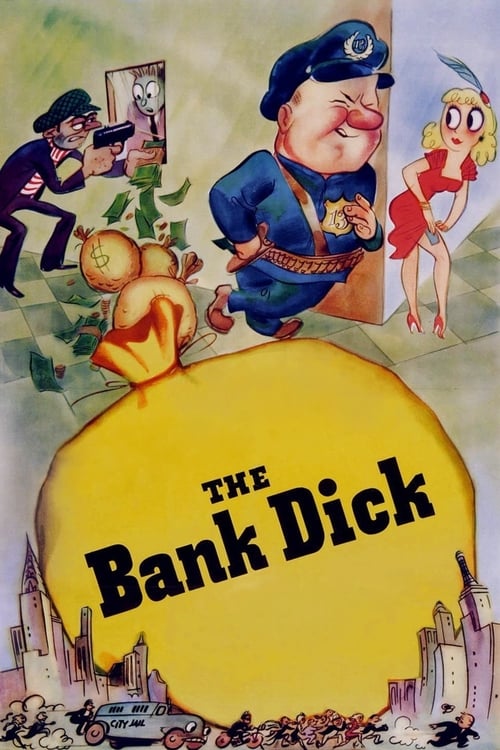
The Bank Dick reflects its 1940s context, marked by a lack of multi-layered representation and traditional demographic structures. The cast is largely uniform, and women play minor roles. However, the film offers social commentary through satire. By presenting institutional skepticism and anti-social behavior as humorous empowerment, it questions the era’s moral certainties. This critique of financial greed adds depth despite the limited demographic diversity.
Category Breakdown
The film adheres to a strict assumption that everyone is straight or cisgender. There is no depiction of non-traditional gender identities or same-sex relationships.
Women in the film are mainly supporting characters, with their roles revolving around male-driven conflicts and traditional power structures. Their dialogue and development are secondary to the main storyline.
The film showcases a predominantly white cast with little diversity. It does not feature actors from various ethnic backgrounds in key roles.
The story humorously critiques established institutions, portraying banks and local authorities as corrupt entities. This challenges the idea of these institutions being inherently trustworthy.
The film does not include any characters with visible or invisible disabilities. Such traits are not central to the plot or character development.
Present on Screen
Limited or Absent
Official Synopsis
Egbert Sousé becomes an unexpected hero when a bank robber falls over a bench he's occupying. Now considered brave, Egbert is given a job as a bank guard. Soon, he is approached by charlatan J. Frothingham Waterbury about buying shares in a mining company. Egbert persuades teller Og Oggilby to lend him bank money, to be returned when the scheme pays off. Unfortunately, bank inspector Snoopington then makes a surprise appearance.
1938
1951
1940

1964
1952
1940
1944
1969
No reviews yet. Be the first to share your thoughts on this movie!
Use the rating form above to leave a star rating and optional review.