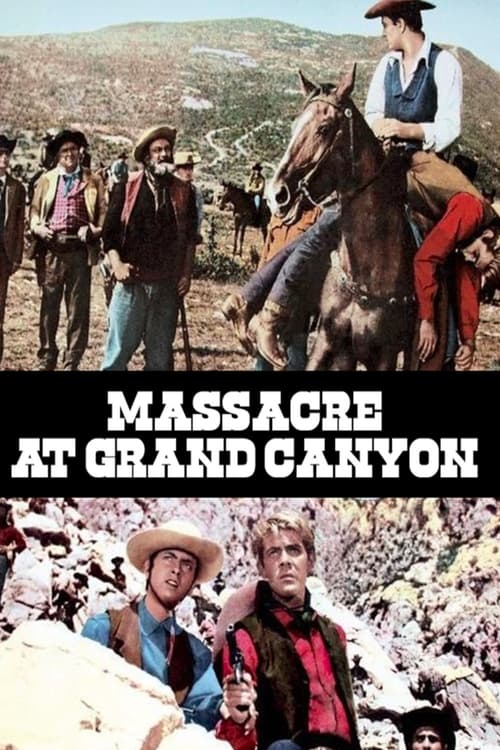
Massacre At Grand Canyon
1964
No user ratings available yet
Representation score: 1.1 out of 10
Representation Score
Limited
1972
Director
Manuel Esteba
Runtime
79 minutes
Average Rating
No ratings yetNew Showbiz Analysis
This Spaghetti Western operates within the traditional genre boundaries, emphasizing rugged individualism and classic frontier themes. The narrative structure centers on a single male protagonist, limiting opportunities for diverse perspectives and social challenges. The film adheres to the 1970s Western framework, focusing on territorial disputes and justice without moving beyond standard genre formulas.
Category Breakdown
The film does not depict any non-binary or LGBTQ+ identities or same-sex relationships. It follows the traditional heterosexual and cisgender assumptions common in 1970s Spaghetti Westerns.
The male bounty hunter holds nearly all the power and control in the story. The narrative emphasizes traditional masculinity and confrontations, without challenging conventional gender roles.
The casting follows the typical conventions of the Western genre from the 1970s. There are no actors from non-Anglo-Saxon backgrounds, nor are there any race-bent characters.
The storyline criticizes local corruption using a standard 'corrupt boss' cliché. The morality revolves around personal justice and retribution, avoiding broader institutional critiques.
The film does not include any characters with visible or invisible disabilities.
Present on Screen
Limited or Absent
Official Synopsis
A mysterious bounty hunter goes after a town boss who is murdering homesteaders for their land.
1964
1967
1966
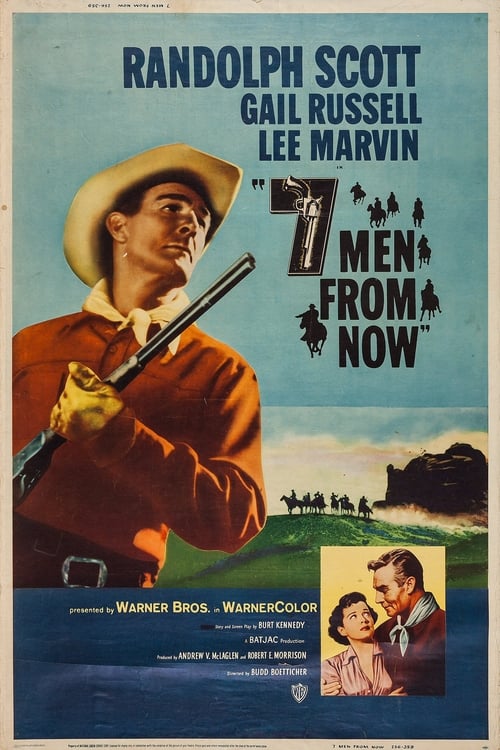
1956
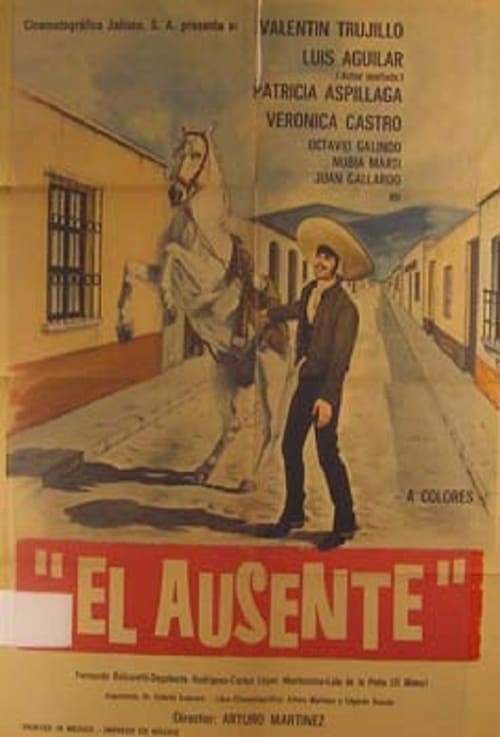
1972
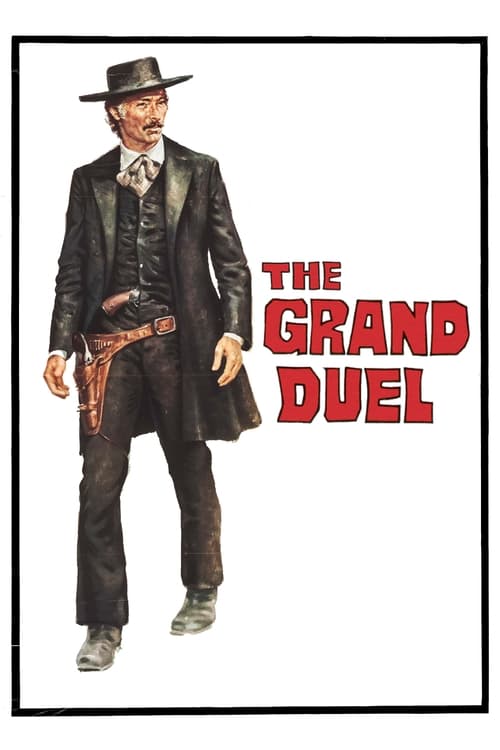
1972
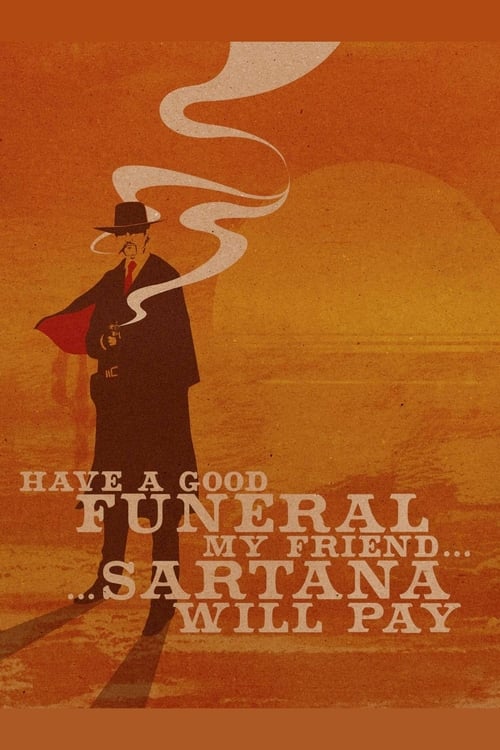
1970
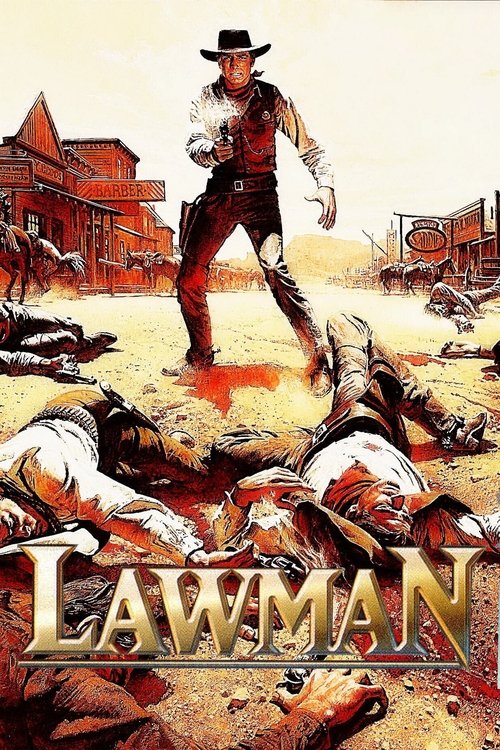
1971
No reviews yet. Be the first to share your thoughts on this movie!
Use the rating form above to leave a star rating and optional review.