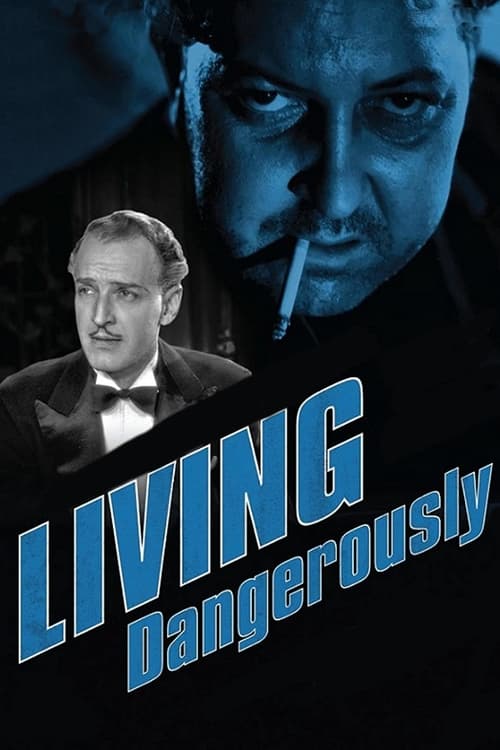
Living Dangerously
1936
No user ratings available yet
Representation score: 1.2 out of 10
Representation Score
Minimal
1936
NRDirector
Arthur Lubin
Runtime
63 minutes
Average Rating
No ratings yetNew Showbiz Analysis
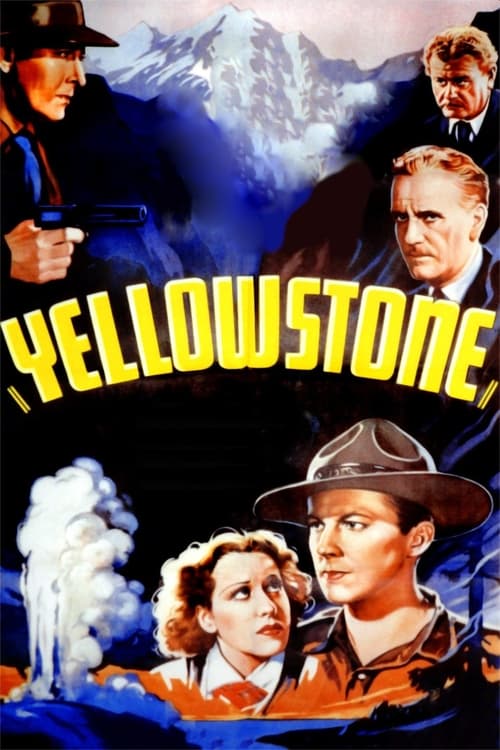
Yellowstone (1936) is a traditional genre piece that adheres strictly to the social hierarchies of its era. The narrative focuses on frontier clichés, property rights, and the protection of the family unit against external threats like land speculators. The film lacks meaningful representation across almost all diversity metrics. It presents a homogeneous worldview that prioritizes men's control over the story and Anglo-centric perspectives, offering no subversion of the prevailing cultural norms of the 1930s. Ultimately, the film serves as a baseline example of mid-century storytelling, reinforcing conventional gender roles and racial homogeneity through its focus on rugged individualism and localized justice.
Category Breakdown
The film does not include any LGBTQ+ characters or narratives. Social interactions are confined to heterosexual relationships typical of 1930s studio productions.
Male characters dominate the story, driving the plot through physical confrontations. Women play supporting or domestic roles, mainly motivating the male characters.
The cast is overwhelmingly white, reflecting the era's casting practices. The story offers a singular, Anglo-centric view of the American West without diverse ethnic viewpoints.
The narrative highlights traditional Western values such as private property and the nuclear family. It upholds established patriarchal and capitalist structures without critique.
The film does not depict any characters with visible or invisible disabilities. The cast consists of able-bodied characters typical of the action-oriented crime genre.
Present on Screen
Limited or Absent
Official Synopsis
Murder mystery set in Yellowstone National Park.
1936
1947
1935
1940
1939
1948
1955

1944
No reviews yet. Be the first to share your thoughts on this movie!
Use the rating form above to leave a star rating and optional review.