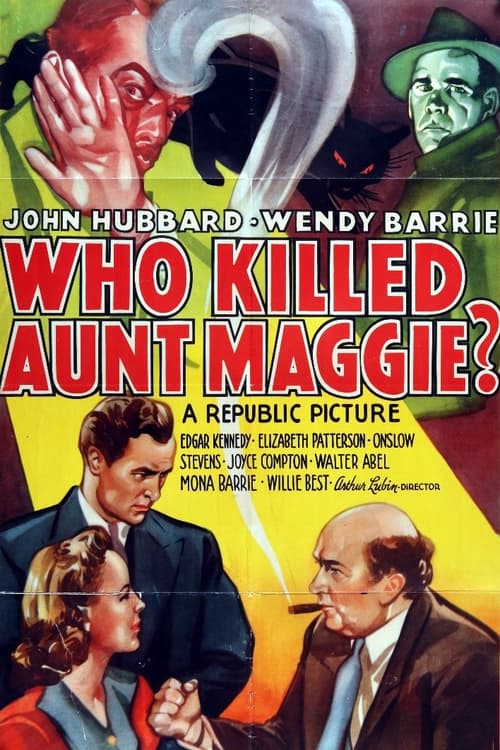
Pink String and Sealing Wax
1945
No user ratings available yet
Diversity score: 2.3 out of 10
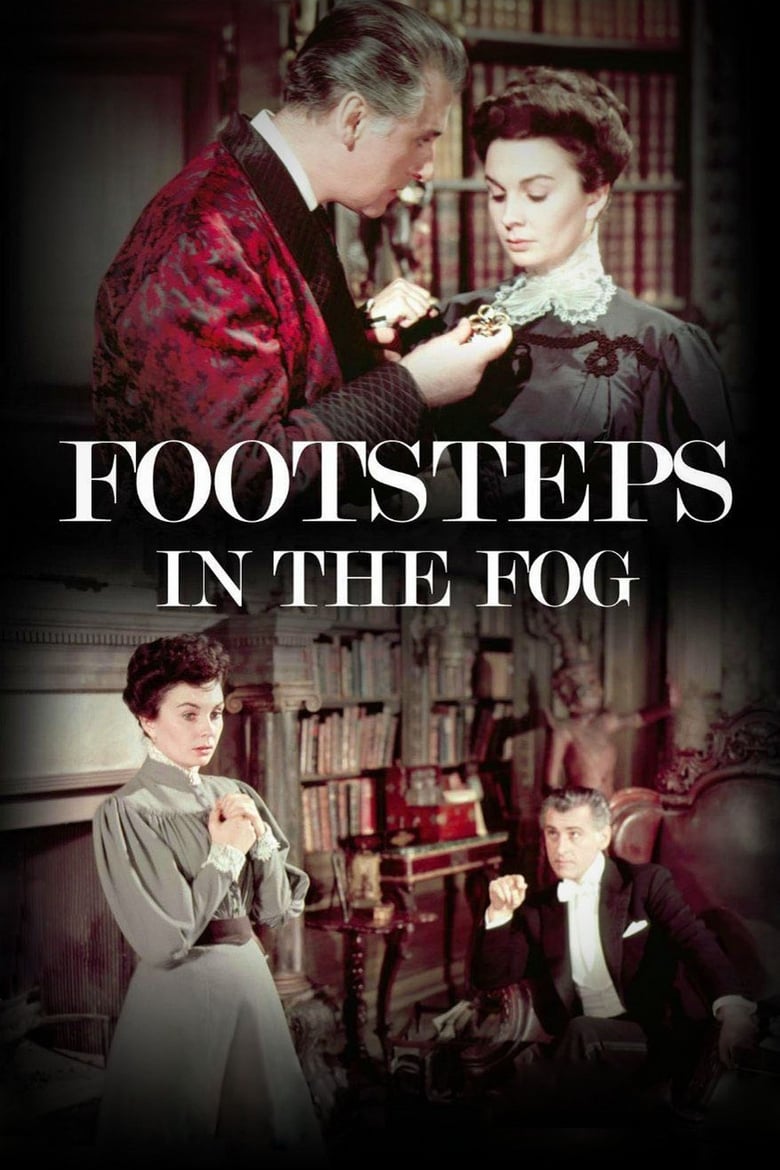
1955
NRDirector
Arthur Lubin
Runtime
90 minutes
Average Rating
No ratings yetSynopsis
A Victorian-era murder mystery about a parlour maid who discovers that her employer may have killed his first wife.
Overall Score
Limited
Category Breakdown
LGBTQ+ Representation
The film lacks any evidence of non-heteronormative identities. It appears to adhere to the strict social censorship regarding sexuality typical of 1955 productions.
Gender Representation
A female parlour maid serves as the protagonist, offering some degree of female-driven agency. However, the narrative remains bound by traditional hierarchical power dynamics between her and her male employer.
Racial & Ethnic Diversity
The production likely reflects the homogeneous casting norms of the mid-century era. There is no indication of a non-white majority cast or diverse ethnic representation.
Religious & Cultural Diversity
The story is rooted in Western historical traditions and standard crime mystery tropes. It focuses on class struggle within a Victorian setting rather than exploring diverse cultural or secularist themes.
Disability Representation
There is no information regarding the inclusion of neurodivergent characters or individuals with physical disabilities.
Strengths
Areas for Improvement
AI Analysis
Footsteps in the Fog is a conventional mid-century mystery that relies heavily on established genre tropes. While the central plot provides a framework for class-based tension, it does not seek to subvert the social hierarchies of its Victorian setting. The film lacks intentionality in its approach to intersectional representation. It functions primarily as a standard thriller, following the narrative structures common to 1950s studio filmmaking. Ultimately, the production maintains a traditional perspective, offering little disruption to the era's standard social and gender norms.
No reviews yet. Be the first to share your thoughts on this movie!
Use the rating form above to leave a star rating and optional review.