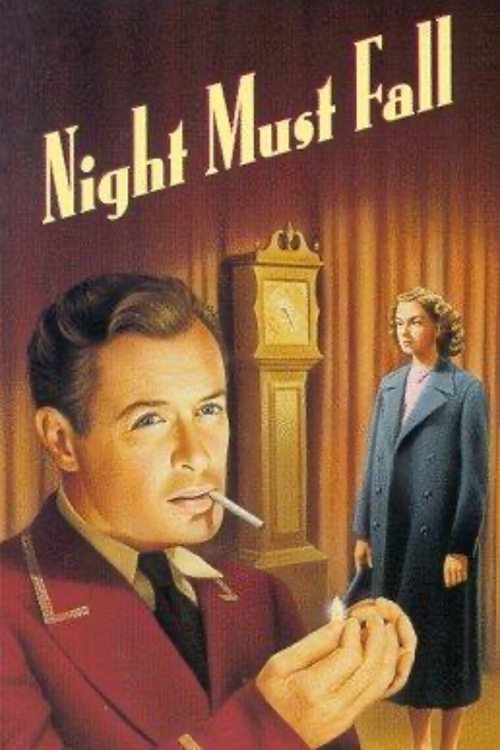
Night Must Fall
1937
No user ratings available yet
Representation score: 1.0 out of 10
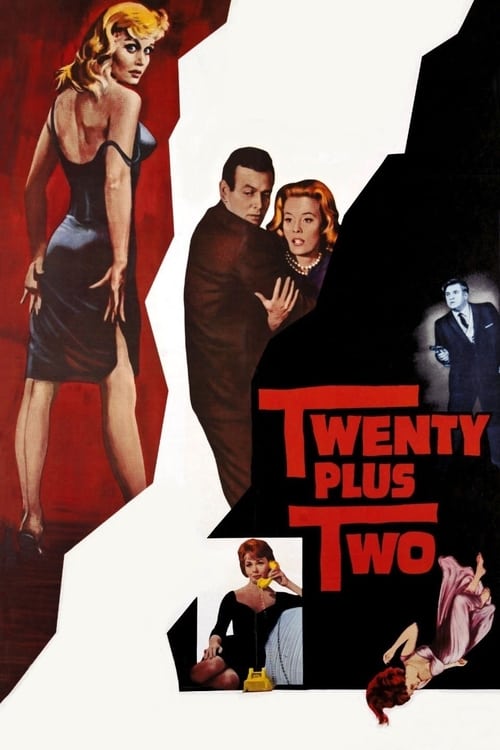
Representation Score
Limited
1961
NRDirector
Joseph M. Newman
Runtime
102 minutes
Average Rating
No ratings yetNew Showbiz Analysis
Twenty Plus Two is a product of its era, utilizing traditional casting and narrative structures that reinforce mid-century social norms. The film functions as a standard slapstick comedy, relying on established hierarchies rather than challenging them. While the protagonist's incompetence disrupts the cliché of the stoic, hyper-masculine soldier, this serves a comedic purpose rather than a systemic critique. The film lacks intentionality regarding identity or power dynamics. Overall, the production remains within the conventional boundaries of 1961 cinema, offering little representation of underrepresented groups or diverse cultural perspectives.
Category Breakdown
The film does not include any visible LGBTQ+ characters or narratives. It follows the straight-centered conventions of 1961 without incorporating queer perspectives.
Gender dynamics follow traditional comedic formulas. The protagonist avoids hyper-masculine stoicism through buffoonery, while female characters remain in conventional roles.
The cast is predominantly white, reflecting early 1960s casting norms. Set in France, the film lacks diverse or non-Anglo-Saxon ensembles.
The story relies on established social structures like military authority for humor. It does not engage with anti-Western or secularist themes.
No characters with visible or invisible disabilities are portrayed with real power. The protagonist's bumbling is used as a comedic archetype without deeper exploration.
Present on Screen
Limited or Absent
Official Synopsis
A famous movie star's fan club secretary has been brutally murdered. She has in her office old newspaper clippings regarding a missing heiress. Did the secretary know something about the mystery of the heiress?
1937
1965
1947
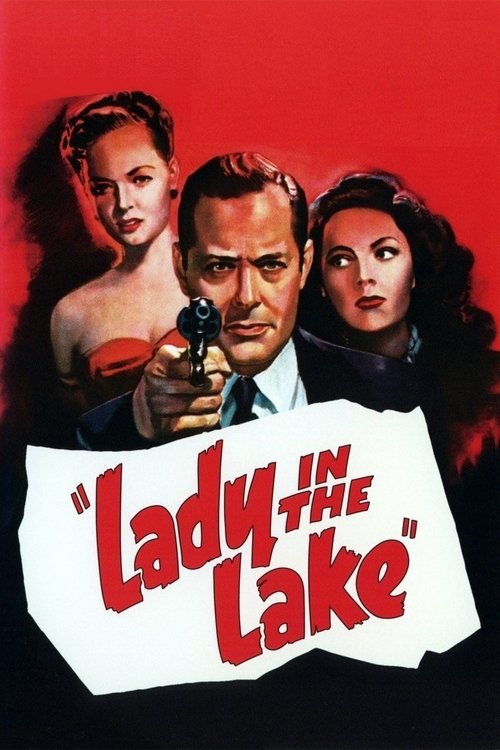
1946
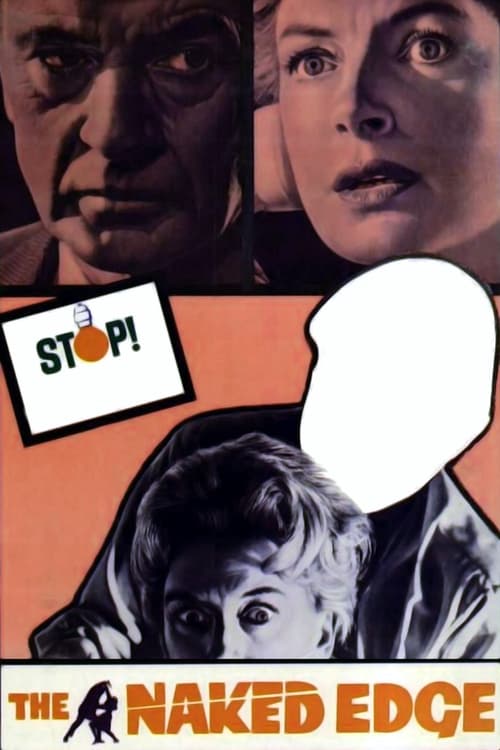
1961
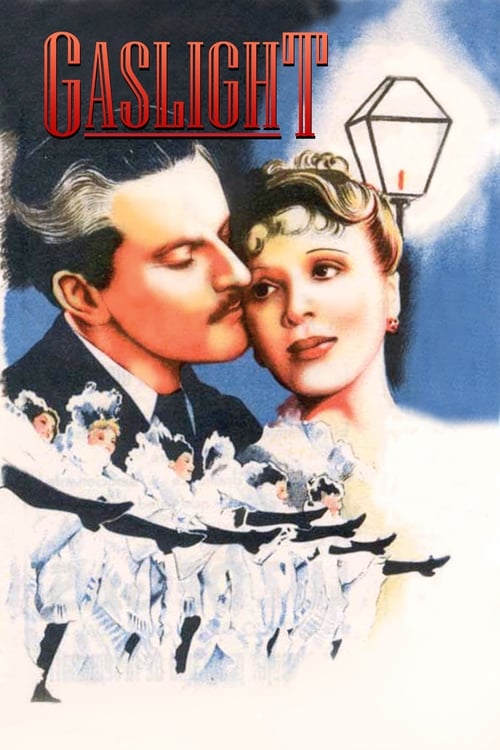
1940
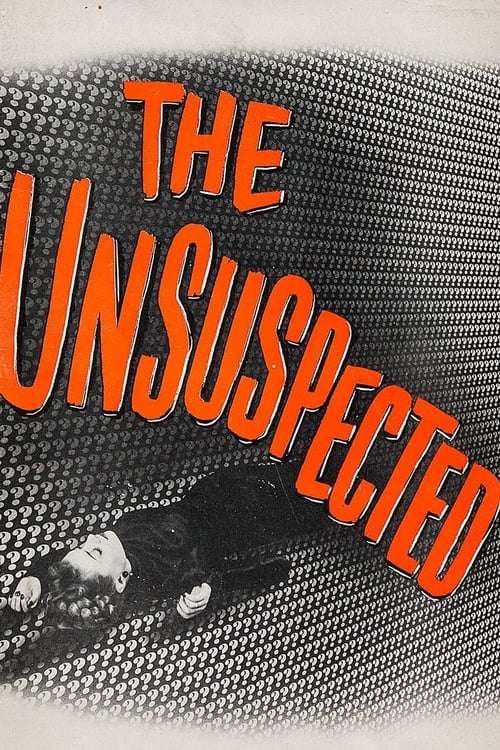
1947

1960
No reviews yet. Be the first to share your thoughts on this movie!
Use the rating form above to leave a star rating and optional review.