Life After: Chernobyl
2016
No user ratings available yet
Representation score: 5.0 out of 10
Representation Score
Minimal
2010
Director
Luc Riolon
Runtime
0 minutes
Average Rating
No ratings yetNew Showbiz Analysis
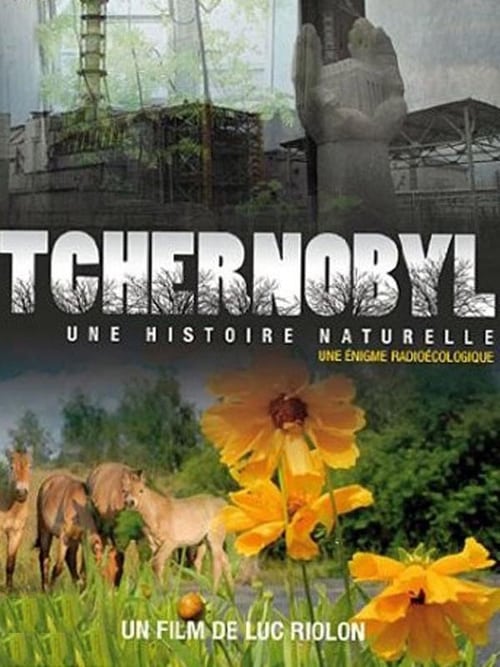
Chernobyl: A Natural History is a specialized ecological study rather than a social narrative. Its primary objective is to observe biological processes and environmental resilience in the wake of a nuclear disaster. Because the film prioritizes flora and fauna over human subjects, it lacks the structural components required to address identity-driven storytelling. The absence of human characters means there is no platform for exploring gender, race, or sexual orientation. While the film provides a profound look at the intersection of industry and nature, it remains a neutral observation of a landscape. It does not utilize character-driven ability to act to engage with social hierarchies.
Category Breakdown
The documentary focuses solely on ecological reclamation within the exclusion zone. It lacks human characters or interpersonal relationships, offering no representation of LGBTQ+ identities.
The narrative centers on the survival of various species in a radioactive landscape. It does not engage with human gender hierarchies or explore masculinity and femininity.
The lens is directed toward the biological 'ghost town' rather than a human cast. There is no evidence of racial or ethnic character development.
The film offers a meditation on the transience of human civilization and the dominance of nature. It maintains a neutral, observational stance on systemic collapse.
Because the film does not feature human subjects or characters, it precludes the representation of physical or neurodivergent disabilities.
Present on Screen
Limited or Absent
Official Synopsis
Documentary exploring the aftermath of the nuclear disaster that struck the city on April 26th 1986, uncovering how nature has survived in the radioactive zone. This compelling film explores how nature has survived in the radioactive ghost town.
2016
2021
2020
1984
2016

2016
2006
2003
No reviews yet. Be the first to share your thoughts on this movie!
Use the rating form above to leave a star rating and optional review.