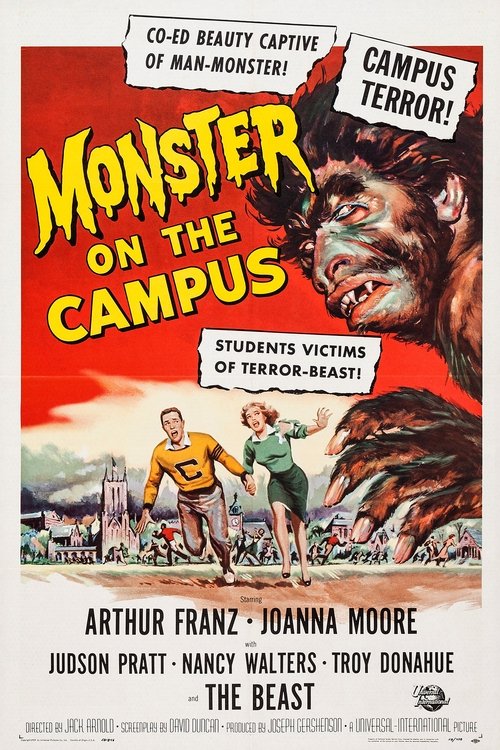
Monster on the Campus
1958
No user ratings available yet
Representation score: 1.5 out of 10
Representation Score
Minimal
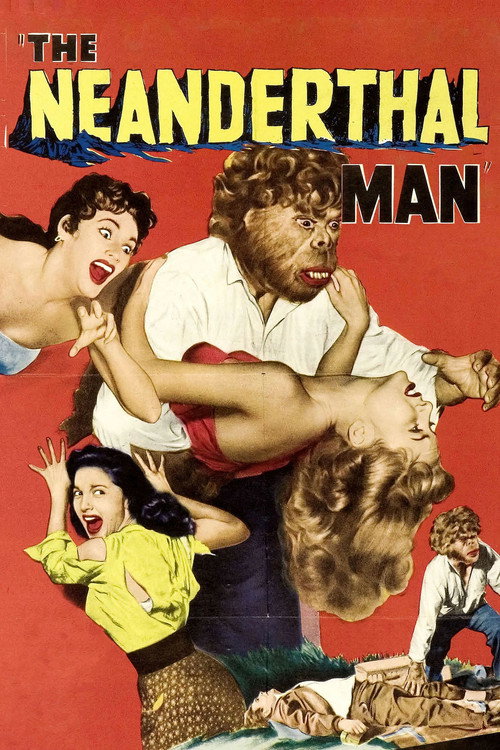
1953
Not RatedDirector
E.A. Dupont
Runtime
78 minutes
Average Rating
No ratings yetNew Showbiz Analysis
The Neanderthal Man reflects the historical context of its time, emphasizing traditional social hierarchies and homogeneous norms. The narrative centers on scientific pride and the ethical limits of biological regression, without challenging mid-century cinematic conventions. The film adheres to conventional gender roles and Western cultural standards, limiting the exploration of diverse perspectives and non-traditional identities.
Category Breakdown
The film does not include any LGBTQ+ characters or themes related to sexual orientation or gender identity. It follows the assumption that everyone is straight or cisgender.
Women in the film are mainly portrayed in supporting roles, such as domestic partners or assistants. Men take on the intellectual and leadership roles that drive the plot forward.
The cast is primarily made up of white actors, with no significant representation of diverse racial or ethnic backgrounds.
The story is set within a typical Western cultural framework that supports traditional societal norms. It does not question or critique Western institutions or religious practices.
The film portrays the protagonist's cognitive decline as a monster-like transformation, focusing on horror elements rather than exploring disabilities in a nuanced way.
Present on Screen
Limited or Absent
Official Synopsis
A scientist develops a formula which will cause animals to regress to the form of their primitive ancestors, and tries it on himself with disastrous results.
1958
1960
1943
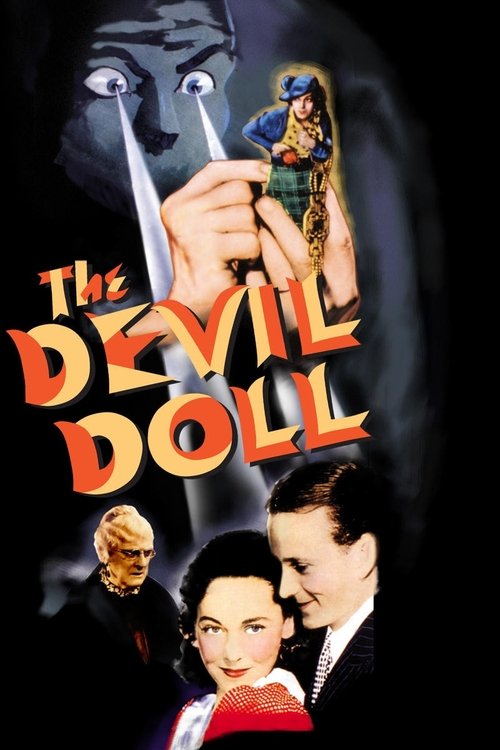
1936
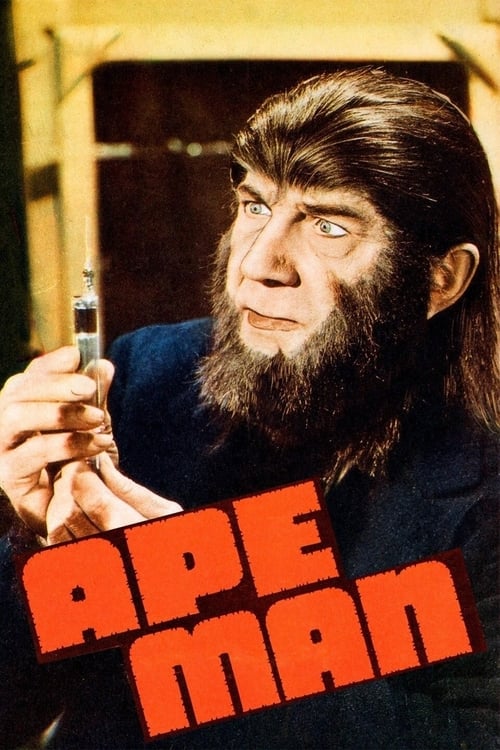
1943
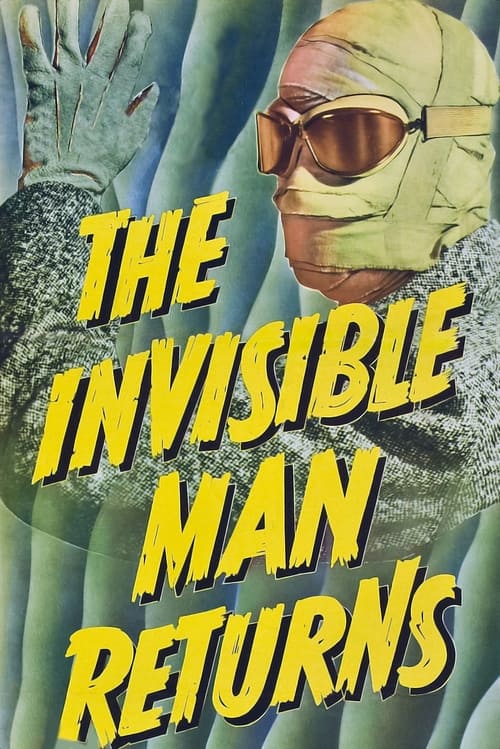
1940
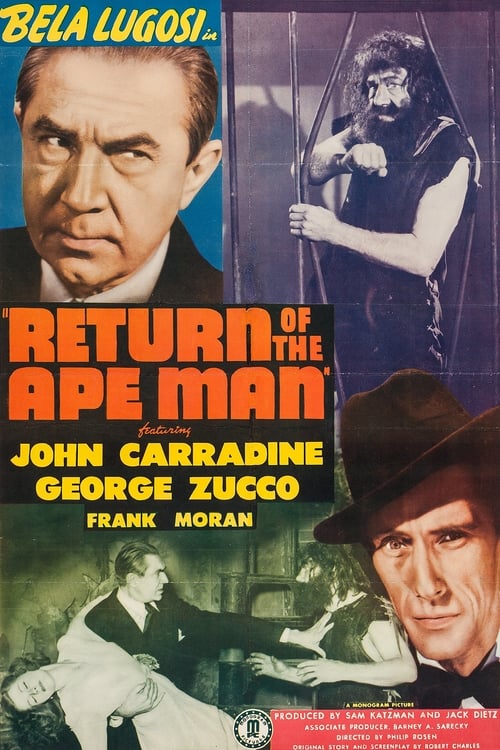
1944
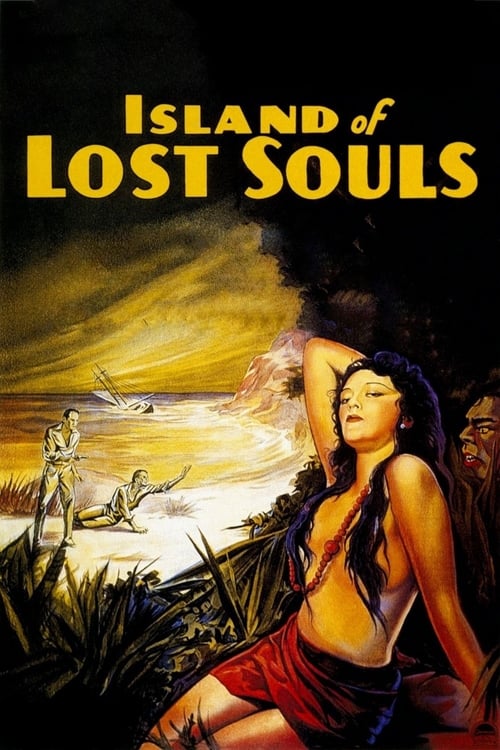
1932
No reviews yet. Be the first to share your thoughts on this movie!
Use the rating form above to leave a star rating and optional review.