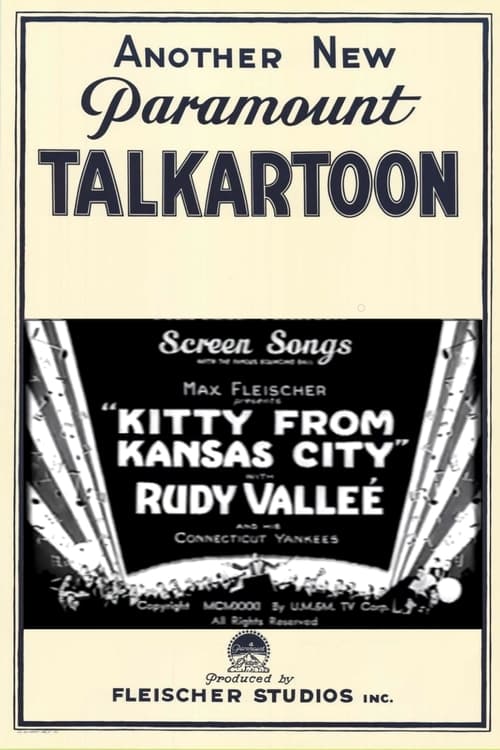
Kitty from Kansas City
1931
No user ratings available yet
Representation score: 0.8 out of 10
Representation Score
Minimal
1933
Director
Dave Fleischer
Runtime
8 minutes
Average Rating
No ratings yetNew Showbiz Analysis
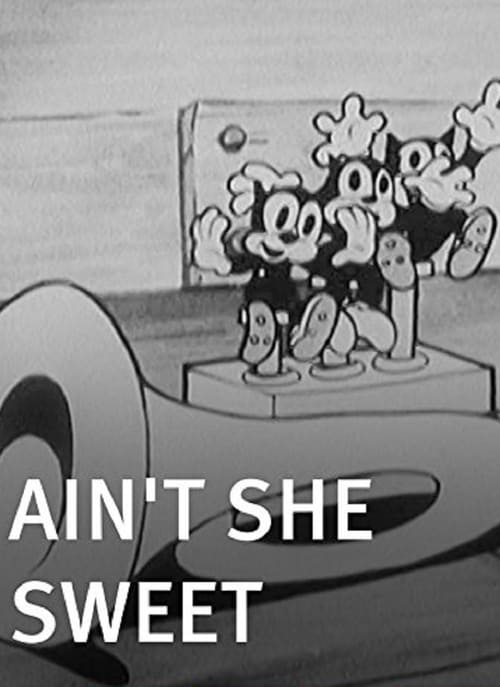
Ain't She Sweet functions as a musical prologue designed for audience participation rather than narrative depth. It prioritizes vaudevillian traditions and commercial engagement over social representation. The film reinforces the status quo of the 1930s by adhering to rigid gender roles and homogeneous casting. It presents a world built on conventional romantic ideals and traditional Western social structures. Ultimately, the short lacks any meaningful disruption of prevailing cultural norms, offering a narrow view of identity through idealized, archetypal characters.
Category Breakdown
The film does not depict any LGBTQ identities or subtext. The romantic framework focuses solely on a traditional heterosexual relationship.
Gender hierarchies are reinforced through a passive female role. The woman primarily serves as a romantic object rather than a character with significant influence.
The work lacks racial diversity. Character archetypes align with the homogeneous casting norms and Anglo-centric narratives typical of early American animation.
The short operates within traditional Western social norms. It promotes conventional romantic sentimentality without engaging in systemic critique or deconstructing established institutions.
There is no representation of physical or neurodivergent identities. Characters function as idealized animated archetypes devoid of the complexities of lived disability.
Present on Screen
Limited or Absent
Official Synopsis
19th century song pluggers in vaudeville theaters and in the streets invited audiences to join in the chorus; this tradition of participation appeared in movie theaters by the mid-teens. When sound arrived, Fleischer Studios’ delightful “Screen Songs” added witty animated prologues and celebrity singers to prepare the audience for the ball that bounced through the lyrics.
1931
1931

1937

1937

1946
1930
1933
1931
No reviews yet. Be the first to share your thoughts on this movie!
Use the rating form above to leave a star rating and optional review.