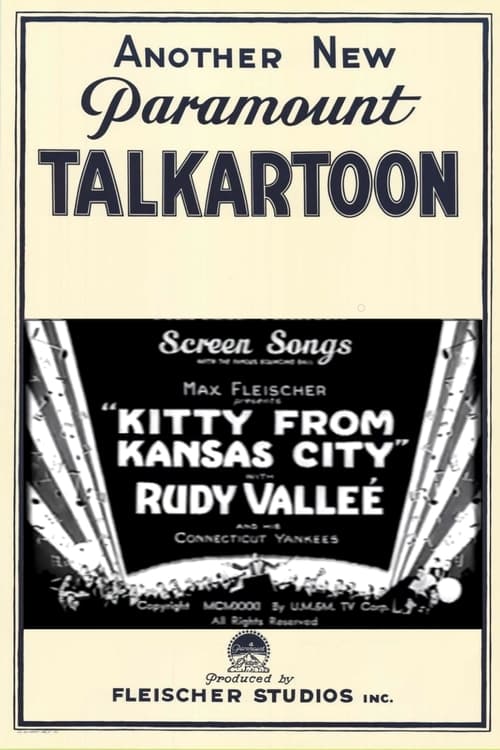
Kitty from Kansas City
1931
No user ratings available yet
Representation score: 0.8 out of 10
Representation Score
Minimal
1931
Director
Dave Fleischer
Runtime
7 minutes
Average Rating
No ratings yetNew Showbiz Analysis
This 1931 animation primarily serves as a rhythmic musical piece rather than a narrative aimed at broadening social perspectives. It upholds the era's standards for female domesticity through its portrayal of traditional femininity. The work reflects its historical context, reinforcing conventional social structures and domestic stereotypes. It does not aim to challenge or disrupt established social hierarchies. Overall, the film offers a uniform depiction of early 20th-century norms, lacking in multi-layered depth and diverse characterization.
Category Breakdown
The film does not depict any non-binary gender identities or same-sex relationships. It follows a traditional structure typical of the early 1930s, which assumes everyone is straight and cisgender.
The story emphasizes traditional gender roles and domestic stereotypes. Women’s worth is tied to their ability to maintain a tidy home and adhere to societal expectations of neatness and kindness.
The short lacks racial or ethnic diversity in its characters. The animation presents a homogeneous cast with no attempts to include diverse backgrounds.
The film promotes traditional Western values, emphasizing the importance of the family home. It adheres to the moral standards and social customs of the time.
There are no characters shown with visible or invisible disabilities. The focus remains on the smooth, idealized movements of the animated figures.
Present on Screen
Limited or Absent
Official Synopsis
A Bouncing-Ball rendition of the title song features animated cats.
1931
1931
1931
1931
1932
1932
1933

1934
No reviews yet. Be the first to share your thoughts on this movie!
Use the rating form above to leave a star rating and optional review.