The Delivery Boy
1931
No user ratings available yet
Representation score: 1.6 out of 10
Representation Score
Minimal
1930
Director
Walter Lantz
Runtime
7 minutes
Average Rating
No ratings yetNew Showbiz Analysis
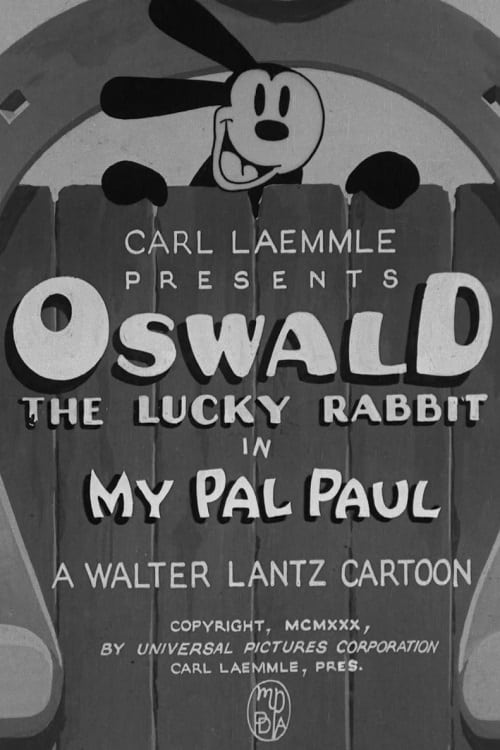
This 1930 animation is a product of its era, prioritizing surreal slapstick humor and the promotion of musical celebrities over social representation. The narrative centers on a male-centric musical encounter that lacks diversity in gender, race, or identity. While the film includes whimsical and surreal animation sequences, it relies on reductive cultural symbols, such as the 'Indian dance' performed by a car ornament. These elements reflect the homogeneous casting and limited cultural nuance common in early animation. Ultimately, the film serves as a commercial tool for jazz-era stardom. It lacks the intentionality needed to disrupt social hierarchies, focusing instead on traditional masculine performance and mainstream celebrity culture.
Category Breakdown
The film does not include any depictions of LGBTQ+ identities or relationships. The plot revolves solely around the musical interactions between Oswald and Paul Whiteman.
The story centers on male characters and follows a traditional male arc of performance and success. Female characters are notably absent, providing no gender diversity.
Representation is limited to a homogeneous cast of animals and humans. A car ornament performing an 'Indian dance' serves as a reductive cultural symbol typical of the era.
The narrative functions as a commercial promotion for 'The King of Jazz.' It celebrates American musical celebrity without challenging Western institutions or cultural norms.
There are no characters depicted with visible or invisible disabilities. The film does not feature any neurodivergent representation.
Present on Screen
Limited or Absent
Official Synopsis
Oswald the Rabbit puts on a concert for a group of barn animals - but when they discover that he's miming to a record of his idol, Paul Whiteman - they boo and shun him. Oswald wanders off in shame to hang himself from the nearest tree and is stopped by none other than Whiteman himself who happens along in his car. The two begin performing music using parts of the car which leads to some highly surrealistic setpieces (dancing tools - a hood ornament that does an Indian dance, etc.) This rare and whimsical cartoon was used to promote THE KING OF JAZZ and makes reference to same.
1931

1930

1937
1931
1933
1932
1946

1937
No reviews yet. Be the first to share your thoughts on this movie!
Use the rating form above to leave a star rating and optional review.