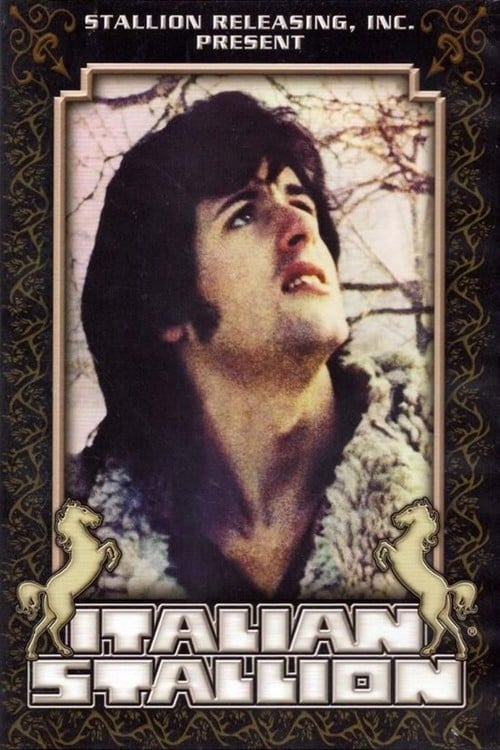
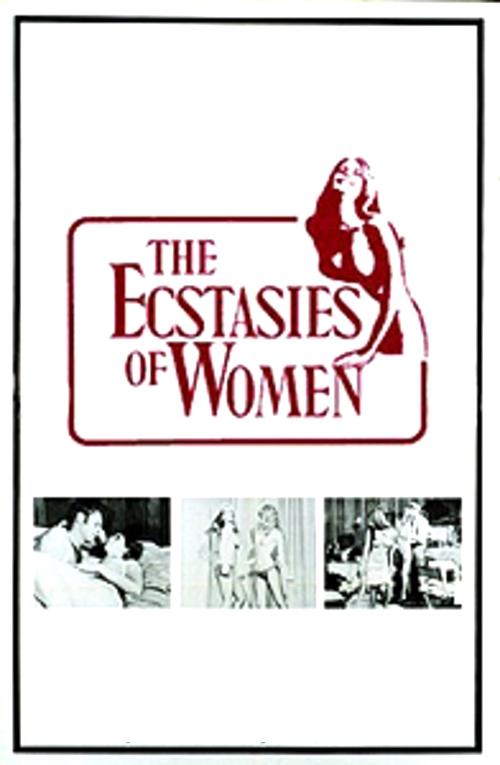
The Party at Kitty and Stud's
1970
No user ratings available yet
Representation score: 6.0 out of 10
Representation Score
Minimal
1969
UnratedDirector
Herschell Gordon Lewis
Runtime
74 minutes
Average Rating
No ratings yetNew Showbiz Analysis
The film operates through a male-centric, flashback-driven structure typical of 1969 exploitation cinema. The narrative revolves around a bachelor party and the protagonist's sexual history, emphasizing a traditional heterosexual perspective. While female characters are present in large numbers, they are portrayed as conquests rather than independent individuals. This creates a power dynamic where women support the male protagonist's journey rather than driving their own stories. Ultimately, the film adheres to the era's standard casting and social hierarchies, focusing on individualistic hedonism without diverse or subversive representation.
Category Breakdown
The film focuses solely on a male protagonist's history of romantic conquests involving women. There is no depiction of same-sex relationships or characters with non-traditional gender identities.
Women appear frequently as former lovers and go-go dancers, but they lack independent ability to act. Their roles are limited to serving as objects of nostalgia and catalysts for the male protagonist's memories.
The film likely reflects the homogeneous casting practices of 1960s exploitation cinema. There is no indication of a diverse or non-white majority cast.
The story explores themes of hedonism and sexual liberation. However, it does not provide a critical examination of Western institutions or cultural norms.
There is no evidence of characters with visible or invisible disabilities being included in the film's cast or storyline.
Present on Screen
Limited or Absent
Official Synopsis
Harry's friends throw him a night-long bachelor party, and he flashes back to his many female 'conquests' with the go-go dancers who remind him of his array of past lovers.
1970

1974

1963
1969
1979
1986
1969
1971
No reviews yet. Be the first to share your thoughts on this movie!
Use the rating form above to leave a star rating and optional review.