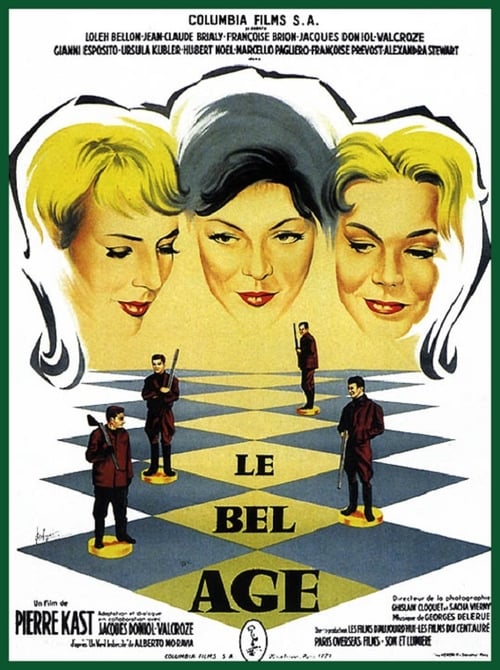
Le Bel Âge
1960
No user ratings available yet
Representation score: 5.3 out of 10
Representation Score
Fair
1970
Not RatedDirector
Jens Jørgen Thorsen
Runtime
80 minutes
Average Rating
No ratings yetNew Showbiz Analysis
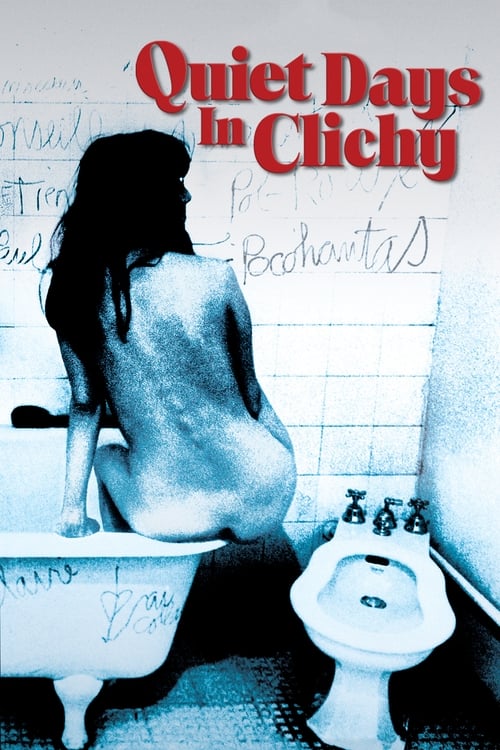
Quiet Days in Clichy serves as an experimental study of human impulse and urban existence. It succeeds in subverting mid-century social expectations by replacing rigid moral structures with a fluid, observational approach to sexuality and desire. The film's strength lies in its rejection of traditional hierarchies, particularly regarding gender and social norms. By focusing on decadent, non-consequential social behaviors, it aligns with the progressive, postmodern cinematic movements of the 1970s. However, the work remains limited in its breadth of representation. It lacks clear evidence of racial diversity or specific LGBTQ+ identities, and provides no visible engagement with disability representation.
Category Breakdown
The film explores liberated sexuality and challenges traditional romantic structures. However, it does not provide clear examples of specific LGBTQ+ character arcs or non-straight relationships.
Women are portrayed as active participants in a landscape of shared desire rather than submissive figures. This approach disrupts traditional gender hierarchies and domestic roles.
The narrative focuses on Parisian urban life but lacks significant racial or ethnic diversity. It appears to reflect the demographics typical of 1970s Europe.
The film embraces moral relativism and hedonism, challenging traditional Western institutions like the nuclear family. It prioritizes subjective experience over religious or conventional social norms.
There is no discernible evidence regarding the portrayal of physical or neurodivergent disabilities within the film.
Present on Screen
Limited or Absent
Official Synopsis
Joey is a struggling writer with no money. His roommate Carl is a charming stud with a taste for young girls. Together, these two insatiable dreamers will laugh, love and screw their way through a decadent Paris paved with wanton women, wild orgies and outrageous erotic adventures.
1960

1974
1972
1967
1976
1969
1970

1980
No reviews yet. Be the first to share your thoughts on this movie!
Use the rating form above to leave a star rating and optional review.