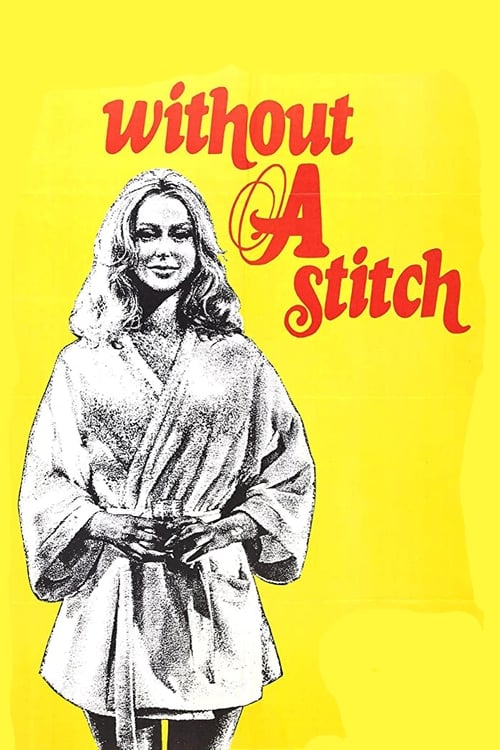
Without a Stitch
1968
No user ratings available yet
Representation score: 5.5 out of 10
Representation Score
Fair
2008
RDirector
Anna Biller
Runtime
120 minutes
Average Rating
No ratings yetNew Showbiz Analysis
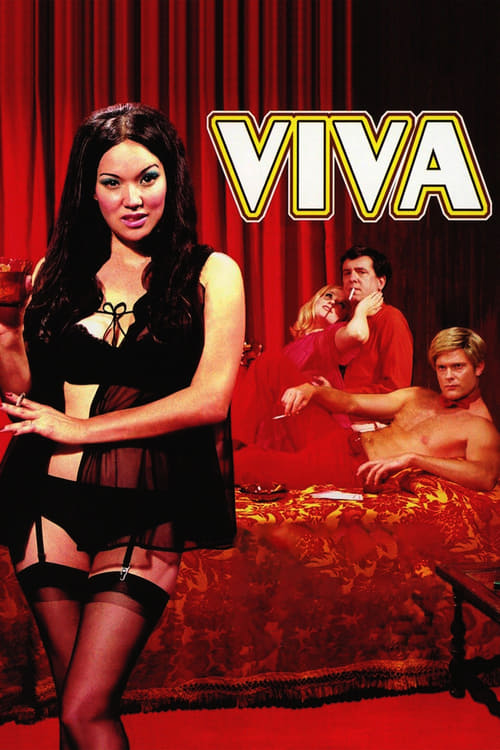
Viva is a stylized exploration of female empowerment set against a 1970s backdrop. It succeeds most prominently in its subversion of gender hierarchies, using the protagonist's journey to critique traditional domesticity and patriarchal expectations. However, the film's impact is limited by its narrow demographic focus. The narrative remains centered within a white, middle-to-upper-class milieu, offering little racial or ethnic breadth. Ultimately, the film functions as a sophisticated critique of social institutions and gender performance, even if its scope remains culturally specific.
Category Breakdown
The film explores bisexuality and non-straight relationships through bohemian subcultures. While not centering a formal LGBTQ+ identity, it challenges conventional structures through female-driven sexual liberation.
The narrative excels by centering the female perspective and dismantling women's roles as passive objects. It presents femininity as a constructed performance, challenging traditional patriarchal stability.
The cast remains relatively homogeneous, focusing on a white, middle-to-upper-class aesthetic. There is a notable lack of significant racial or ethnic diversity within the primary cast.
The film critiques Western social norms by prioritizing bohemianism and secularism. It frames counter-cultural movements as valid responses to systemic social and capitalist pressures.
There is no significant evidence regarding the portrayal of physical or neurodivergent disabilities. No specific characters are identified as possessing these traits.
Present on Screen
Limited or Absent
Official Synopsis
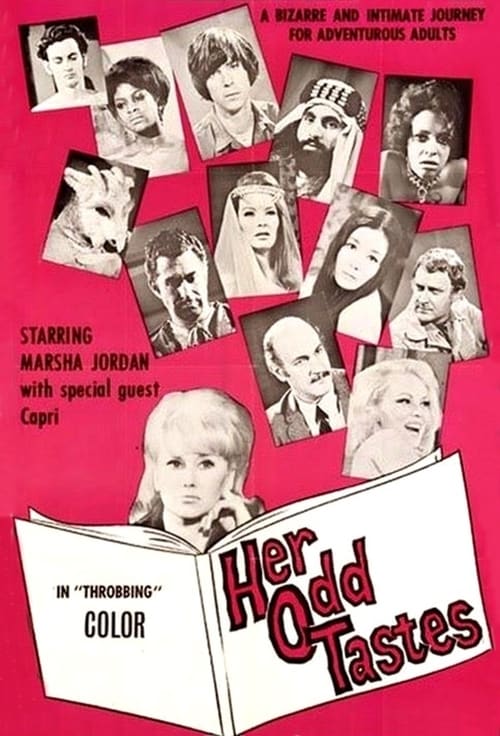
Abandoned by her husband, Barbi is dragged into trouble by her girlfriend, who spouts women's lib as she gets Barbi to discard her bra and go out on the town. Barbi becomes a Red Riding Hood in a sea of wolves, and quickly learns a lot more than she wanted to about nudist camps, the hippie scene, orgies, bisexuality, sadism, drugs, and bohemia.
1968

1966
1969

1974
1968
1969
1969
1997
No reviews yet. Be the first to share your thoughts on this movie!
Use the rating form above to leave a star rating and optional review.