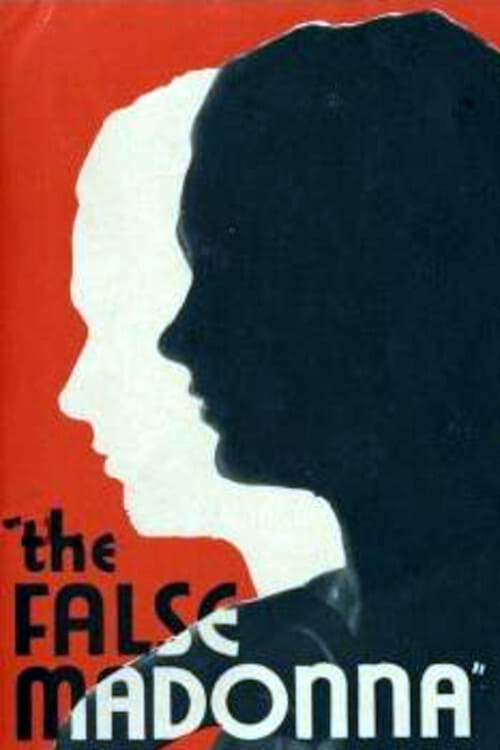
The False Madonna
1931
No user ratings available yet
Representation score: 1.9 out of 10
Representation Score
Fair
1925
NRDirector
Tod Browning
Runtime
73 minutes
Average Rating
No ratings yetNew Showbiz Analysis
The film serves as a critique of social stability and class-based hierarchies. By focusing on outsiders who exploit the elite, it disrupts conventional expectations of morality and social standing. While the film offers moderate gender ability to act through its female lead, it lacks deeper exploration of multi-layered issues. The inclusion of international settings provides texture but remains centered on the central deception rather than diverse cultural exploration.
Category Breakdown
The film does not include any explicit LGBTQ+ characters or representations of non-straight relationships. It follows the traditional assumptions that everyone is straight and cisgender.
Zara is a proactive female character who drives the plot using her intelligence and cunning. Despite a male character exerting control, she subverts the passive roles typically given to women in films from that era.
The Hungarian carnival setting adds an international flavor but primarily uses this 'otherness' as a narrative tool rather than a deep exploration of different cultures.
The story critiques the American upper class by portraying the elite as targets for exploitation. This challenges established social hierarchies and traditional class-based morality.
There is no evidence within the available narrative to support an analysis of disability representation.
Present on Screen
Limited or Absent
Official Synopsis
Zara is a phony psychic in a Hungarian carnival who, under the guidance of a Svengali-like con man crashes—and proceeds to swindle—American high society.
1931
1922
1933
1958
1915
1930

1925
1924
No reviews yet. Be the first to share your thoughts on this movie!
Use the rating form above to leave a star rating and optional review.