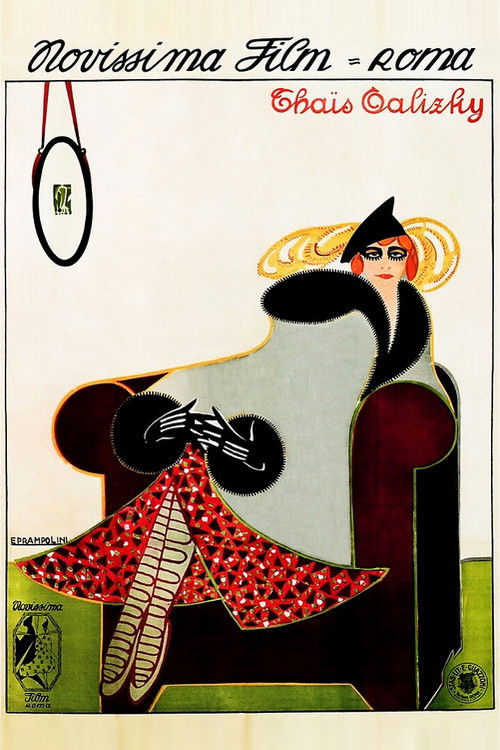
Thaïs
1917
No user ratings available yet
Diversity score: 3.1 out of 10
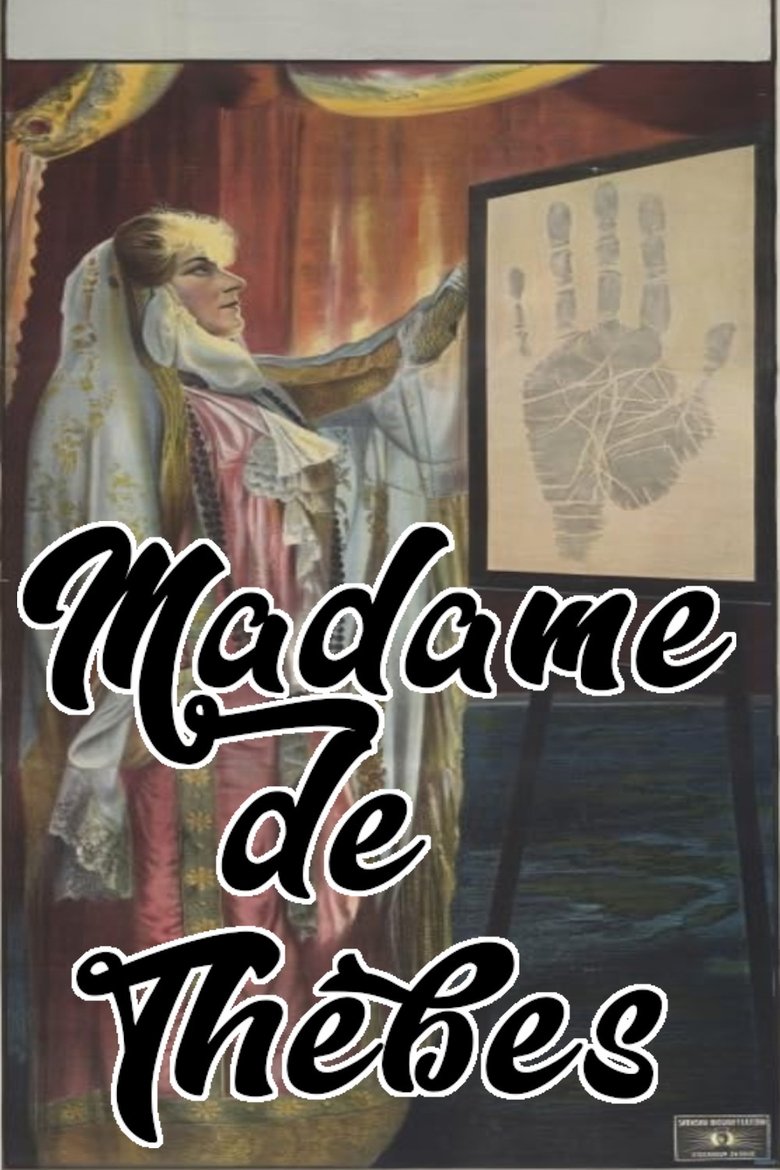
1915
Director
Mauritz Stiller
Runtime
68 minutes
Average Rating
No ratings yetSynopsis
The story is wacky – a gypsy is cursed by her father, so that she has to deny her illegitimate son in order for him to have a successful life. She gives him to a well-to-do lady who has lost her own child. Later, he has grown up to be a politician who wants to become the foreign minister. He doesn’t know that his real mother is the famous Madame de Thebes, the fortuneteller who all politicians make sure to visit! This information falls into the hands of a rival, who tries to use it to ruin his career. Meanwhile, the rival’s attractive daughter is attacked by a ruffian and needs to be rescued… There are a lot of striking images in this film. You can see the beauty of them even if the state of the print is far from perfect. The Norwegian actress Ragna Wettergreen gives a haunting performance as Madame de Thebes, with wisdom and regret – and quite a few melodramatic gestures. Understatement was not the norm in those days.
Overall Score
Limited
Category Breakdown
LGBTQ+ Representation
The film lacks explicit LGBTQ+ characters or narratives. The plot focuses on traditional familial bonds and the biological connection between a mother and her son.
Gender Representation
Madame de Thèbes serves as a prominent, emotionally heavy protagonist. However, the story relies on tropes like a daughter needing rescue, reinforcing conventional power dynamics.
Racial & Ethnic Diversity
The narrative utilizes the 'gypsy' archetype common to the era. This risks exoticizing ethnic identity through folklore and curses rather than offering nuanced, high-agency representation.
Religious & Cultural Diversity
The story centers on early 20th-century social hierarchies, legitimacy, and reputation. It functions through the lens of classical melodrama rather than exploring secular or anti-capitalist themes.
Disability Representation
There are no visible or invisible disabilities depicted as central to the character arcs or the progression of the plot.
Strengths
Areas for Improvement
AI Analysis
Mauritz Stiller’s drama is a quintessential product of its historical era, prioritizing classical melodrama over the disruption of social hierarchies. While the film features a strong female lead, it remains tethered to the archetypes of 1915 cinema. The narrative relies heavily on traditional tropes, such as secret lineages and romanticized ethnic caricatures. These elements provide character depth but do not challenge the period's established social or gendered norms. Ultimately, the film is a study in social consequence and reputation. It offers significant emotional weight through its protagonist but lacks the intentionality required for modern progressive representation.
1917
1951

1940
1971

1924
1916
1914
1929
1931
1920
1912
1920
No reviews yet. Be the first to share your thoughts on this movie!
Use the rating form above to leave a star rating and optional review.