
The Sentimental Policeman
1992
No user ratings available yet
Diversity score: 5.7 out of 10
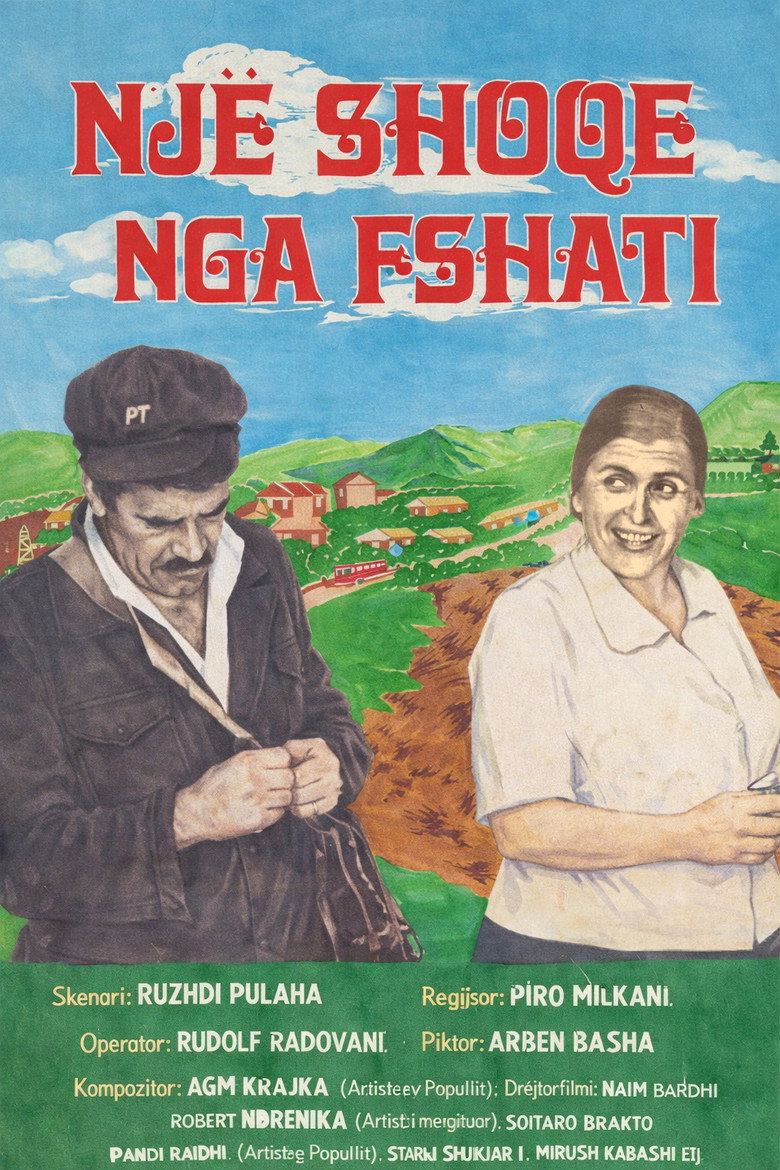
1980
Director
Piro Milkani
Runtime
75 minutes
Average Rating
No ratings yetSynopsis
It is a cine comedy following "The Lady from the town". Olga is getting ready to go to a meeting of the district women activists, where she will relate her own experience in the struggle against conservative concepts. During a warm atmosphere, Olga sings the first lullaby to her newborn nephew: "Once upon a time there was an Olga who posed as a lady.Time passed by and the lady has become one of us, a comrade from the country"
Overall Score
Fair
Category Breakdown
LGBTQ+ Representation
The film focuses on traditional family structures and socialist communal life. There is no evidence of non-cisnormative identities or same-sex intimacy.
Gender Representation
Olga serves as a central agent of change, moving from a bourgeois 'lady' to a politically active 'comrade.' The story prioritizes female intellectual engagement over domestic roles.
Racial & Ethnic Diversity
The film operates within a multi-ethnic socialist framework aimed at a unified identity. Specific ethnic casting details remain unconfirmed within the regional context.
Religious & Cultural Diversity
The narrative deconstructs bourgeois institutions in favor of socialist collectivism. It critiques traditional agrarian structures and class-based social distinctions through Olga's journey.
Disability Representation
Characters are defined by their social and political roles within the village. There is no discernible focus on physical or mental disabilities.
Strengths
Areas for Improvement
AI Analysis
A Comrade from the Village is a period comedy that centers on the political and social evolution of its female protagonist. It succeeds in subverting traditional gender hierarchies by portraying women as active participants in district activism and communal leadership. However, the film's scope is narrow, focusing heavily on socialist integration and class struggle. This emphasis leaves little room for the representation of LGBTQ+ identities or characters with disabilities, which remain absent from the narrative. While the film offers a strong critique of conservative social structures, its diversity is largely confined to the gendered and class-based progressivism typical of its era.
1992
1950
1961
2013
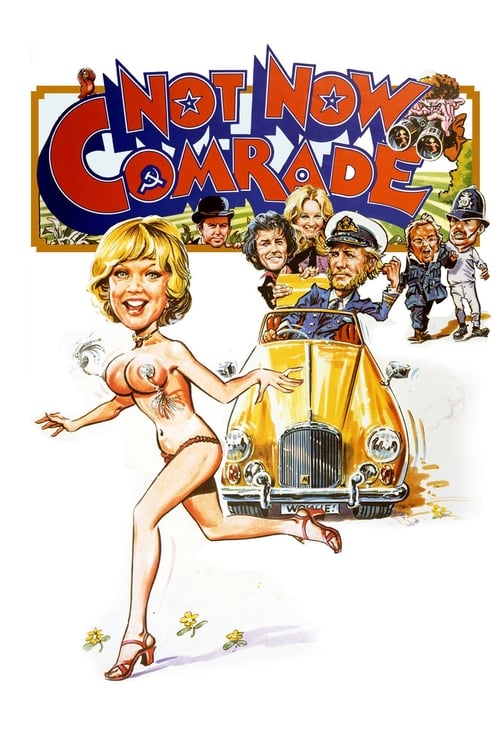
1976
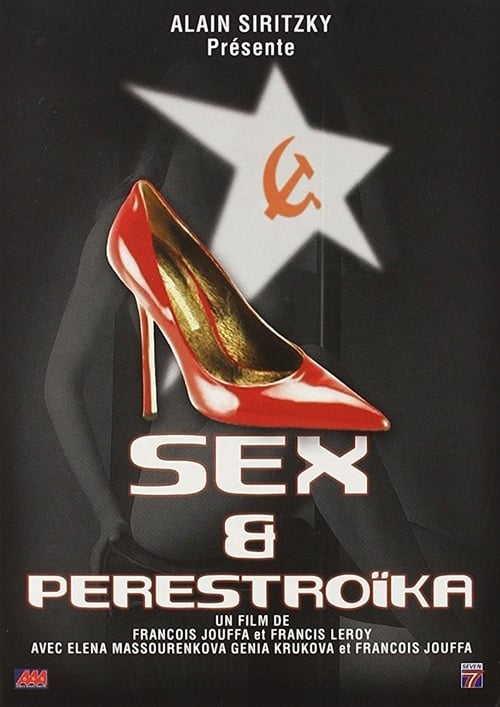
1990
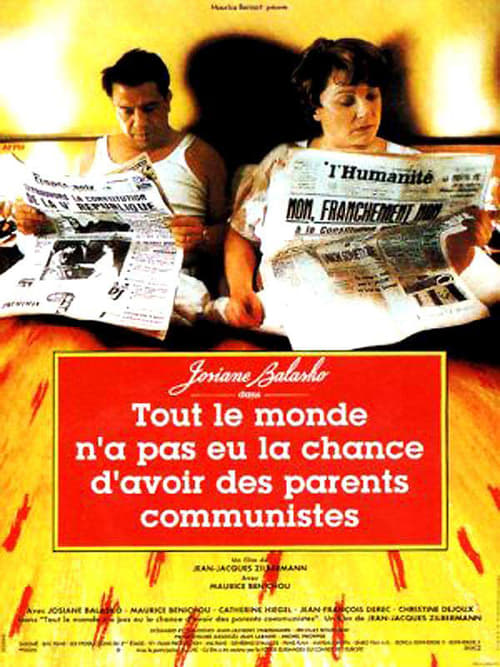
1993

1975

1984
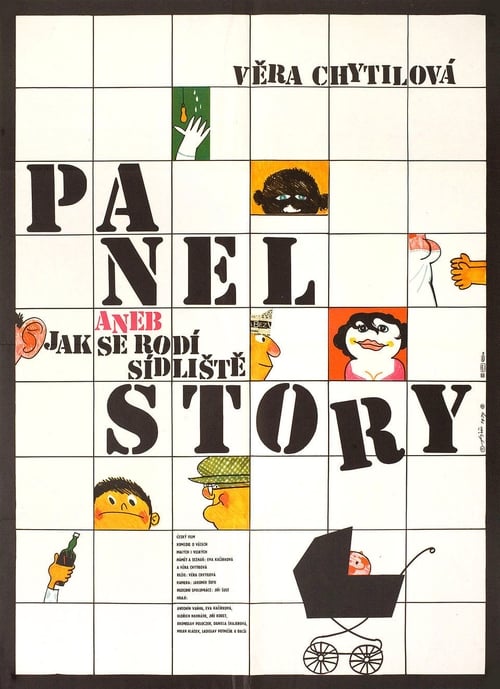
1981
1978
1983
No reviews yet. Be the first to share your thoughts on this movie!
Use the rating form above to leave a star rating and optional review.