
Trophy Wife
2010
No user ratings available yet
Representation score: 7.7 out of 10

Representation Score
Fair
1983
Director
Dominique Giuliani, Pierre Mondy
Runtime
136 minutes
Average Rating
No ratings yetNew Showbiz Analysis
Potiche is a gender-focused comedy that centers on the subversion of traditional power dynamics. It portrays women's ability to drive the story as a tool for systemic disruption within an industrial setting. However, the film lacks diversity in terms of race, ethnicity, and LGBTQ+ identities, limiting its broader social scope. Ultimately, it serves as a critique of capitalist leadership and patriarchal expectations.
Category Breakdown
The film does not include any LGBTQ+ characters or non-cisgender identities. The romantic tension follows traditional structures between the protagonist and her former lover.
Suzanne transitions from a submissive wife to a leader, disrupting traditional gender roles. The film highlights her competence in a traditionally male role, challenging male fragility.
The narrative focuses on French class dynamics within a homogeneous social stratum. There is no indication of a multi-ethnic cast or diverse racial representation.
The story critiques Western capitalist structures through themes of industrial strikes and socialist ideals. It challenges bourgeois morality via the protagonist's professional rise.
There is no mention of characters with visible or invisible disabilities in the narrative.
Present on Screen
Limited or Absent
Official Synopsis
Suzanne Pujol is the submissive wife of a rich industrialist who is as unpleasant with his family as with his workers. Following a strike in the company, Suzanne takes the place of her husband, who is disowned by his staff. She proves to be a woman of leadership and action, which provokes the anger of her husband and her former lover, a communist deputy...
2010

1972

1977

1983

1991

1980

1963
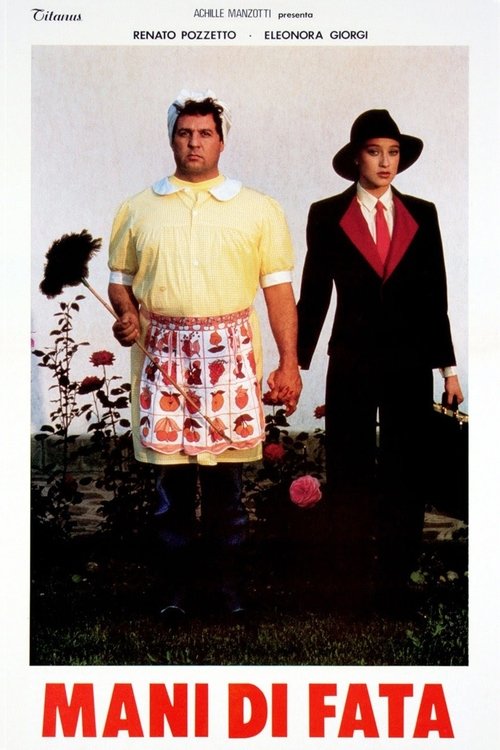
1983
No reviews yet. Be the first to share your thoughts on this movie!
Use the rating form above to leave a star rating and optional review.