
Letter to America
1999
No user ratings available yet
Diversity score: 6.1 out of 10
1992
Director
Kira Muratova
Runtime
115 minutes
Average Rating
No ratings yetSynopsis
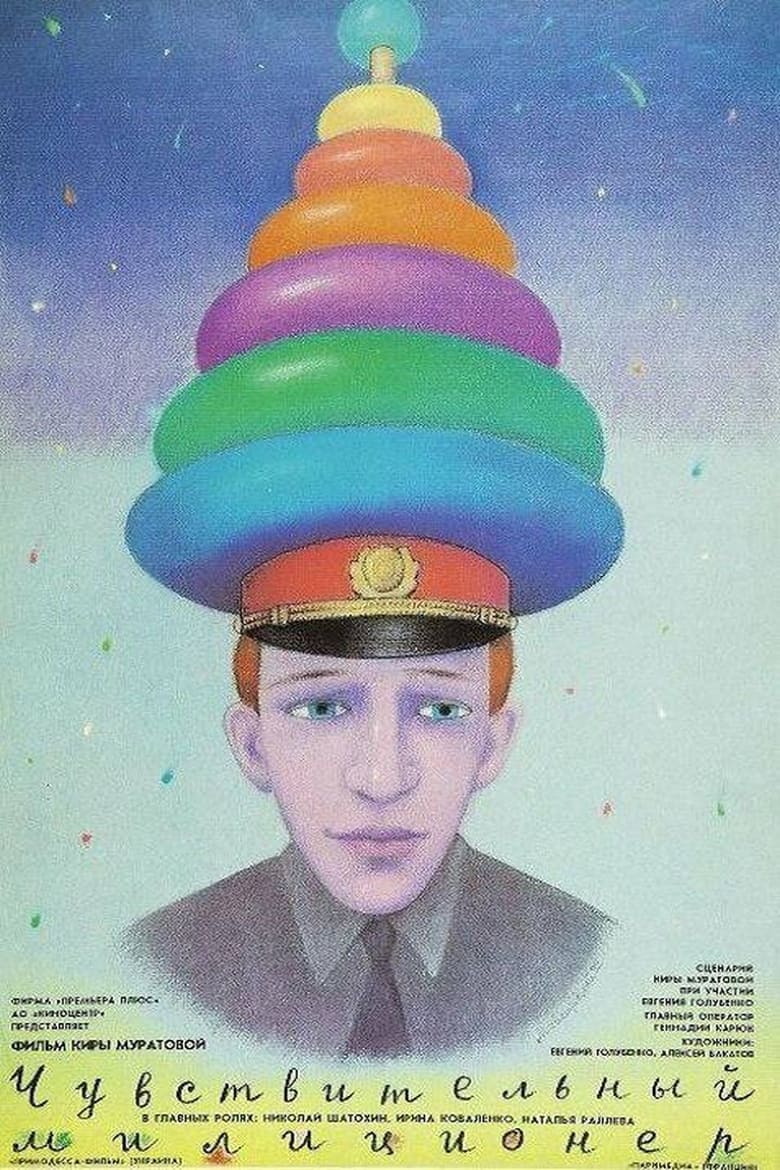
In this affectionate, leisurely paced comedy, an Odessa policeman is out walking his beat when he discovers an adorable infant abandoned in a cabbage patch. He does his duty and takes the baby to an orphanage, but later he and his wife, who have an unusually affectionate and cozy relationship, decide to try and adopt the little one. What they must go through to accomplish that goal is anything but straightforward.
Overall Score
Fair
Category Breakdown
LGBTQ+ Representation
The film lacks explicit depictions of non-cisnormative identities or same-sex intimacy. While it explores unconventional interpersonal connections, it remains neutral without overt prejudice or specific representation.
Gender Representation
The narrative subverts traditional masculine archetypes by centering on a sentimental, rather than stoic, policeman. The protagonist's relationship with his wife avoids rigid patriarchal structures in favor of emotional fluidity.
Racial & Ethnic Diversity
Set in the late Soviet Union, the film reflects the demographic homogeneity of its era. There is no evidence of color-blind casting or significant racial blending within the localized setting.
Religious & Cultural Diversity
The film excels by using an absurdist lens to critique state institutions and bureaucracy. It prioritizes individual human experience and situational ethics over rigid religious or state dogmas.
Disability Representation
Characters exhibit non-conformist social behaviors and absurd temperaments. However, these traits serve a postmodern aesthetic rather than providing specific, agency-driven narratives regarding disability.
Strengths
Areas for Improvement
AI Analysis
Kira Muratova’s work succeeds in deconstructing social hierarchies and traditional authority. By replacing the stoic archetype of the policeman with a sentimental figure, the film challenges conventional masculine leadership and institutional stability. The film's strength lies in its cultural critique and its ability to present a nuanced, morally relative landscape. It uses absurdity to navigate the fragmentation of the late-Soviet era, prioritizing human eccentricity over systemic order. However, the film is limited by its demographic homogeneity. The lack of racial diversity and explicit LGBTQ+ representation keeps the score from reflecting a broader intersectional scope.
1999
2009
1994
1936

2017

2013

1989
2003

1985

2019

2018

1989
No reviews yet. Be the first to share your thoughts on this movie!
Use the rating form above to leave a star rating and optional review.