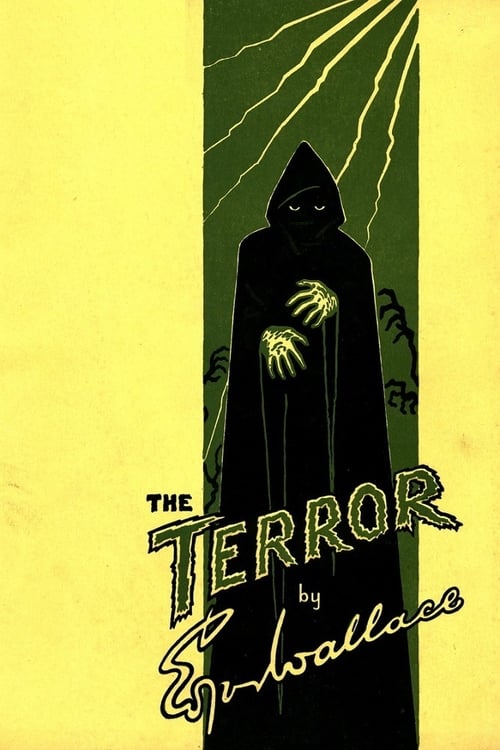
The Terror
1928
No user ratings available yet
Representation score: 1.1 out of 10
Representation Score
Limited
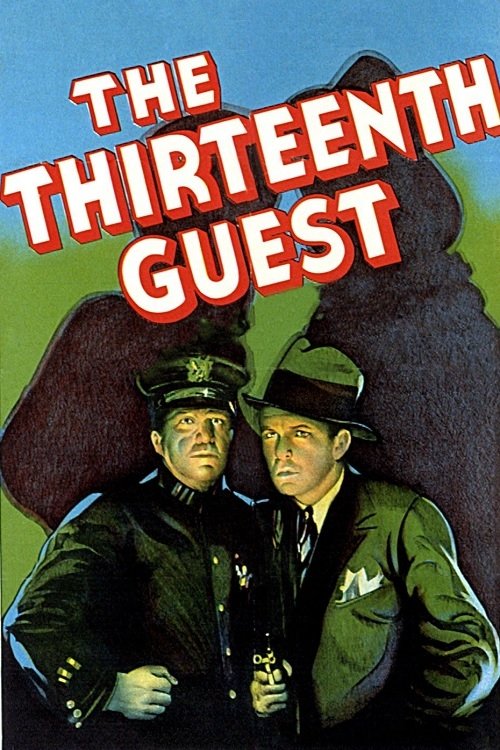
1932
PassedDirector
Albert Ray
Runtime
69 minutes
Average Rating
No ratings yetNew Showbiz Analysis
The Thirteenth Guest is a standard early sound-era mystery that prioritizes genre clichés over social critique. It operates within the conventional cinematic frameworks of 1932, emphasizing suspense and retribution. The film's narrative structure reinforces existing social hierarchies without questioning them. It relies on a homogeneous, upper-class setting that lacks depth in representing multiple aspects of diversity. Ultimately, the work reflects the era's focus on traditional social structures, offering limited modern diversity or inclusive storytelling.
Category Breakdown
The film does not include any representation of LGBTQ+ identities or same-sex relationships. It follows the assumption that everyone is straight and cisgender, which was common in 1932 cinema.
While the mystery genre can offer opportunities for women to play significant roles, the film likely sticks to the traditional gender hierarchies of the time. There is no clear evidence of women having equal intellectual standing.
The casting seems to reflect the homogeneous demographics typical of early 1930s Western films. The story centers around a traditional, likely white, upper-class social circle.
The story focuses on a closed-circle dinner party that emphasizes Western social customs. It uses standard revenge clichés without challenging established class structures.
There is no indication of characters with visible or invisible disabilities. The narrative does not use disability as a plot device or caricature.
Present on Screen
Limited or Absent
Official Synopsis
Thirteen years after a dinner party in which the thirteenth guest failed to arrive, the remaining guests are being murdered one by one, and their bodies being placed at the same dinner table in the appropriate seats they occupied thirteen years prior.
1928
1942
1934
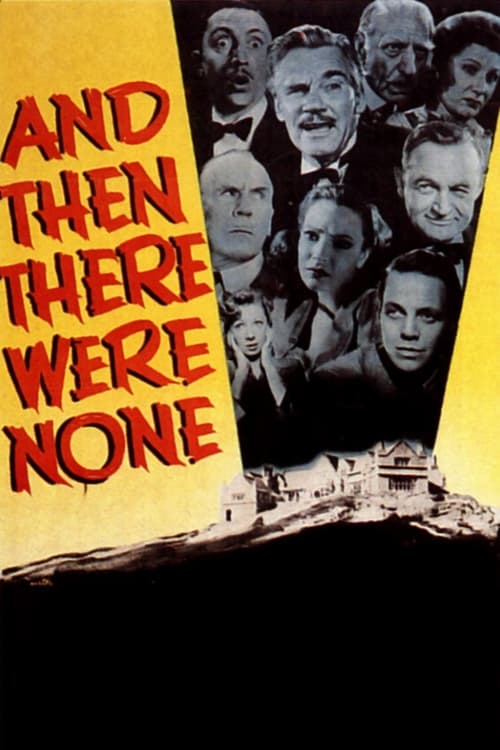
1945
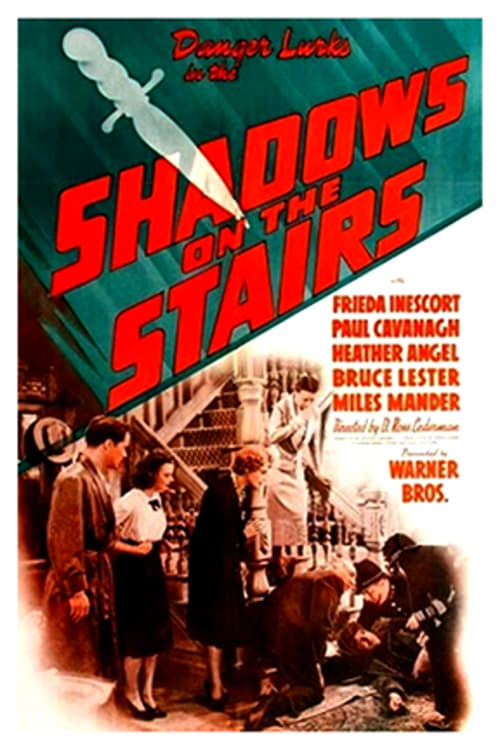
1941
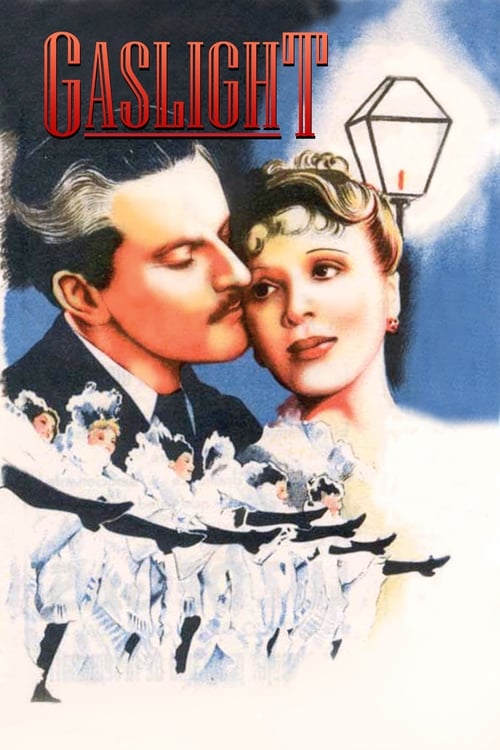
1940
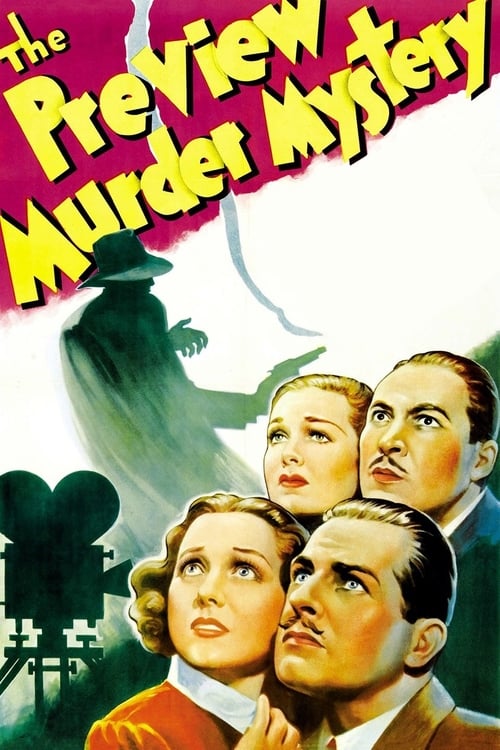
1936
1973
No reviews yet. Be the first to share your thoughts on this movie!
Use the rating form above to leave a star rating and optional review.