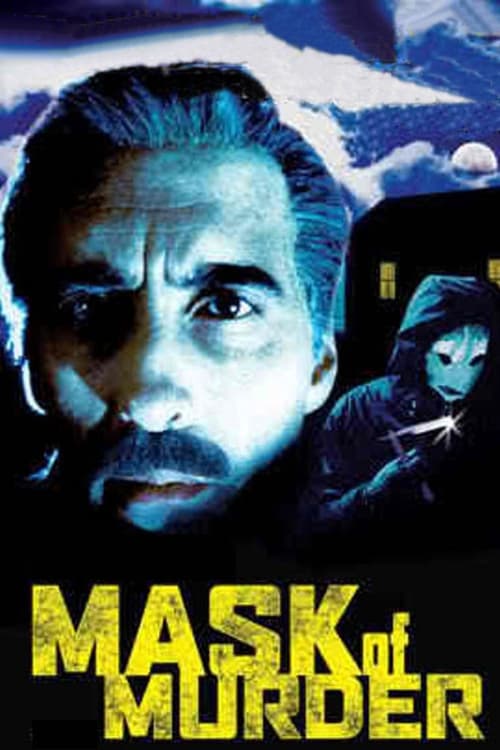
Mask of Murder
1985
No user ratings available yet
Representation score: 1.8 out of 10
Representation Score
Minimal
1962
Director
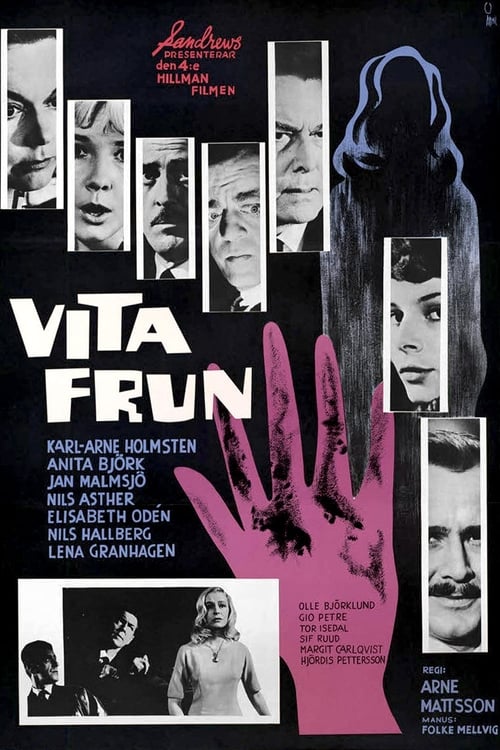
Arne Mattsson
Runtime
110 minutes
Average Rating
No ratings yetNew Showbiz Analysis
Lady in White is a period-specific psychological thriller that prioritizes atmospheric suspense over social commentary. It functions as a traditional gothic mystery, using established genre clichés to drive its narrative of murder and superstition. The film reflects the demographic and cultural constraints of its 1910s Swedish setting and 1962 production. It maintains a historical status quo, lacking the multi-layered complexity or systemic deconstruction found in more progressive modern cinema. Ultimately, the work serves as a stylistic genre piece rather than a vehicle for social subversion, focusing on individual psychological tension within a homogeneous social framework.
Category Breakdown
The film focuses on gothic clichés and psychological suspense. It includes no LGBTQ+ identities or same-sex intimacy, sticking closely to the traditional social structures of early 20th-century Sweden.
The main roles are played by the detective and a child protagonist. While a female character is central to the mystery, the film relies on standard genre archetypes rather than challenging gender hierarchies.
Set in 1910s Sweden, the film reflects the demographic homogeneity of its time. The cast and setting depict a predominantly Nordic environment without any evidence of racial diversity.
The narrative functions as a traditional gothic mystery within a conventional moral framework. It does not prioritize secularism or critique Western institutions like the family or the state.
The story explores psychological perception and the line between reality and superstition. There is no evidence of characters with disabilities being given meaningful roles or nuanced portrayals.
Present on Screen
Limited or Absent
Official Synopsis
A ghost called Vita Frun (White Lady) is accused of several murders. Detective Hillman is contacted to resolve the case.
1985
1972
1958
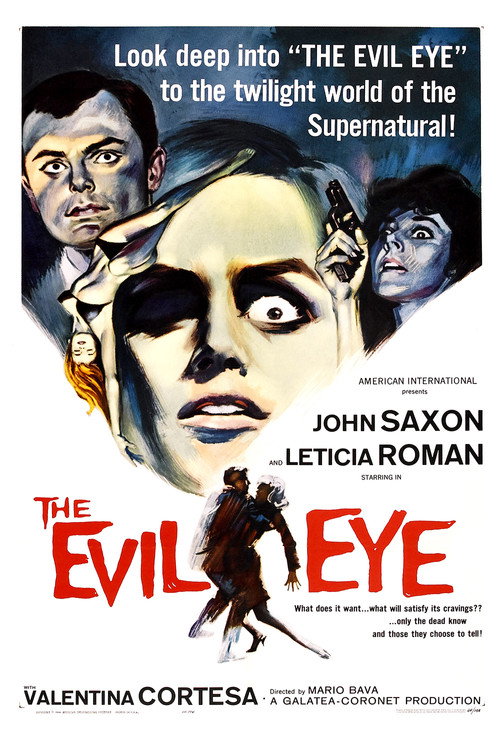
1963
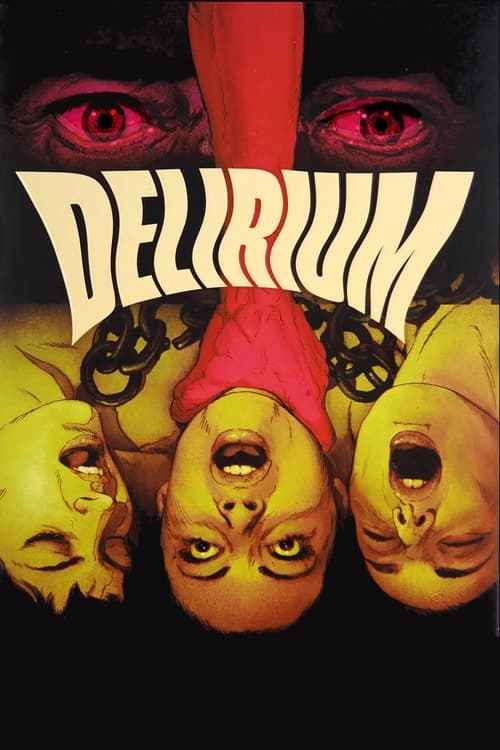
1972
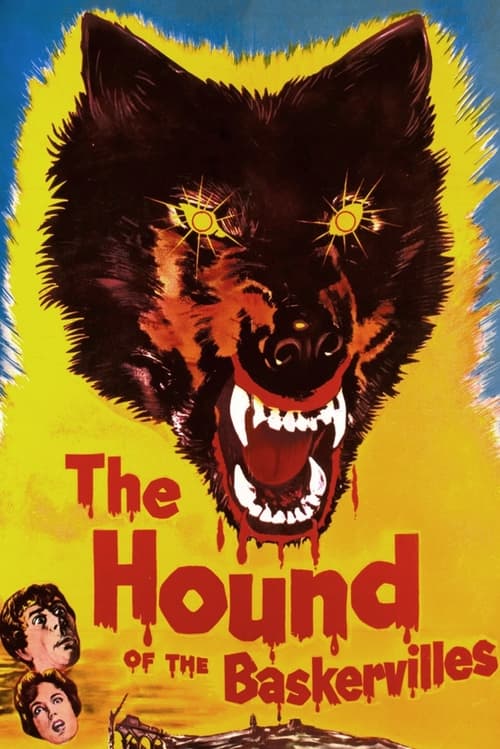
1959
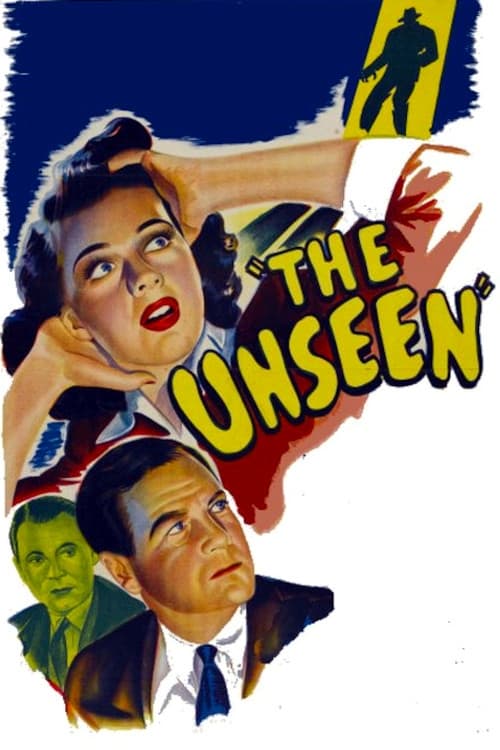
1945
1971
No reviews yet. Be the first to share your thoughts on this movie!
Use the rating form above to leave a star rating and optional review.