
Totò Looking for Wife
1950
No user ratings available yet
Representation score: 2.4 out of 10

Representation Score
Limited
1951
Director
Vittorio Metz, Marcello Marchesi
Runtime
81 minutes
Average Rating
No ratings yetNew Showbiz Analysis
Seven Hours of Troubles is a mid-century Italian comedy that adheres closely to the social hierarchies of its time. The narrative revolves around traditional family structures, religious milestones, and patriarchal roles, providing very little in the way of identity-based representation or social subversion. While the film uses domestic chaos to drive its comedy, it leans into conventional norms rather than challenging them. The focus remains on a localized, homogeneous social setting that reflects the era's cultural landscape.
Category Breakdown
The film does not include any LGBTQ+ characters or narratives. The storyline focuses on traditional marriage and a child's baptism, emphasizing the social norms of the time.
Female characters such as the wet nurse and grandmother play key roles in driving the plot, but they mainly serve as catalysts for the male protagonist. The story reinforces traditional family duties and gender roles.
The setting appears localized and homogeneous within 1951 Italy. There is no evidence of racial diversity or non-human metaphors for identity.
The narrative relies heavily on Western religious institutions, particularly the milestone of a baptism. It uses these traditional structures as the framework for its comedic conflicts.
There is no information available regarding the depiction of physical or mental disabilities in this film.
Present on Screen
Limited or Absent
Official Synopsis
Totò is a tailor but not a great tailor. He is married and his son is to be baptized and Totò hopes that his grand-mother will be moved by the baptism, so moved to help him. Unfortunately his wet nurse Maria loses his son in the garden. Totò doesn't lose heart and rents Rita's daughter and leaves looking for his son. Many adventures are awaiting for him.
1950
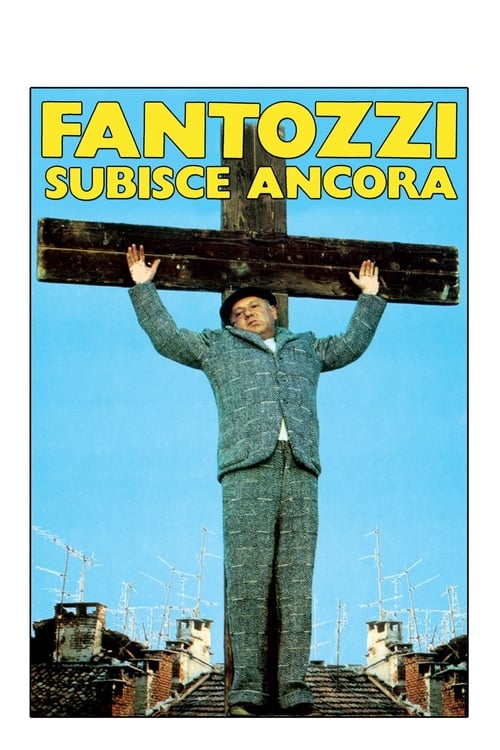
1983

1950
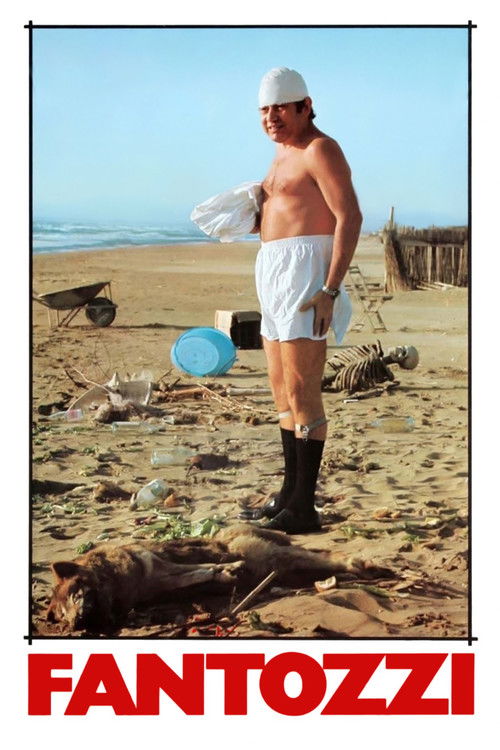
1975

1967

1967

1954
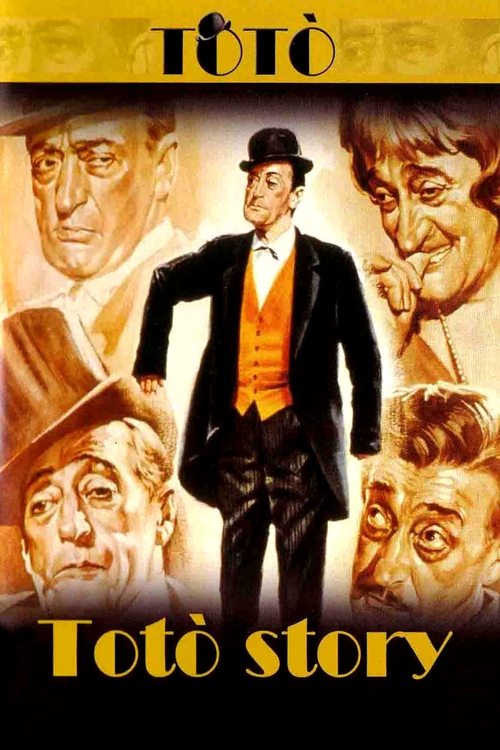
1968
No reviews yet. Be the first to share your thoughts on this movie!
Use the rating form above to leave a star rating and optional review.