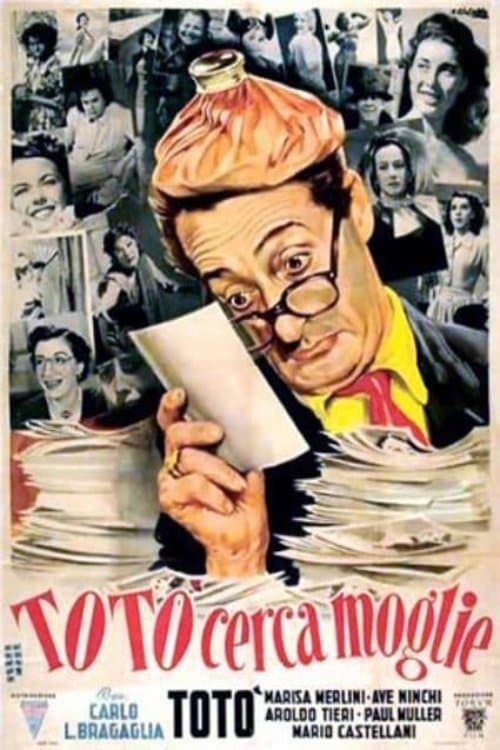
Totò Looking for Wife
1950
No user ratings available yet
Representation score: 2.4 out of 10

Representation Score
Minimal
1950
Director
Carlo Ludovico Bragaglia
Runtime
75 minutes
Average Rating
No ratings yetNew Showbiz Analysis
Le sei mogli di Barbablù is a traditional comedic farce that emphasizes slapstick humor and situational irony over social commentary. The narrative follows a classic folk motif centered on mistaken identity and romantic pursuit. The film adheres to the cinematic standards of 1950, using conventional character types. It does not aim to disrupt social hierarchies or offer diverse perspectives. Overall, the film serves as a typical period comedy, reflecting the homogeneous demographic and social norms of its time without challenging them.
Category Breakdown
The film does not include any characters with non-straight identities. The plot revolves around a typical romantic pursuit between a man and a woman.
The story relies on traditional mid-century gender roles. Female characters are defined by their looks and traditional pursuits rather than challenging gender norms.
As a 1950 Italian film, the cast is predominantly white. The story focuses on a typical Western social framework without any racial diversity.
The storyline follows a traditional folklore structure. It upholds established social norms and romantic conventions without presenting any anti-institutional or secularist viewpoints.
There are no characters with visible or hidden disabilities. The emphasis on physical ugliness suggests a reliance on superficial physical traits rather than nuanced disability portrayal.
Present on Screen
Limited or Absent
Official Synopsis
Young swain Toto Esposito tries to abduct his beloved to marry her, but he makes a mistake: he kidnaps an ugly woman named Carmela, who loves him--and chases him when he escapes.
1950

1952
1967
1991

1951
1967
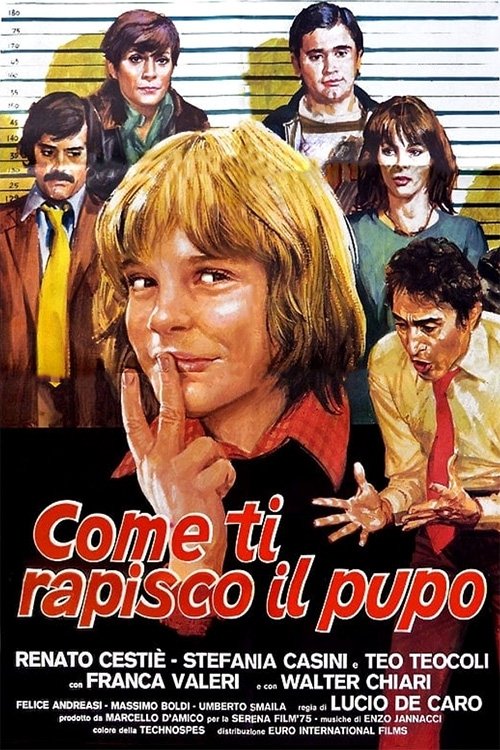
1976
2011
No reviews yet. Be the first to share your thoughts on this movie!
Use the rating form above to leave a star rating and optional review.