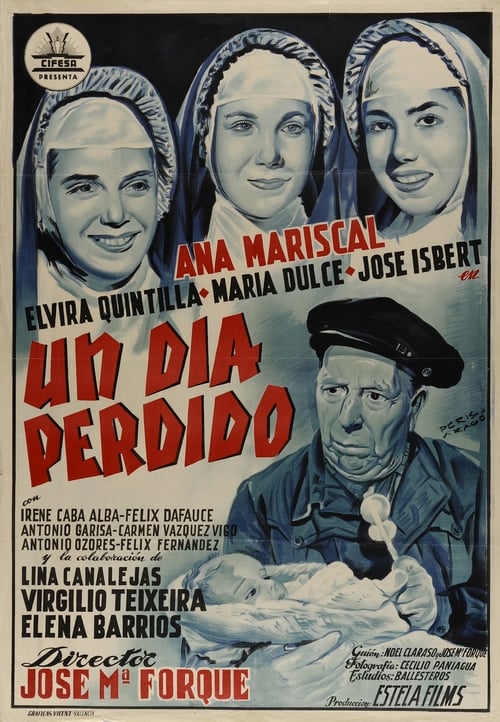
Un día perdido
1955
No user ratings available yet
Representation score: 3.3 out of 10
Representation Score
Limited
1960
Director
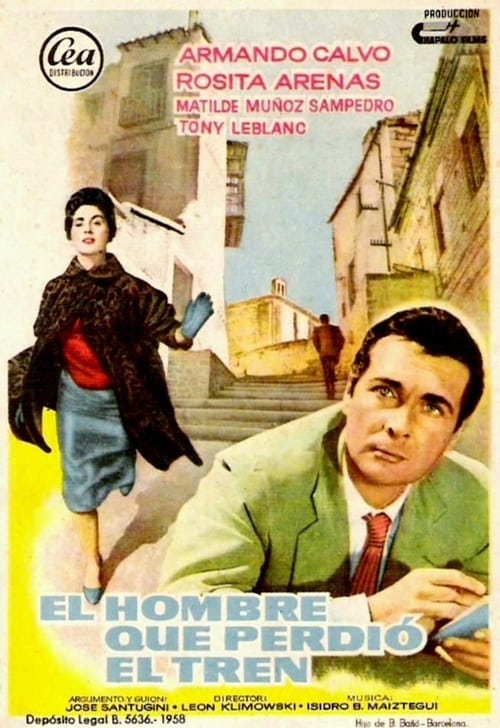
León Klimovsky
Runtime
88 minutes
Average Rating
No ratings yetNew Showbiz Analysis
El hombre que perdió el tren functions as a standard artifact of 1960s commercial comedy. It prioritizes situational humor and genre adherence over any meaningful social critique or representation of diverse identities. The film reinforces the traditional social hierarchies and demographic norms of its era. It lacks the narrative structure needed to challenge the status quo or provide visibility to underrepresented groups. Ultimately, the work is a product of its historical context, offering a conventional viewing experience that aligns with the conservative cinematic standards of the time.
Category Breakdown
The film does not include visible LGBTQ characters or identities. It seems to follow the strict heterosexual norms typical of 1960s Spanish-language cinema.
The comedy relies on traditional gender roles and domestic hierarchies. Women do not challenge patriarchal structures or exercise significant influence.
The production reflects the homogeneous demographics of early 1960s mainstream cinema. It lacks diverse casting or any disruption of the era's standard demographic norms.
The narrative operates within the moral frameworks of mid-century Mediterranean and Latin American societies. It avoids themes that challenge traditional institutions like religion or family.
There are no characters with physical or neurodivergent disabilities. No specific character arcs involving disability are present in the work.
Present on Screen
Limited or Absent
1955
1960
1970
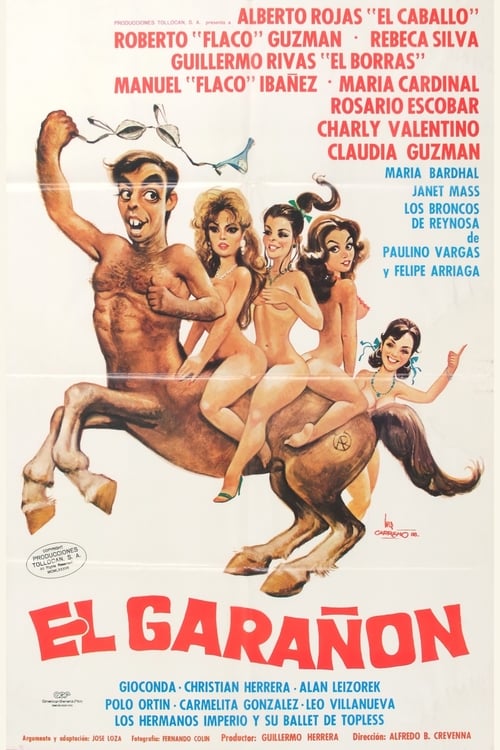
1989
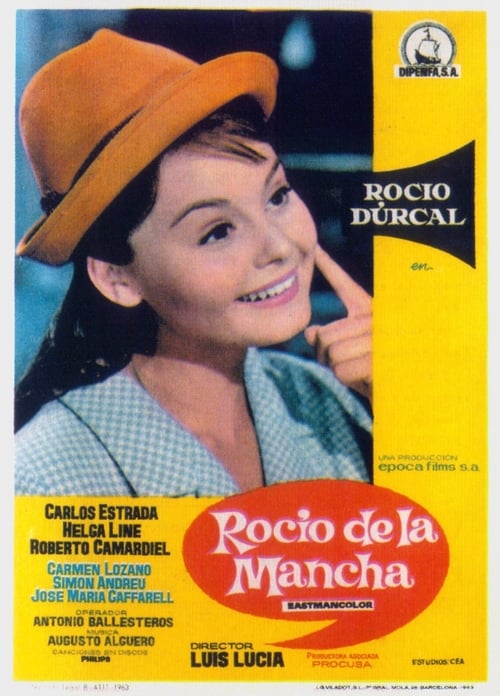
1963
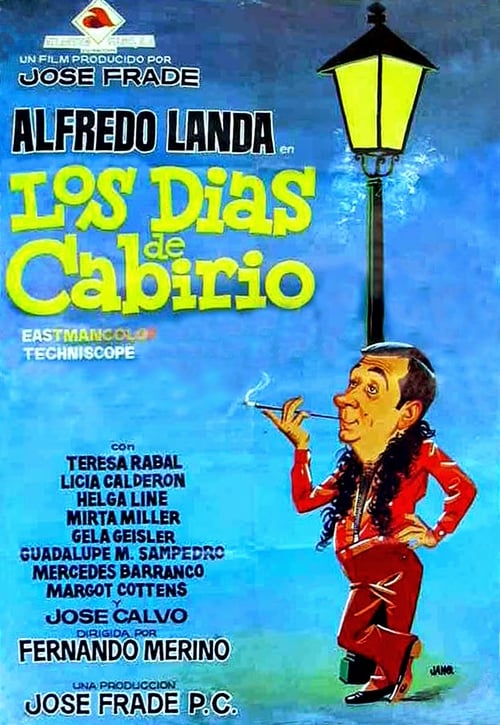
1971

1971

1970
No reviews yet. Be the first to share your thoughts on this movie!
Use the rating form above to leave a star rating and optional review.