
A Natale mi sposo
2010
No user ratings available yet
Diversity score: 3.2 out of 10
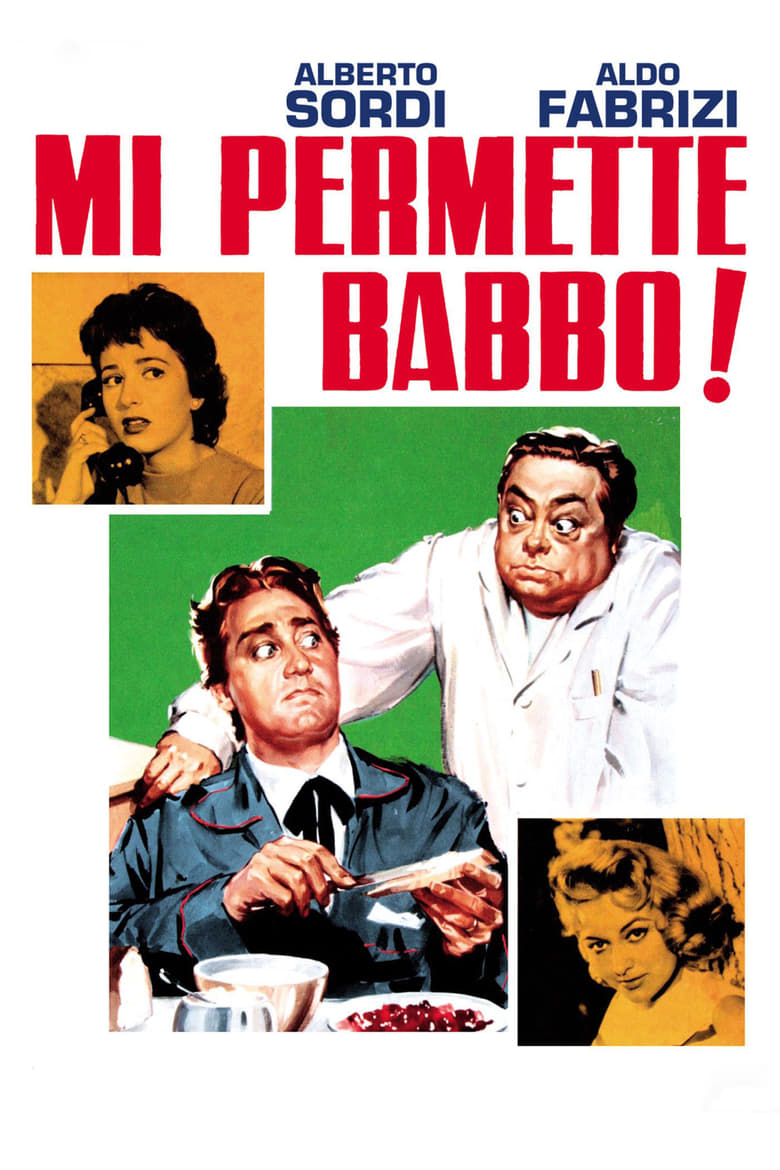
1956
Director
Mario Bonnard
Runtime
86 minutes
Average Rating
No ratings yetSynopsis
While Rodolfo tries to become a lyric singer, his lifestyle deeply annoys his father-in-law.
Overall Score
Limited
Category Breakdown
LGBTQ+ Representation
The film appears to prioritize heteronormative domesticity typical of its era. There is no evidence of non-cisnormative identities or critiques of traditional social structures.
Gender Representation
The narrative focuses on masculine hierarchies and professional status. The central conflict revolves around male authority and the tension between a man and his father-in-law.
Racial & Ethnic Diversity
The production reflects the homogeneous social landscape of 1956 Italy. There is no indication of intersectional casting or the subversion of ethnic norms.
Religious & Cultural Diversity
The story aligns with traditional Western values regarding family hierarchy. It operates within a framework of conventional social morality rather than challenging established institutions.
Disability Representation
There is no evidence regarding the inclusion or portrayal of characters with physical or neurodivergent disabilities.
Strengths
Areas for Improvement
AI Analysis
Mario Bonnard’s comedy is a product of its time, focusing on the domestic friction between a man's professional ambitions and patriarchal authority. The film adheres strictly to the social mores of post-war Italy, utilizing traditional generational tropes to drive its situational humor. Because the narrative centers on male-driven conflicts and established social hierarchies, it lacks the complexity required for modern intersectional representation. It functions as a period-specific character study rather than a tool for social deconstruction. Ultimately, the film reinforces the status quo of the 1950s, offering a localized look at family dynamics without expanding its scope to include diverse identities or marginalized perspectives.
2010
1951
1973
1951
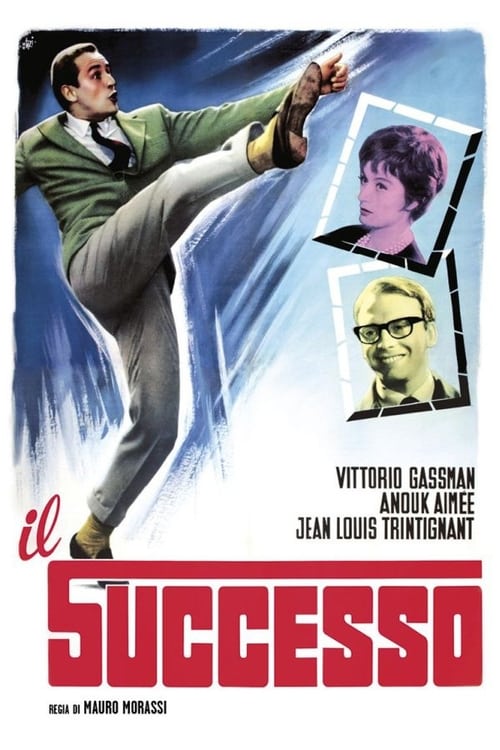
1963
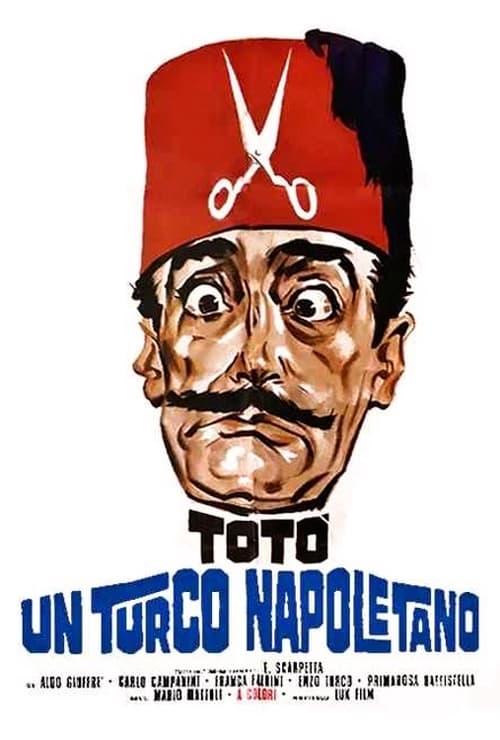
1953

2018
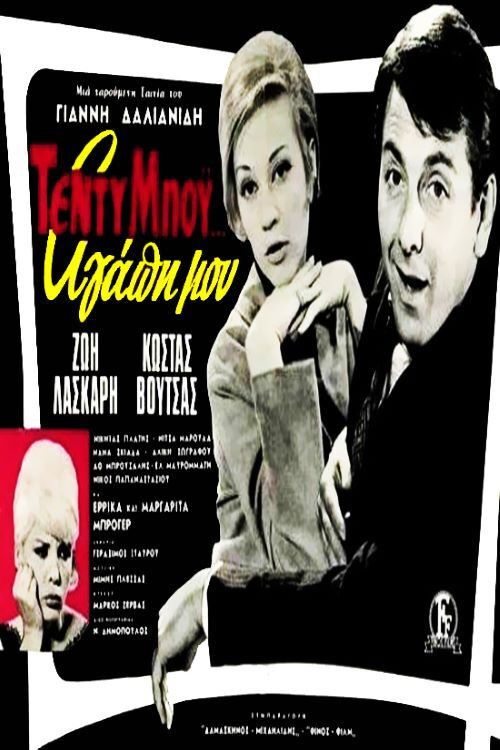
1965
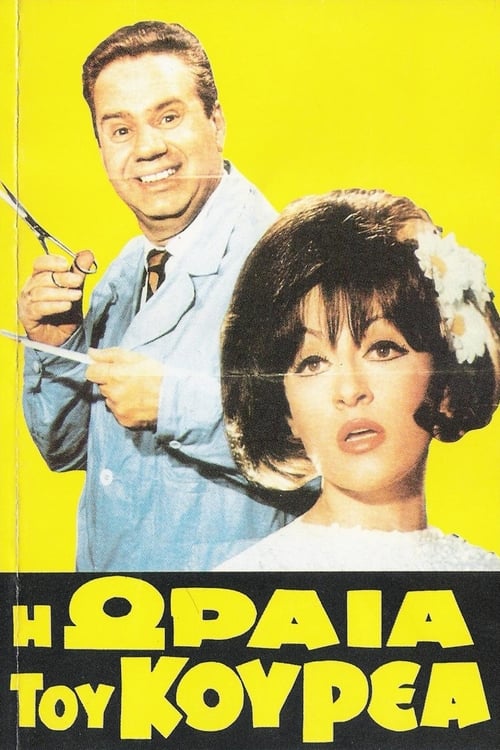
1969
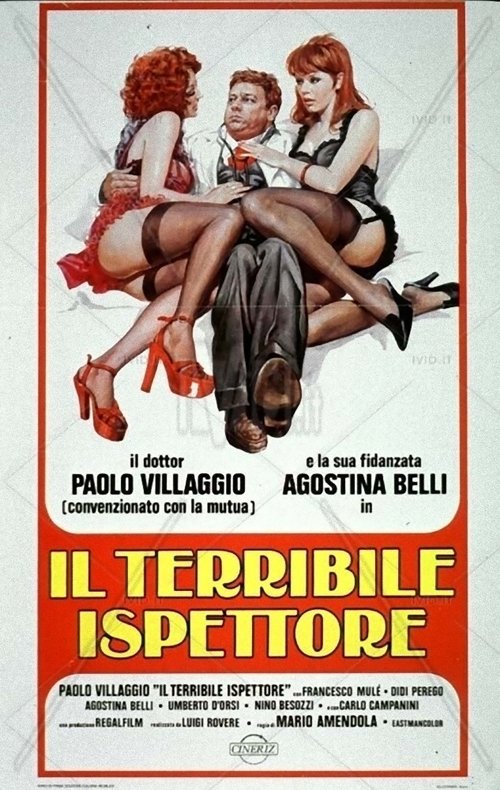
1969
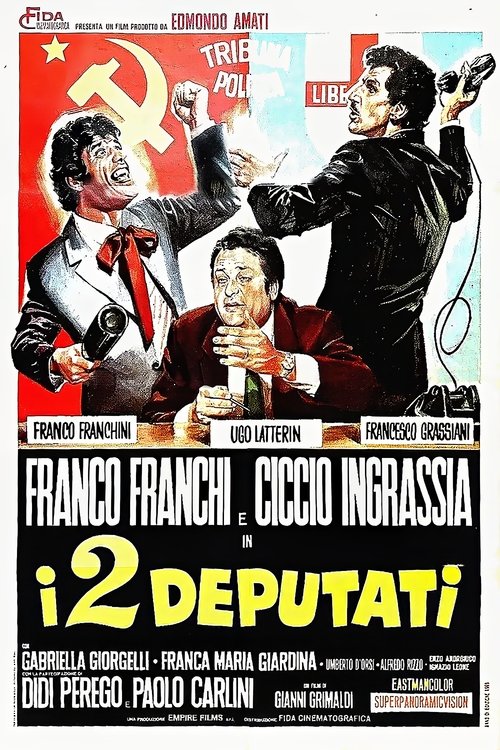
1969

2002
No reviews yet. Be the first to share your thoughts on this movie!
Use the rating form above to leave a star rating and optional review.