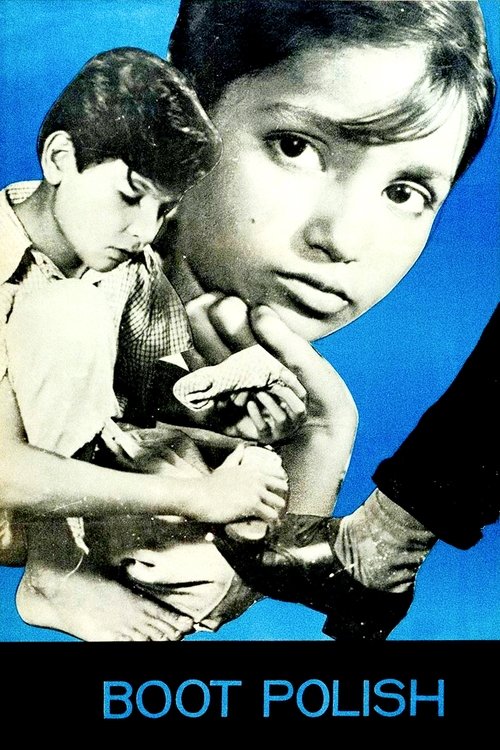
Boot Polish
1954
No user ratings available yet
Representation score: 6.0 out of 10

Representation Score
Limited
1968
Not RatedDirector
K. Balachander
Runtime
165 minutes
Average Rating
No ratings yetNew Showbiz Analysis
Ethir Neechal is a period-specific social drama that excels in portraying the socioeconomic struggles of its time. By focusing on an orphan facing exploitation, the film creates a compelling class-based tension. However, the film remains confined to the social norms of its era, lacking the layered critique of modern progressive works.
Category Breakdown
The film follows traditional assumptions about relationships and gender, with no depictions of LGBTQ+ identities or non-traditional gender roles. It does not challenge conventional romantic structures.
Female characters have psychological depth and play significant roles in the story, avoiding purely submissive stereotypes. However, the film upholds traditional gender hierarchies and does not challenge male dominance.
The cast reflects the cultural norms of 1960s South Indian cinema, showing a homogeneous representation of the region’s working-class identity.
The story emphasizes socioeconomic struggles and individual resilience, reinforcing traditional values without critiquing broader societal or capitalist systems.
The film does not include characters with physical or cognitive disabilities, nor do such conditions significantly influence the narrative.
Present on Screen
Limited or Absent
Official Synopsis
Maadhu, an orphan who lives under the staircase of a building, runs errands for everyone who lives there in return for shelter and food. He is exploited by everyone who lives there until he falls for a girl who moves into the building.
1954

1978

1977

1976

1987

2005

1980
1955
No reviews yet. Be the first to share your thoughts on this movie!
Use the rating form above to leave a star rating and optional review.