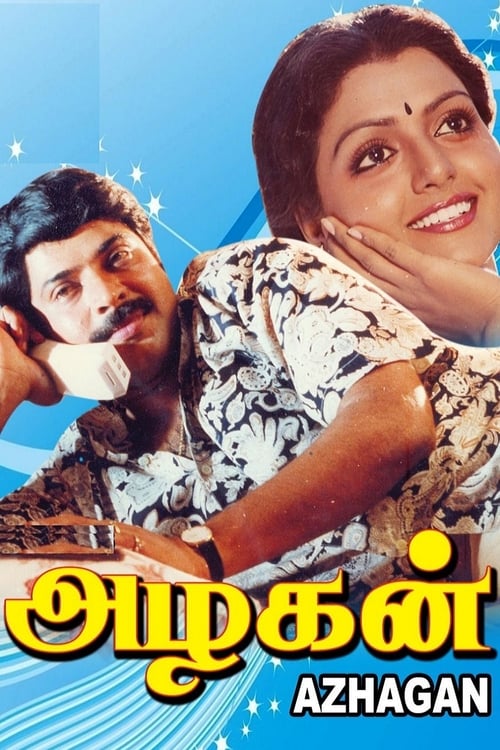
Azhagan
1991
No user ratings available yet
Representation score: 5.7 out of 10
Representation Score
Fair
1977
Director
K. Balachander
Runtime
167 minutes
Average Rating
No ratings yetNew Showbiz Analysis
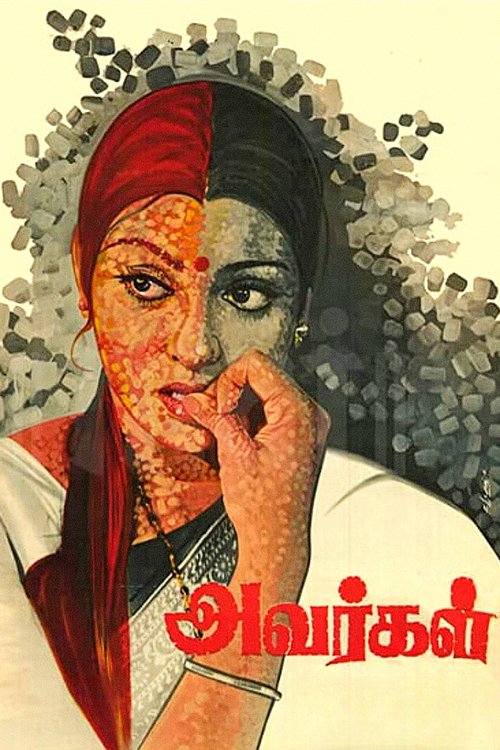
K. Balachander’s *Avargal* is a significant feminist-oriented film that challenges mid-century domestic norms. Its main strength lies in the sophisticated exploration of gender dynamics, emphasizing the internal lives and ability to act of women over patriarchal structures. The film excels at dismantling the idealized domestic unit through the nuanced portrayal of female solidarity. By focusing on the complexities of achieving autonomy, it transcends the traditional submissive wife archetype prevalent in its time. However, the film lacks contemporary markers of diversity. It remains rooted in heterosexual norms and lacks LGBTQ+ visibility or overt critiques of institutional power, focusing instead on personal emotional consequences.
Category Breakdown
The film follows a traditional dramatic structure centered around heterosexual relationships. There are no representations of LGBTQ+ narratives or non-binary gender identities.
The story highlights the ability to act and psychological independence of three sisters. It challenges the idealized feminine role by showing the tension between personal desires and societal constraints.
The film offers a meaningful look at regional identity through a predominantly South Indian cast. It centers a non-Western cultural viewpoint within an urban middle-class environment.
The story explores moral relativism concerning marriage and personal happiness. It emphasizes interpersonal ethics rather than broader social or institutional critiques.
There is no significant representation of characters with visible or invisible disabilities as central plot devices or portrayed with specific ability to act.
Present on Screen
Limited or Absent
Official Synopsis
After a break-up with her boyfriend and a troubled marriage with Ramanathan, Anu is devastated. She finds solace when she meets Janardhan however, her troubled past soon catches up with her.
1991
2009
1976
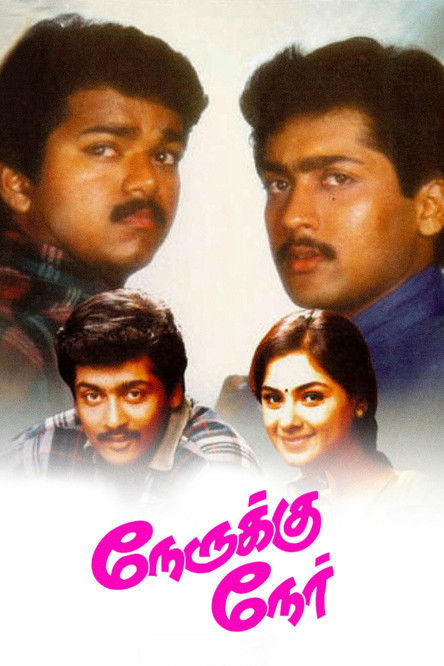
1997
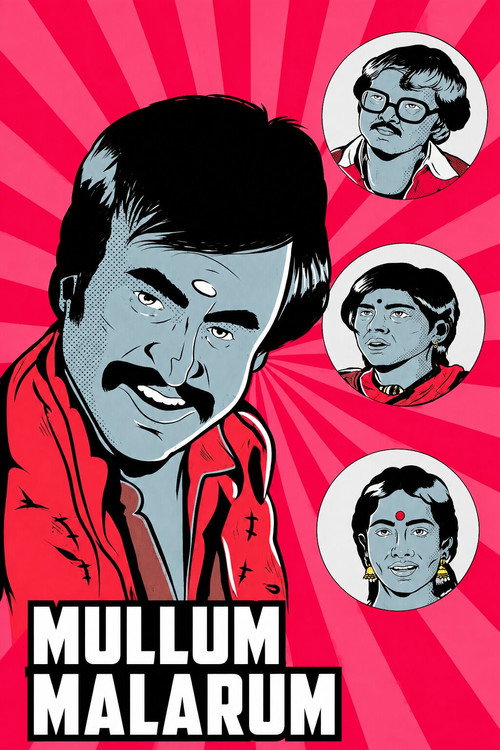
1978
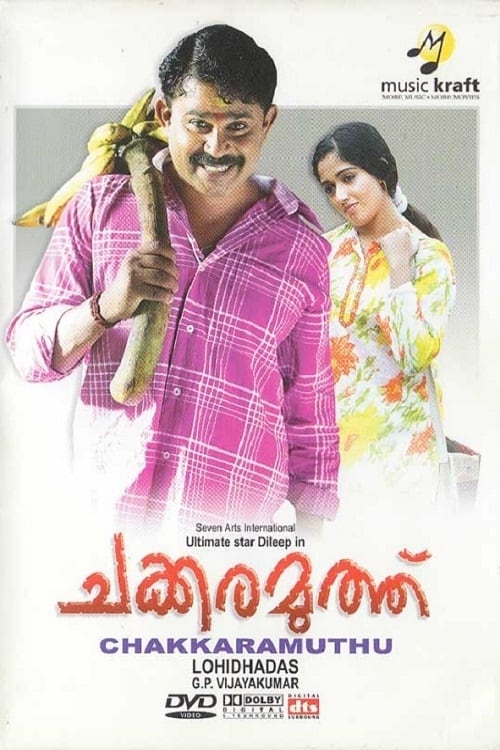
2006
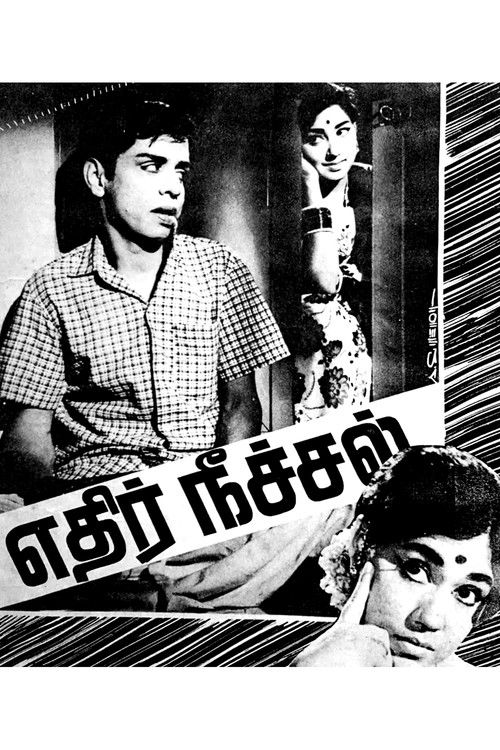
1968
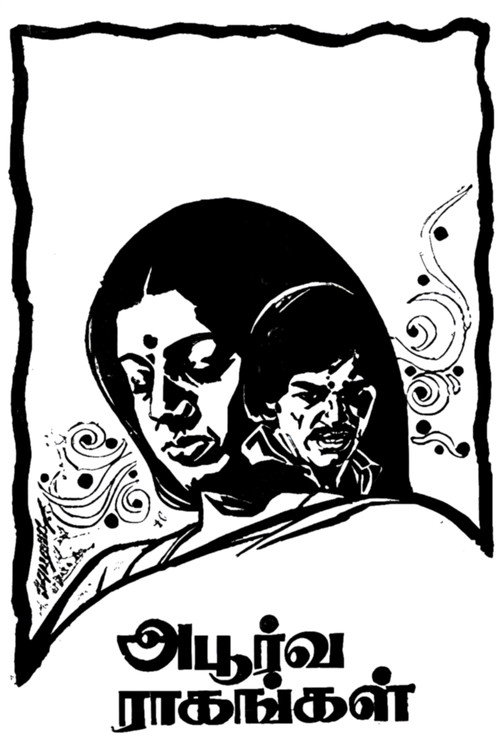
1975
No reviews yet. Be the first to share your thoughts on this movie!
Use the rating form above to leave a star rating and optional review.