
Ee Puzhayum Kadannu
1996
No user ratings available yet
Representation score: 3.0 out of 10
Representation Score
Fair
1978
Not RatedDirector
J. Mahendran
Runtime
135 minutes
Average Rating
No ratings yetNew Showbiz Analysis
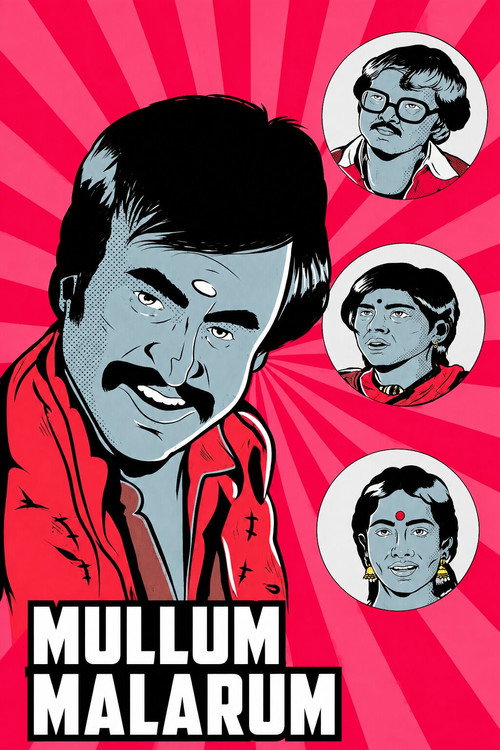
Mullum Malarum stands out for its realistic depiction of rural life, breaking away from the stylized melodrama typical of 1970s Indian cinema. By highlighting the working class, it challenges the idea that urban life is superior and shifts attention from conventional cinematic themes. Though the film does not include specific LGBTQ+ identities or disability stories, it excels in its portrayal of everyday life. It replaces theatrical conventions with a detailed look at the realities of the region’s population. Overall, the film offers a thoughtful examination of socioeconomic struggles through the lens of labor and survival.
Category Breakdown
The film focuses on traditional family and work relationships without depicting non-traditional gender identities or same-sex relationships.
Female characters are portrayed with emotional depth and realism, avoiding stereotypes common in the era. Masculinity is shown through vulnerability rather than exaggerated toughness.
The film authentically portrays the rural life of South India, focusing on the working class to move away from urban and upper-caste norms.
The story highlights the tension between rural and urban life, emphasizing the value of labor and humanistic ethics over strict religious teachings.
The film does not prominently feature characters with physical or neurological differences.
Present on Screen
Limited or Absent
Official Synopsis
A young man, Kaali and his sister, Valli, who were orphaned as children, share a close bond. However, their relationship gets strained as Kaali butts heads with a newly appointed engineer from the city.
1996
1989
1985
2019
2001
1961
1984
1977
No reviews yet. Be the first to share your thoughts on this movie!
Use the rating form above to leave a star rating and optional review.