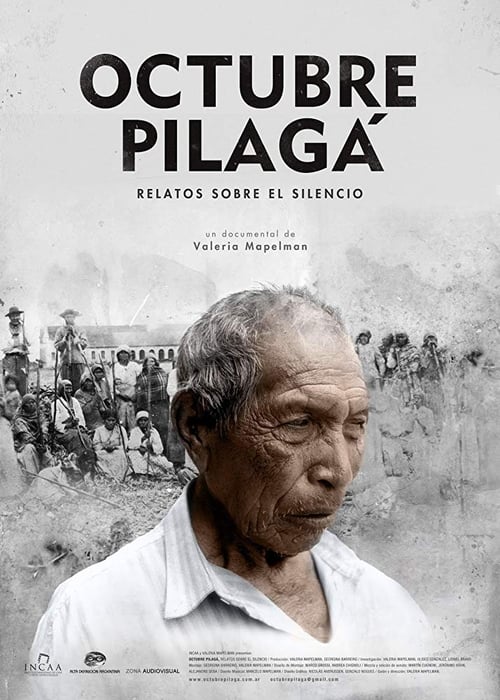
Octubre Pilagá, relatos sobre el silencio
2010
No user ratings available yet
Representation score: 4.5 out of 10
Representation Score
Fair
2018
Director
Carlos Vásquez Méndez, Teresa Arredondo
Runtime
80 minutes
Average Rating
No ratings yetNew Showbiz Analysis
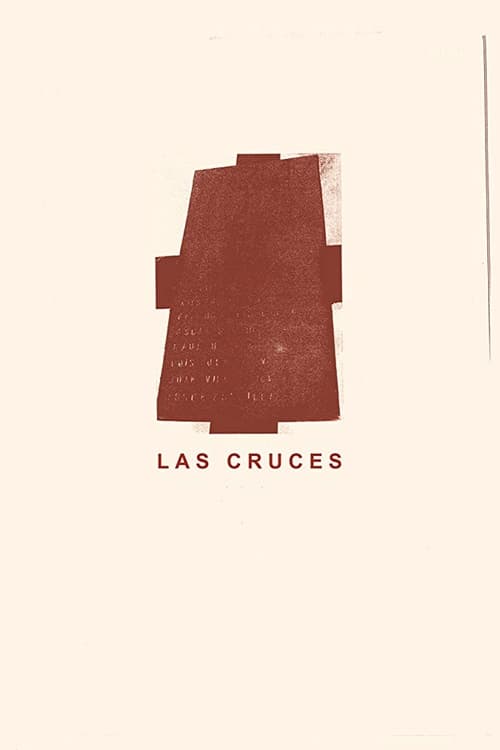
Las Cruces is an investigative documentary that prioritizes the truth of the oppressed over institutional stability. It excels in disrupting official historical narratives by exposing systemic violence and corporate involvement in political murders. The film centers the lived experiences of underrepresented labor-class identities and challenges the morality of established power structures. However, it lacks representation in contemporary identity categories such as LGBTQ+ themes or neurodivergent perspectives.
Category Breakdown
The film focuses on political violence and corporate complicity. There are no visible LGBTQ+ characters or themes related to non-straight relationships.
The story centers on a labor-class struggle and does not challenge traditional gender roles. Female voices are present but specific character breakdowns are not provided.
By highlighting the victimization of local workers, the film emphasizes non-Anglo-Saxon identities. It prioritizes the experiences of a underrepresented group in a Latin American context.
The film challenges Western institutional narratives by criticizing state and corporate corruption. It uncovers a pact of silence around extrajudicial killings, disrupting official histories.
There is no evidence of physical or neurodivergent disabilities being portrayed in this work.
Present on Screen
Limited or Absent
Official Synopsis
In September 1973, 19 paper mill workers were imprisoned and taken to the Laja police station. Six years later, their bodies were found in Yumbel’s cemetery. After almost 40 years, one of the policemen involved broke the pact of silence they had made the night of the killing, revealing the participation of the Paper Manufacturing Company (CMPC) in the murder. Today, the case is still open and awaiting sentence.
2010
2012
2018
2002
2008
2010
2019
2012
No reviews yet. Be the first to share your thoughts on this movie!
Use the rating form above to leave a star rating and optional review.