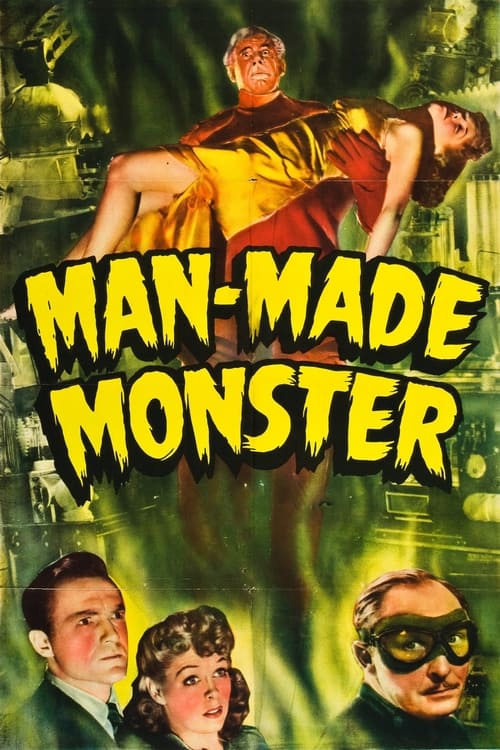
Man-Made Monster
1941
No user ratings available yet
Representation score: 1.6 out of 10
Representation Score
Minimal
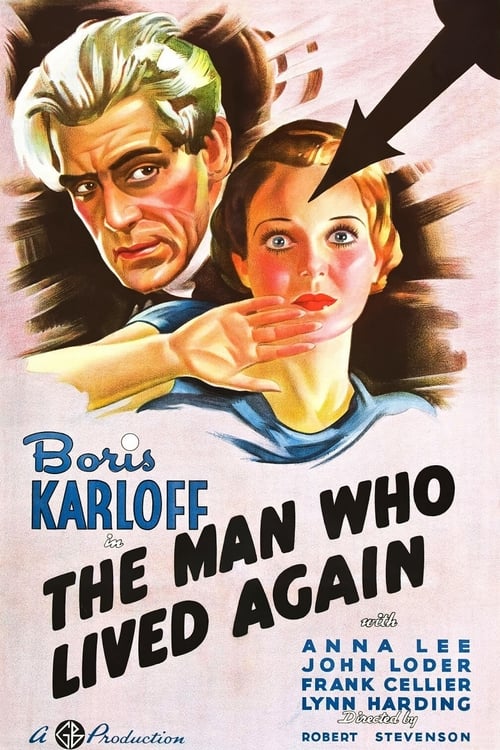
1936
ApprovedDirector
Robert Stevenson
Runtime
66 minutes
Average Rating
No ratings yetNew Showbiz Analysis
The film adheres to the storytelling conventions of the 1930s, focusing on a singular male protagonist, Dr. Laurence, whose descent into madness drives the plot. This narrative structure lacks multi-layered complexity and diverse representation. The story relies on the 'mad scientist' archetype, using psychological instability as a plot device rather than offering meaningful disability representation. The absence of diverse casting and non-straight-centered themes further limits the film's social breadth.
Category Breakdown
The film does not include any representation of LGBTQ+ identities or non-straight-centered relationships. The narrative focuses solely on the protagonist's psychological and professional journey.
The story revolves around a single male character, Dr. Laurence, who holds significant control over the narrative. Female characters and non-traditional gender roles are absent.
There is no evidence of non-white characters or a diverse cast. The film likely reflects the homogeneous casting standards of its time, which may limit representation of different racial backgrounds.
The story explores the conflict between personal ambition and institutional constraints. It follows the classic cliché of a lone individual challenging the established scientific community.
Psychological instability serves as a plot device for the 'mad scientist' cliché. The film does not offer a nuanced exploration of neurodivergence or physical disabilities.
Present on Screen
Limited or Absent
Official Synopsis
Dr. Laurence, a once-respectable scientist, begins to research the origin of the mind and the soul. The science community rejects him, and he risks losing everything for which he has worked. He begins to use his discoveries to save his research and further his own causes, thereby becoming ... a mad scientist, almost unstoppable.
1941
1940
1953
1960
1943
1936
1920
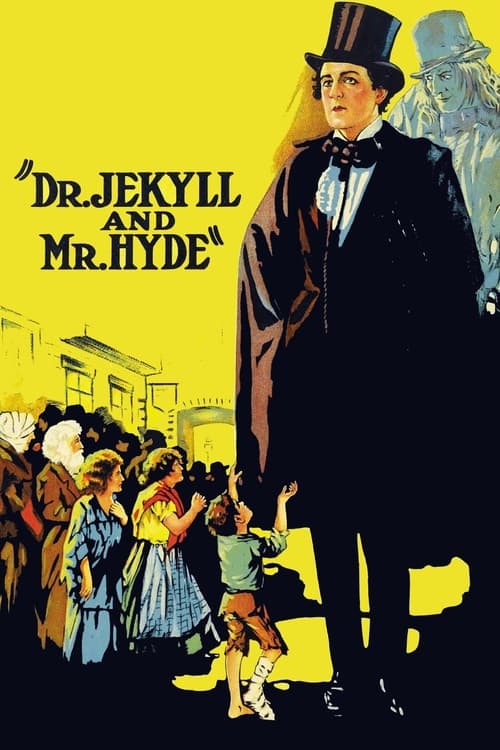
1920
No reviews yet. Be the first to share your thoughts on this movie!
Use the rating form above to leave a star rating and optional review.