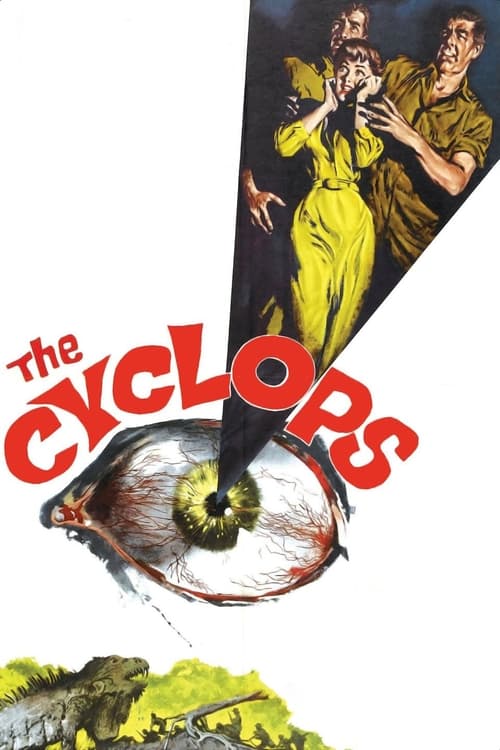
The Cyclops
1957
No user ratings available yet
Representation score: 1.9 out of 10
Representation Score
Minimal
1958
NRDirector
Bert I. Gordon
Runtime
69 minutes
Average Rating
No ratings yetNew Showbiz Analysis
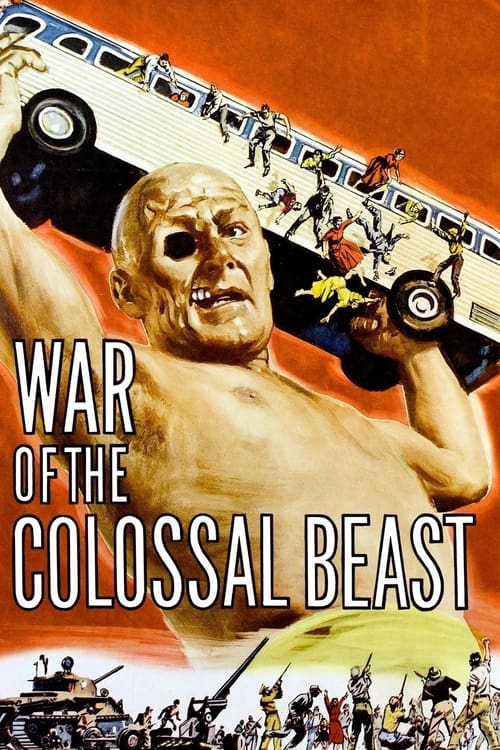
War of the Colossal Beast is a quintessential 1950s science fiction spectacle that prioritizes genre conventions over social commentary. The narrative structure reinforces traditional hierarchies, centering authority within male-dominated military and scientific institutions. Representation is minimal and often serves the plot's horror elements rather than character depth. While the protagonist's physical and cognitive impairments are central to the story, they function primarily to heighten the sense of 'otherness' and threat. Ultimately, the film reflects the era's demographic homogeneity. It lacks intentionality regarding the way different parts of someone's identity overlap, opting instead for established archetypes and a strictly Western-centric worldview.
Category Breakdown
The film contains no LGBTQ+ characters or narratives. It maintains a strictly heterosexual and cisgender social landscape consistent with 1950s cinema.
ability to act is concentrated in male scientific and military authorities. Female characters remain peripheral, serving as reactive elements rather than active decision-makers.
The cast reflects the demographic homogeneity of 1950s B-movies. Despite a setting in rural Mexico, the focus remains on Western institutional responses.
The story prioritizes Western institutional stability, such as the military and scientific community. It functions as a standard man-versus-nature cliché.
The protagonist's disfigurement and cognitive impairment serve as horror clichés. These elements establish threat levels rather than exploring nuanced lived experiences.
Present on Screen
Limited or Absent
Official Synopsis
Glenn Manning, "The Amazing Colossal Man," believed dead after falling from the Hoover Dam, reemerges in rural Mexico, brain damaged, disfigured, and very angry.
1957
1969
1958
1955
1958

1958
1958
1955
No reviews yet. Be the first to share your thoughts on this movie!
Use the rating form above to leave a star rating and optional review.