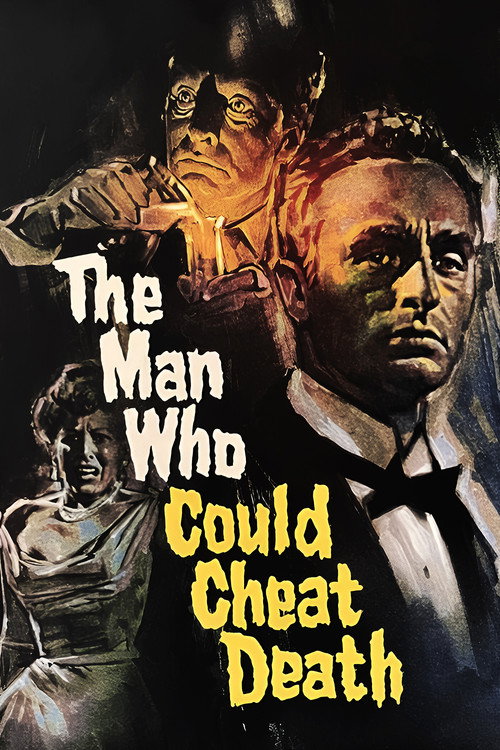
The Man Who Could Cheat Death
1959
No user ratings available yet
Diversity score: 3.4 out of 10
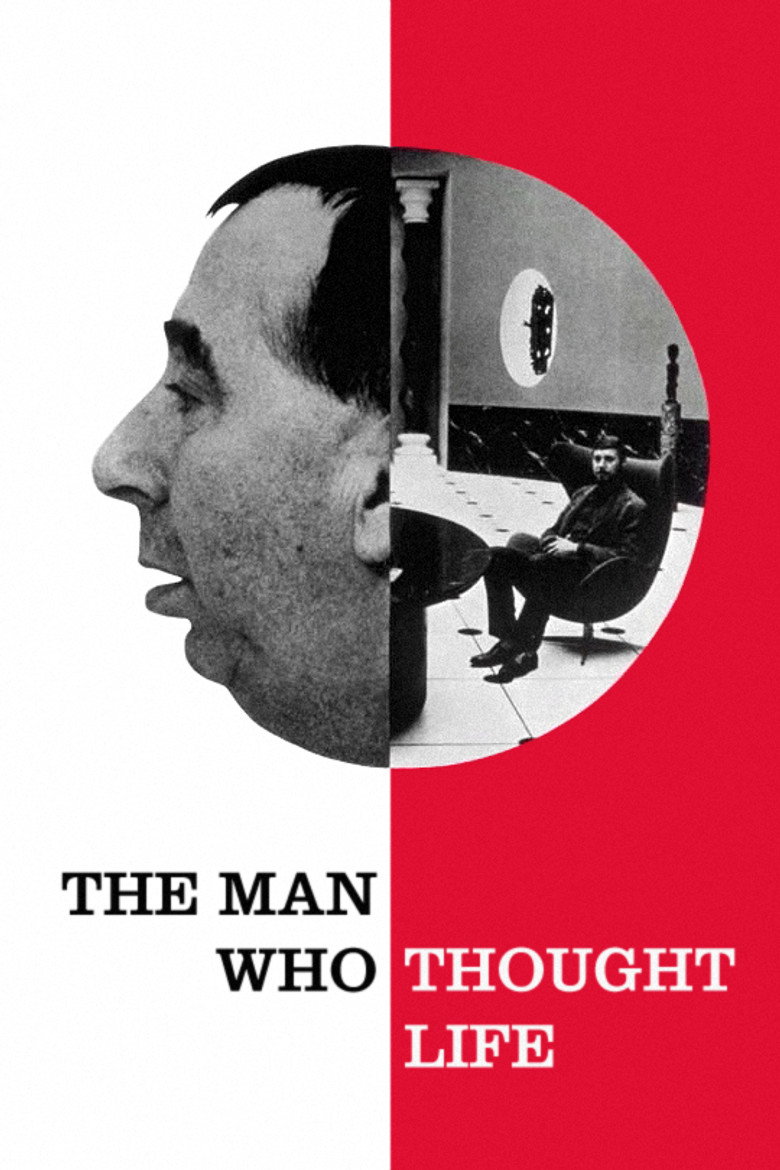
1969
Director
Jens Ravn
Runtime
93 minutes
Average Rating
No ratings yetSynopsis
The mysterious Mr. Steinmetz has acquired the ability to create things and beings by will alone. Only, after a while his creations invariably disappear. He therefore approaches a famous brain surgeon, Max Holst, who he hopes can help him with this problem. When Max refuses, Steinmetz brings his doppelgänger into being to replace him.
Overall Score
Limited
Category Breakdown
LGBTQ+ Representation
The story centers on a male protagonist and his interactions with another man. While the doppelgänger concept explores identity, there is no explicit queer subtext or non-cisnormative representation.
Gender Representation
The plot is driven by a conflict between two male figures. It reinforces traditional masculine hierarchies of power and intellect without showing female agency or subverting gendered roles.
Racial & Ethnic Diversity
The narrative lacks indication of a diverse cast or non-Anglo-Saxon characters. The setting and names suggest a conventional Western European framework with little ethnic blending.
Religious & Cultural Diversity
The film explores morality and the limits of human will through science. However, it lacks systemic critiques, focusing instead on an individualistic struggle rather than cultural deconstruction.
Disability Representation
There is no mention of characters navigating physical, sensory, or neurodivergent experiences within the provided narrative.
Strengths
Areas for Improvement
AI Analysis
The film adheres to mid-century genre tropes, focusing on individualistic psychological conflict and professional authority. The narrative architecture relies on traditional masculine archetypes and Western European frameworks. Because the story centers on a creator and a surgeon, it lacks intersectional complexity. The absence of diverse casting or systemic critiques results in a low diversity profile. Ultimately, the work functions as a conventional science fiction piece that prioritizes personal power struggles over social or cultural representation.
1959
1936
1957
1985
1940
1963
1990
1969
1978
1944
1941
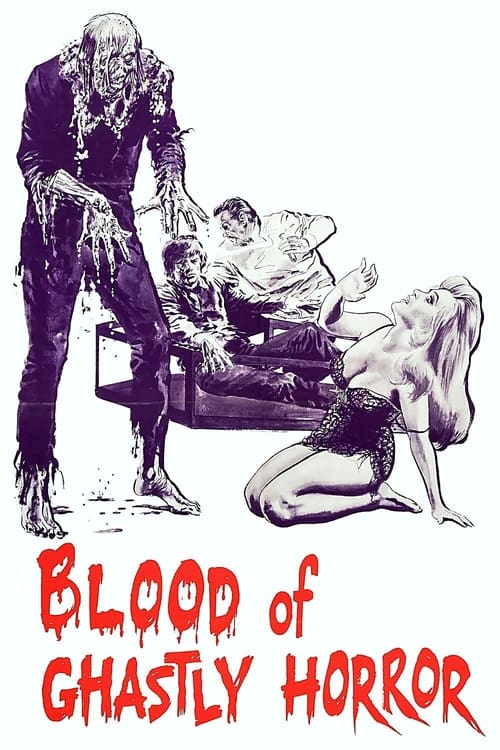
1967
No reviews yet. Be the first to share your thoughts on this movie!
Use the rating form above to leave a star rating and optional review.