
Home from the Sea
1972
No user ratings available yet
Representation score: 3.5 out of 10
Representation Score
Minimal
1974
Director
Peter Hall
Runtime
98 minutes
Average Rating
No ratings yetNew Showbiz Analysis
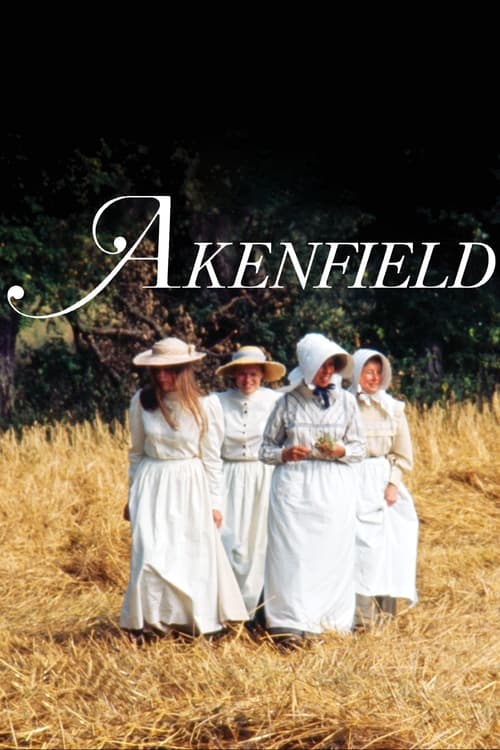
Akenfield is a traditional period drama that prioritizes historical authenticity over modern social dynamics. By focusing on the rigid social and domestic structures of the 1850s, the film maintains a high degree of realism regarding the era's demographic and gender hierarchies. The narrative emphasizes the stability of religious and class structures. While it critiques the rigidity of the class system, it does so through a lens of historical realism rather than progressive subversion. Ultimately, the film's commitment to portraying a specific, homogeneous historical context results in a lack of diverse representation by contemporary standards.
Category Breakdown
The film adheres to the assumptions of its 19th-century setting, where everyone is expected to be straight and cisgender. There is no depiction of same-sex relationships or non-binary gender identities.
Women are primarily shown in domestic settings or specific labor roles. The film highlights the social stratification of the time without challenging the traditional male leadership or giving women much control over their own lives.
The cast is mostly white and uniform, reflecting the historical makeup of a rural English village. The film stays true to the historical context without incorporating modern approaches to diversity.
Religious institutions are portrayed as key stabilizers of the social order. The film focuses on class tensions and the influence of traditional community structures.
There is no significant portrayal of visible or invisible disabilities. The narrative centers on socioeconomic and class-based conflicts.
Present on Screen
Limited or Absent
Official Synopsis
As a young man, Tom, prepares to leave the Suffolk village of his birth, voices and experiences from his family's past crowd in on his mind, weaving a poetic tapestry of the love of home and the longing to get away from it.
1972

1988

1975

2014

1964

1988

1988

2015
No reviews yet. Be the first to share your thoughts on this movie!
Use the rating form above to leave a star rating and optional review.