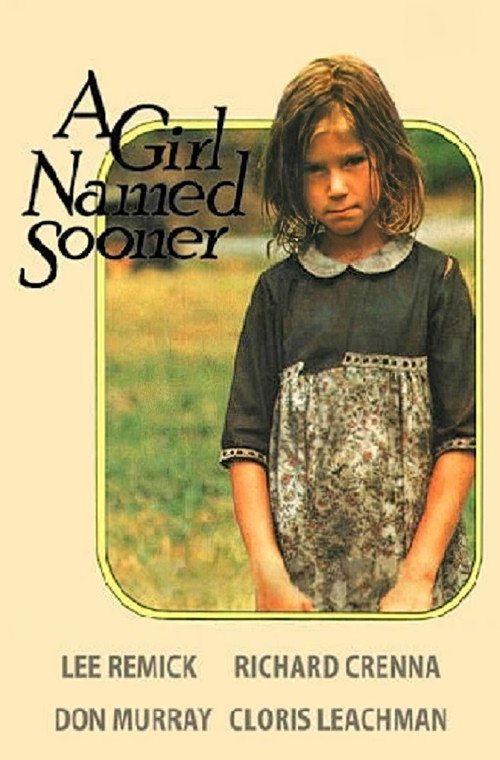
A Girl Named Sooner
1975
No user ratings available yet
Representation score: 1.1 out of 10
Representation Score
Minimal
1976
PGDirector
Delbert Mann
Runtime
104 minutes
Average Rating
No ratings yetNew Showbiz Analysis
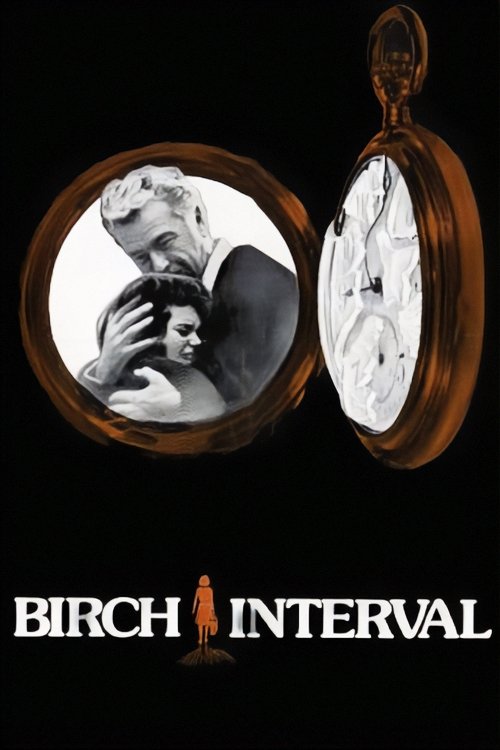
Birch Interval is a character-driven drama focused on the psychological transition of a young girl entering an Amish community. The film primarily explores the clash between post-war modern sensibilities and insular, faith-based traditions. While the film offers a nuanced examination of cultural friction and the tension between personal identity and communal traditions, its scope is limited to a specific, homogeneous group. This narrows its broader social impact. Ultimately, the film challenges typical post-war American expectations through its portrayal of radical communalism, but it does not delve into broader themes such as race, sexual orientation, or diverse gender roles.
Category Breakdown
The film does not include any LGBTQ+ characters or stories. Instead, it focuses on traditional family and community structures within an Amish setting.
A female protagonist provides insight into the experience of displacement. However, the film likely explores the limitations of traditional gender roles and hierarchies.
The story does not feature a multi-ethnic cast, concentrating instead on a homogeneous religious community. It prioritizes internal cultural adjustments over issues related to race and ethnicity.
The film studies cultural relativism and religious isolationism. It examines the conflict between modern secular norms and traditional social orders.
There are no characters with physical or neurodivergent disabilities in this production.
Present on Screen
Limited or Absent
Official Synopsis
A young girl is sent to live with Amish relatives in post-war Pennsylvania, where her life dramatically changes.
1975

2017
1991
1967
1994

1985

2007

1993
No reviews yet. Be the first to share your thoughts on this movie!
Use the rating form above to leave a star rating and optional review.