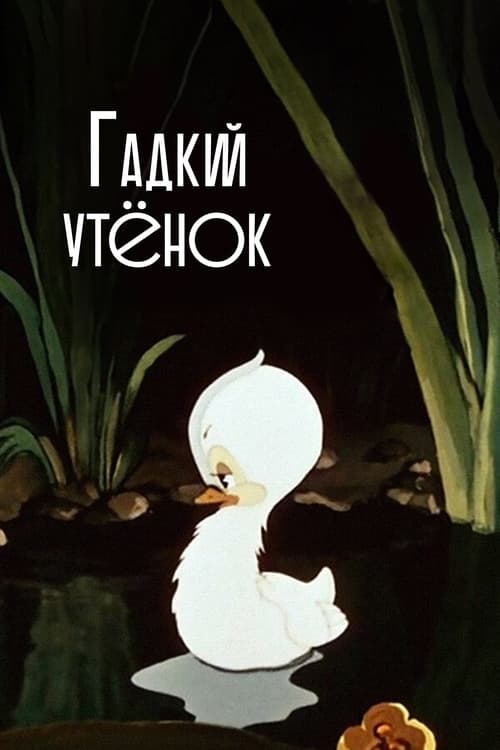
The Ugly Duckling
1956
No user ratings available yet
Representation score: 4.9 out of 10
Representation Score
Fair
1948
Director
Leonid Amalrik, Vladimir Polkovnikov
Runtime
20 minutes
Average Rating
No ratings yetNew Showbiz Analysis
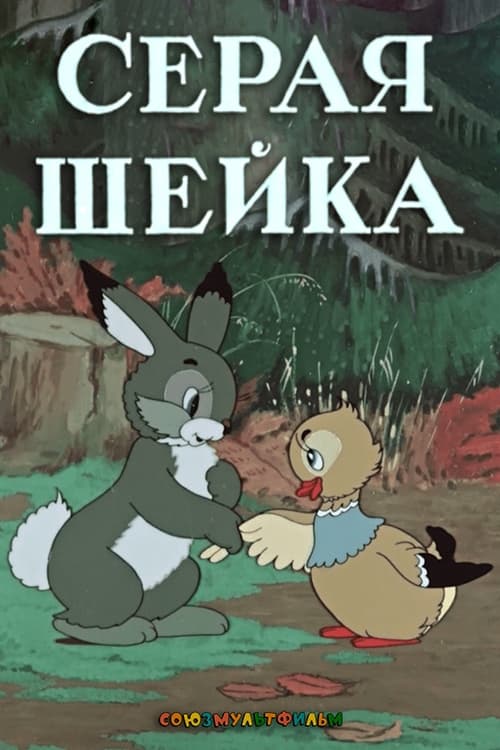
Little Gray Neck is a mid-century Soviet animated fable that prioritizes communal loyalty over individualistic triumph. Its strength lies in its allegorical critique of predatory power structures and its emphasis on social cohesion. However, the film's reliance on animal archetypes limits its ability to represent modern multi-layered identities. The lack of human characters results in low scores for racial and LGBTQ+ representation. Ultimately, the work offers a progressive reading of social architecture through its collectivist themes, even if it lacks explicit depictions of specific underrepresented groups.
Category Breakdown
The film does not include explicit LGBTQ+ characters or explore non-straight identities. It uses animal archetypes that adhere to traditional biological roles.
The story centers on a duckling's survival and defense of a friend. While it challenges hierarchies based on strength, it does not specifically address gendered power dynamics.
The use of anthropomorphic animals avoids human ethnic archetypes. As a mid-century Soviet work, it serves as a social allegory rather than a detailed examination of racial diversity.
The film emphasizes collectivist values by prioritizing social bonds over self-preservation. The fox symbolizes oppressive forces, challenging traditional power structures.
The protagonist's vulnerability is used as a metaphor for navigating systemic disadvantages. However, there is no explicit exploration of neurodivergence or specific disability ability to act.
Present on Screen
Limited or Absent
Official Synopsis
Defending a friend, duckling is attacked by fox and must learn to survive.
1956

2017

1962
1968
1957
1990
1950
1967
No reviews yet. Be the first to share your thoughts on this movie!
Use the rating form above to leave a star rating and optional review.