
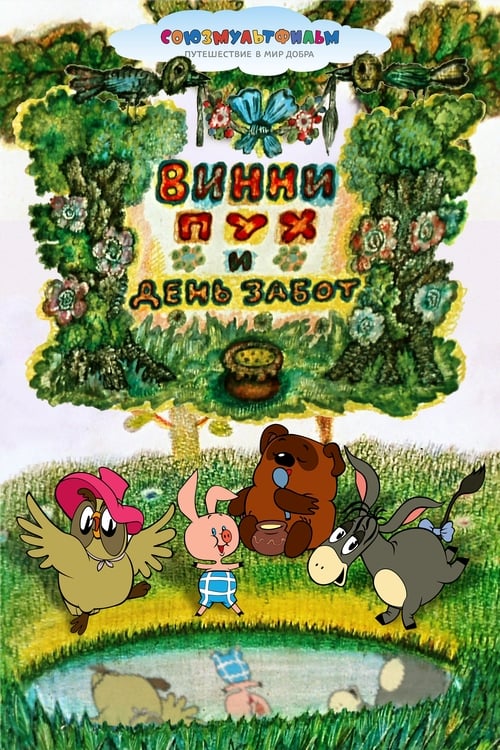
Winnie the Pooh and a Day for Eeyore
1983
No user ratings available yet
Representation score: 2.2 out of 10
Representation Score
Fair
1972
Director
Fyodor Khitruk, Gennadiy Sokolskiy
Runtime
20 minutes
Average Rating
No ratings yetNew Showbiz Analysis
This Soviet animation gently disrupts typical narrative structures. By focusing on a decentralized social structure, it avoids the individualistic 'hero’s journey' clichés common in Western media. It emphasizes communal existence and emotional connections over power dynamics. The film respectfully highlights character differences, such as Eeyore's condition. However, it lacks explicit representation of LGBTQ+ identities or human diversity.
Category Breakdown
The film features a group of anthropomorphic animals in a platonic relationship. There are no depictions of romantic relationships or non-straight gender identities.
The story avoids traditional male authority or dominant leadership roles. Instead, characters like Pooh and Piglet interact in a non-hierarchical, friendly manner.
Since the film uses animal characters, it doesn't depict human racial or ethnic categories. It avoids traditional Anglo-centric casting types.
The story steers clear of Western consumerist goals. Characters prioritize play and social interactions over material success.
Eeyore’s missing tail is a key part of his identity. The film treats his sadness with respect, avoiding ridicule.
Present on Screen
Limited or Absent
Official Synopsis
Another Soviet Winnie-the-Pooh story. This time the donkey, known from the Pooh stories as Eeyore, is sad because he has no tail. Pooh goes in search of one and finds it attached to a bell that hangs from the treehouse of one Owl.
1983

2017
1974
1966
1956
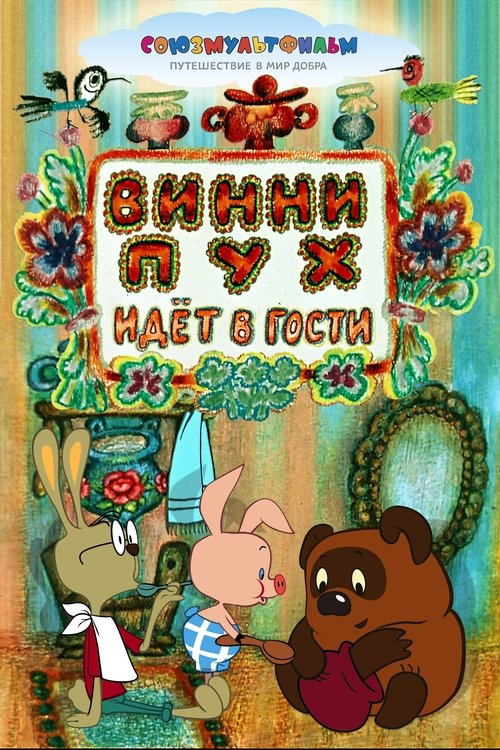
1971
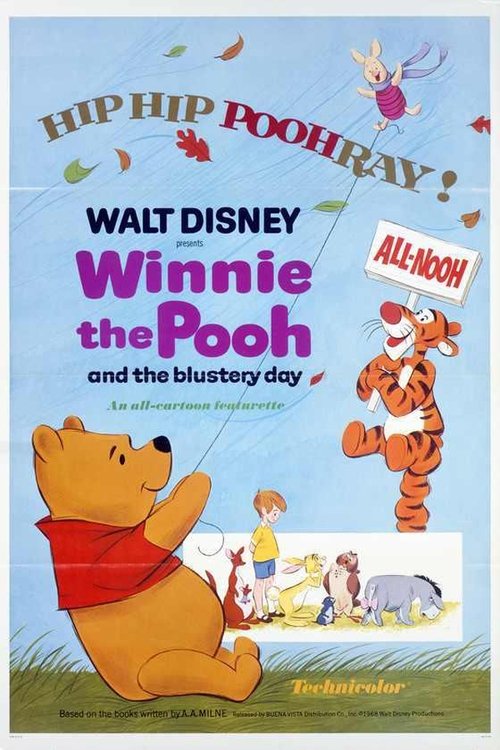
1968
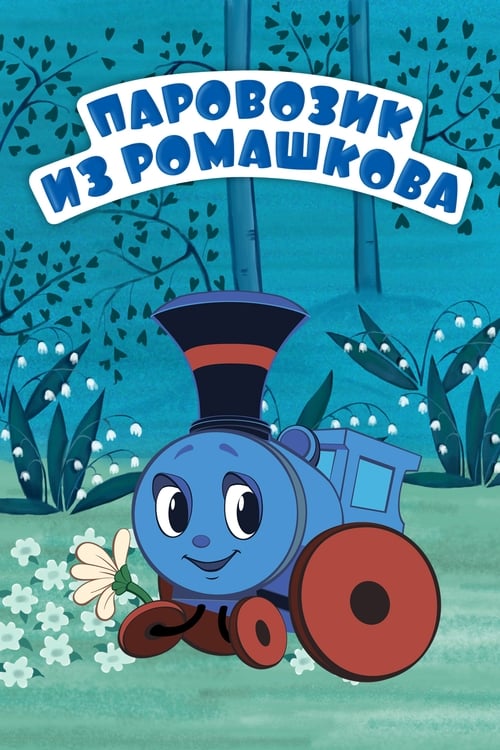
1967
No reviews yet. Be the first to share your thoughts on this movie!
Use the rating form above to leave a star rating and optional review.