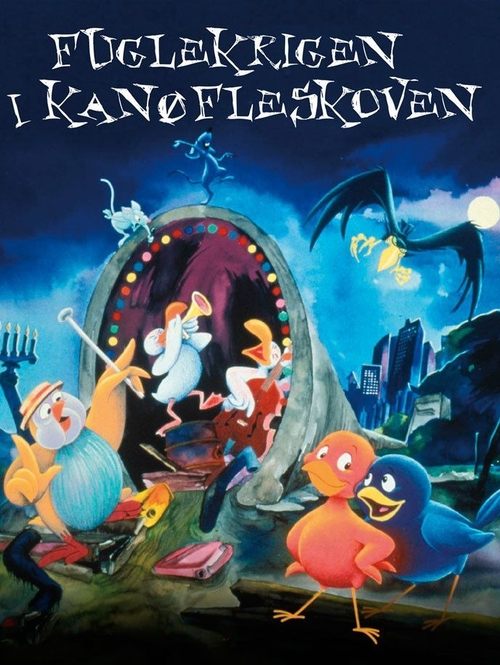
War of the Birds
1990
No user ratings available yet
Representation score: 5.3 out of 10
Representation Score
Fair
1998
GDirector
Enzo D'Alò
Runtime
76 minutes
Average Rating
No ratings yetNew Showbiz Analysis
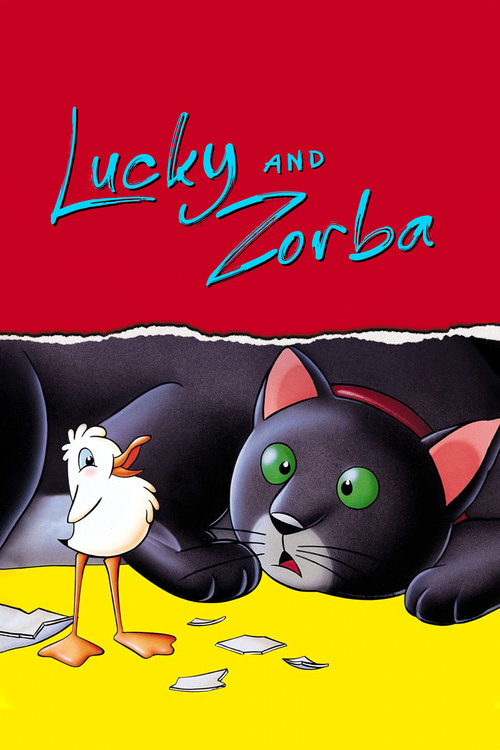
Lucky and Zorba gently subverts natural hierarchies by shifting the focus from predator-prey instincts to a moral social contract. The film disrupts the 'survival of the fittest' cliché by emphasizing empathy and cooperation. It places the ability to act of a vulnerable protagonist at the center of the narrative, requiring the dominant character to adopt a supportive role. The narrative structure effectively explores themes of empathy and coexistence while providing subtle environmental commentary.
Category Breakdown
The film focuses on an interspecies bond and does not include any explicit LGBTQ+ characters or non-straight relationships. It avoids human social structures and instead emphasizes the relationship between different species.
The story centers around the female seagull, who takes a leading role in driving the plot. She challenges traditional gender roles by dictating the narrative and forcing the male cat into a nurturing, subordinate position.
As an animated feature with anthropomorphized animals, the film avoids human racial stereotypes. Instead, it blends different species to promote coexistence and understanding across biological differences.
The narrative frames the cat's decision to honor promises as a moral triumph, promoting situational ethics. Additionally, it includes an environmental critique, highlighting the negative impacts of industrial capitalism on nature.
The film does not provide sufficient information about neurodivergence or physical disabilities. The only relevant condition mentioned is the seagull's temporary physical injury.
Present on Screen
Limited or Absent
Official Synopsis
A seagull is caught by the black tide of a sinking petrol ship. She manages to fly inland and falls down in a garden by a cat. Moribund, she asks the cat to fulfill three promises: that when she lays her egg he must not eat it; that he must take care of it until it hatches; that he would teach the newborn how to fly.
1990

2017
1989
2015
1988
1996
2018
2002
No reviews yet. Be the first to share your thoughts on this movie!
Use the rating form above to leave a star rating and optional review.