My Name Is Salt
2013
No user ratings available yet
Representation score: 4.3 out of 10
Representation Score
Limited
1997
Director
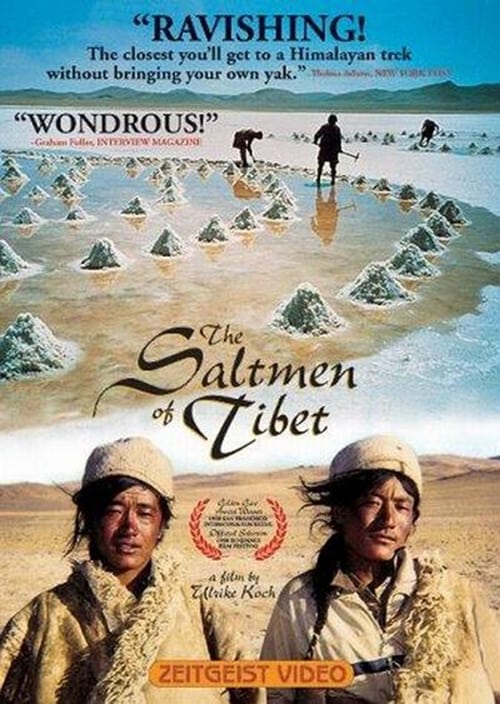
Ulrike Koch
Runtime
108 minutes
Average Rating
No ratings yetNew Showbiz Analysis
The film serves as a respectful ethnographic study that prioritizes authentic indigenous presence. Its primary strength lies in its commitment to portraying Tibetan culture through the lens of the people themselves, avoiding the including someone from a minority group without giving them real depth often found in Western-centric media. While the documentary succeeds in cultural authenticity, it does not engage with modern social issues or diverse identity narratives. The representation is strictly observational, focusing on the existing social and gendered structures of the nomadic tribe. Ultimately, the work provides a meaningful counter-narrative by centering a subsistence-based economy and ancestral traditions, even if it lacks representation of LGBTQ+ identities or disability-focused narratives.
Category Breakdown
The documentary focuses on the communal labor and ritualistic pilgrimage of a specific nomadic group. There is no evidence of LGBTQ+ narratives or non-binary gender identities within the observed social structure.
The film depicts traditional gender roles associated with salt mining. It offers a nuanced view of how these roles contribute to the tribe's survival without challenging traditional hierarchies.
The film provides authentic and actively leading representation of an indigenous Tibetan population. It avoids Western-centric perspectives and the pitfalls of whitewashing by centering Tibetan people and their specific practices.
The narrative highlights the tension between traditional customs and the modern world. It emphasizes the importance of indigenous spirituality and ritualistic pilgrimage in preserving communal identity and cultural heritage.
There are no specific depictions of visible or invisible disabilities that serve as central plot points or character arcs within the observed community.
Present on Screen
Limited or Absent
Official Synopsis
Four men from a nomadic Tibetan tribe undertake their annual, ritualistic pilgrimage to a sacred salt lake. Salt gathered in this traditional fashion will be sold to provide the economic livelihood of the tribe for the coming year. The journey, necessary for the group's survival, also incorporates a number of rituals necessary for their culture to survive in the modern world.
2013

2004

2013

2010

1989

2016

2013

2000
No reviews yet. Be the first to share your thoughts on this movie!
Use the rating form above to leave a star rating and optional review.